ANDA Process: Legal Requirements for Generic Drug Approval
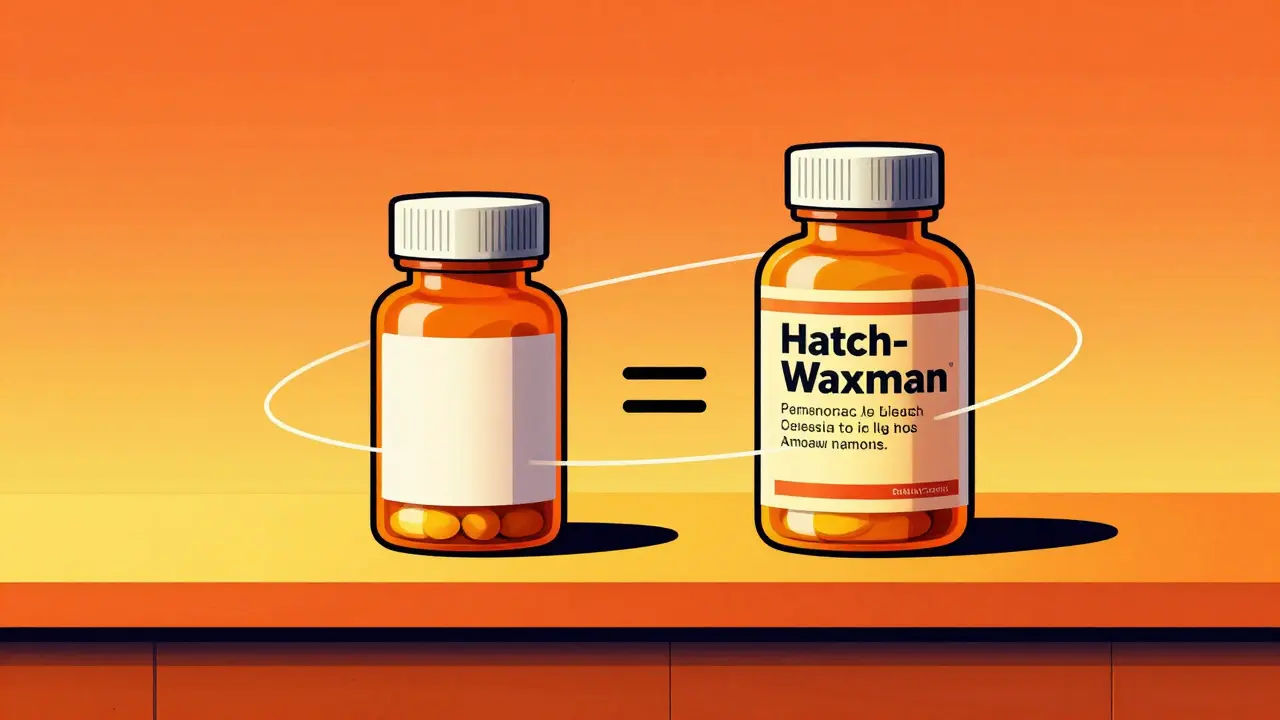
Imagine you have a prescription for a life-saving medication that costs hundreds of dollars a month. Now imagine a version of that exact same medicine available for just a fraction of the price. This isn't magic; it is the result of a specific legal and regulatory pathway known as the Abbreviated New Drug Application (ANDA), which allows generic manufacturers to bring safe, effective copies of brand-name drugs to market without repeating expensive clinical trials. For anyone in the pharmaceutical industry, understanding the ANDA process is not just about compliance-it is about unlocking access to a massive market while navigating complex patent laws.
The journey begins with the Hatch-Waxman Act (Drug Price Competition and Patent Term Restoration Act of 1984). Signed into law by President Ronald Reagan in September 1984, this legislation created the balance we see today. It gave innovator companies patent protection to recoup their research investments while allowing generic companies to enter the market once those patents expired or were challenged. The goal was simple: lower drug prices for consumers while maintaining high safety standards. Today, generic drugs account for over 90% of prescriptions filled in the United States, saving consumers billions of dollars annually.
Core Legal and Scientific Requirements
To get approval, a generic manufacturer must prove their product is therapeutically equivalent to the original brand-name drug, officially called the Reference Listed Drug (RLD). You do not need to run new clinical trials on humans to prove safety and efficacy because the FDA has already done that for the RLD. Instead, you must demonstrate bioequivalence. This means your generic drug must deliver the same amount of active ingredient into the patient's bloodstream at the same rate as the brand-name version.
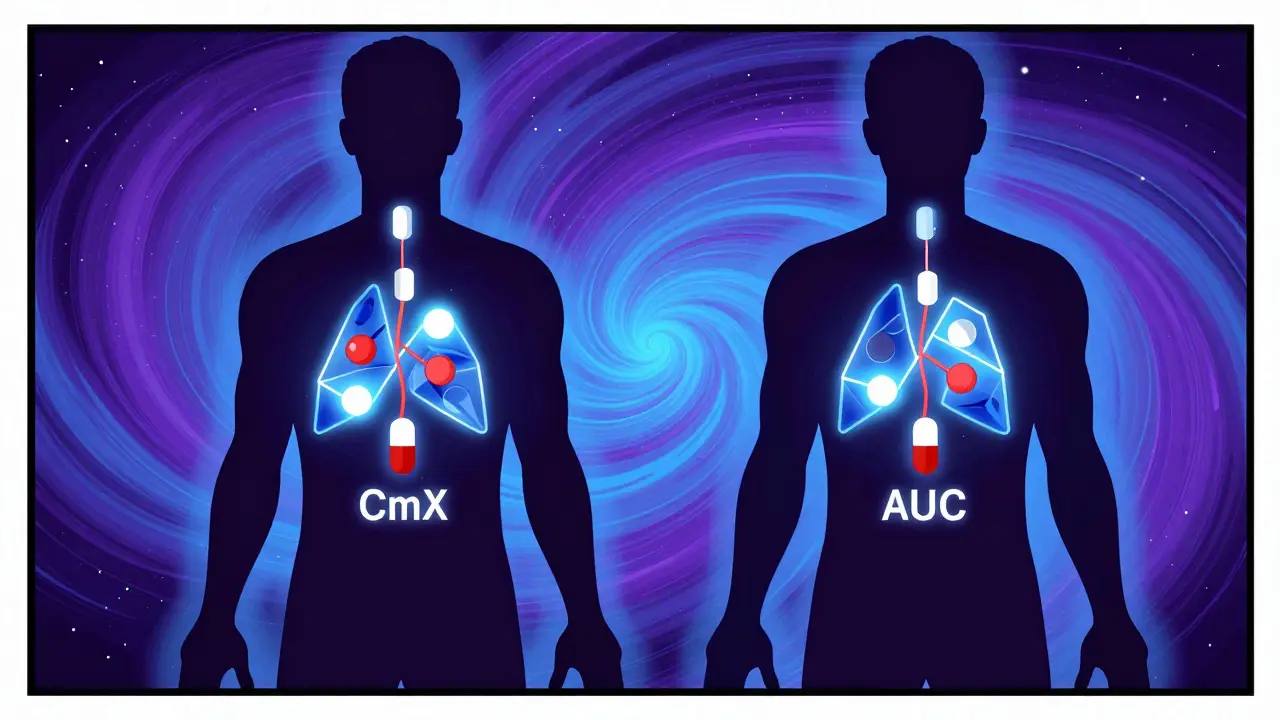
The scientific bar is precise. Pharmacokinetic studies must show that the 90% confidence intervals for key metrics like Cmax (maximum concentration) and AUC (area under the curve) fall within 80-125% of the RLD. Beyond the science, there are strict legal documentation requirements. Your submission must include comprehensive Chemistry, Manufacturing, and Controls (CMC) data. This covers everything from how you make the drug to how you test it for quality. You must also submit the application in Electronic Common Technical Document (eCTD) format, along with Form FDA-356h and the user fee cover sheet. Missing even one small piece of this puzzle can lead to a "Refuse-to-Receive" decision, sending you back to square one.
Navigating Patents and Exclusivity
The most legally complex part of the ANDA process involves patents. Before you can submit an ANDA, you must check the FDA's Orange Book, which lists all approved drugs and their associated patents. Depending on what you find, you must file one of four patent certifications:
- Paragraph I: No patent information exists for the RLD.
- Paragraph II: Patents exist but have already expired.
- Paragraph III: Patents exist and will expire on a specific future date. You agree not to launch until that date.
- Paragraph IV: You believe the patent is invalid or will not be infringed by your generic product.
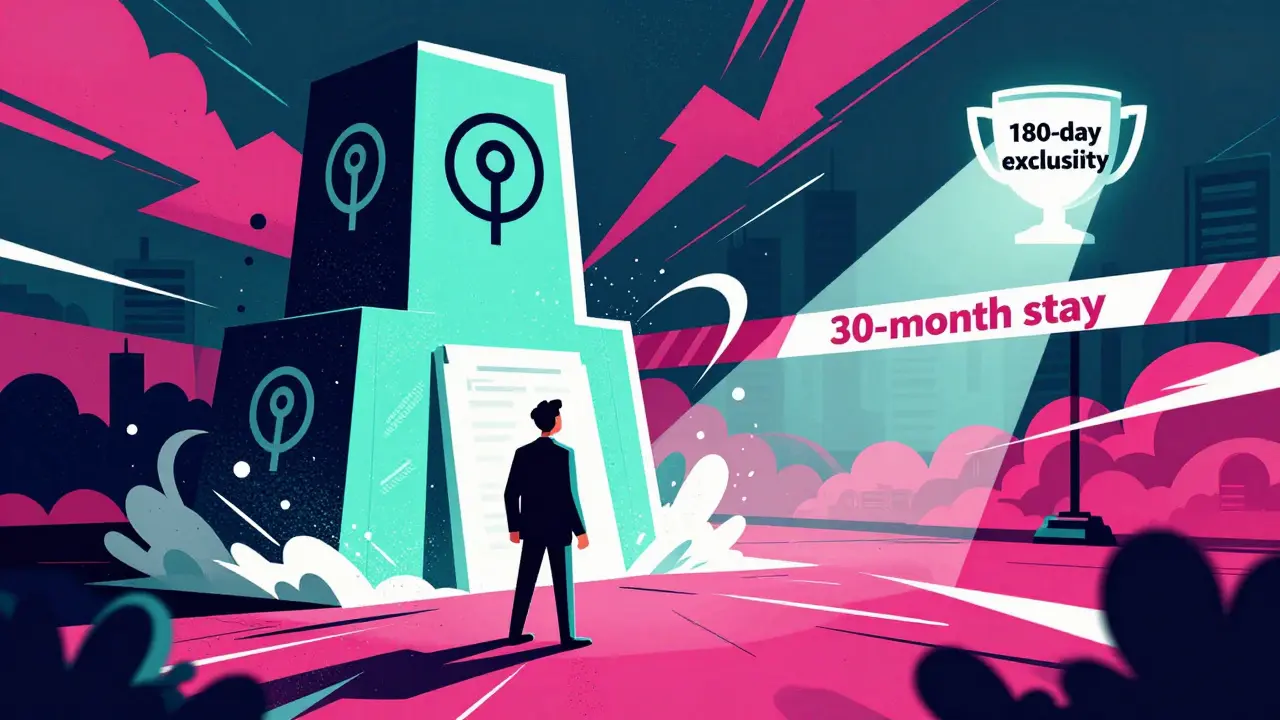
Filing a Paragraph IV certification is a bold move. It triggers a 30-month stay on FDA approval while the brand-name company sues you for patent infringement. This is often called the "patent dance." If you win, or if the patent expires before the litigation ends, you can launch. The first generic company to successfully challenge a patent gets 180 days of market exclusivity-a huge financial incentive that drives much of the competition in the generic space.
| Feature | ANDA (Generic) | NDA (Brand Name) | 505(b)(2) |
|---|---|---|---|
| Development Cost | $5-$10 million | ~$2.3 billion | $50-$100 million |
| Time to Market | 3-5 years | 10-15 years | 7-9 years |
| Clinical Trials | Bioequivalence only | Full Phase I-III | Limited/New indications |
| Primary Goal | Copy existing drug | New chemical entity | Modify existing drug |
Financial Realities and Fees
While cheaper than developing a new drug, the ANDA process is not free. Under the Generic Drug User Fee Amendments (GDUFA), manufacturers pay significant fees to the FDA. As of fiscal year 2024, the application fee for an original ANDA is $129,500. There are also establishment fees and annual program fees. These costs ensure the FDA has the resources to review applications quickly. GDUFA III, the current cycle running through 2027, sets strict performance goals: the FDA aims to approve 90% of standard ANDAs within 10 months. Hitting these timelines requires a "clean" application with no major deficiencies. If your application is rejected due to poor quality-like inadequate container closure validation data-you lose time and money, potentially delaying launch by years.
Common Pitfalls and How to Avoid Them
Many generic manufacturers stumble at the start. One common mistake is underestimating the complexity of CMC documentation. The FDA rejects many applications simply because the manufacturing processes aren't described clearly enough. Another trap is choosing the wrong Reference Listed Drug. With thousands of approved drugs, picking an RLD with too many active patents can kill your project before it starts. Always conduct a thorough patent landscape analysis early on.
For complex generics-like inhalers, topical creams, or ophthalmic suspensions-the bioequivalence studies are harder to design. These products don't always behave predictably in the body. In these cases, engaging with the FDA through pre-ANDA meetings is crucial. These meetings allow you to discuss your study design before you spend millions on testing. According to industry data, nearly 60% of first-cycle reviews result in deficiency letters. Proactive communication can help you avoid these costly delays.
The Future of Generic Approval
The landscape is shifting. The FDA is focusing more on complex generics, where fewer competitors mean higher prices. Initiatives like the Drug Competition Action Plan aim to speed up approvals for these difficult products. Additionally, legislative efforts like the CREATES Act are trying to stop brand companies from blocking generic access by refusing to supply samples needed for testing. As AI tools begin to assist in document review, the timeline for approval may shorten further. However, the core requirement remains unchanged: you must prove your generic is identical in every way that matters to the patient.
What is the main difference between an ANDA and an NDA?
An NDA (New Drug Application) is for brand-new drugs and requires extensive clinical trials to prove safety and efficacy, costing billions and taking over a decade. An ANDA (Abbreviated New Drug Application) is for generic versions of existing drugs. It relies on the FDA's previous findings for the brand-name drug and only requires proof of bioequivalence, making it faster and significantly cheaper.
How long does the ANDA approval process take?
Under GDUFA III targets, the FDA aims to approve 90% of standard ANDAs within 10 months. However, real-world timelines can vary. Complex generics or applications with deficiencies may take 12-18 months or longer. If a Paragraph IV patent certification is filed, a 30-month stay may delay approval during litigation.
What are the costs associated with filing an ANDA?
The direct FDA user fee for an original ANDA submission is approximately $129,500 (as of FY2024). However, total development costs including bioequivalence studies, manufacturing setup, and regulatory consulting typically range from $5 million to $10 million per product.
What is bioequivalence?
Bioequivalence is the demonstration that a generic drug delivers the same amount of active ingredient into the patient's bloodstream at the same rate as the reference brand-name drug. Studies must show that pharmacokinetic parameters (Cmax and AUC) fall within an 80-125% confidence interval compared to the brand.
Why is the Hatch-Waxman Act important?
The Hatch-Waxman Act of 1984 created the legal framework for generic drug approval. It balanced the interests of brand-name companies (by extending patent terms) and generic companies (by allowing abbreviated approval pathways), leading to increased competition and significantly lower drug prices for consumers.