Antibiotics: Most Common Types and Their Side Effects Explained
What antibiotics actually do
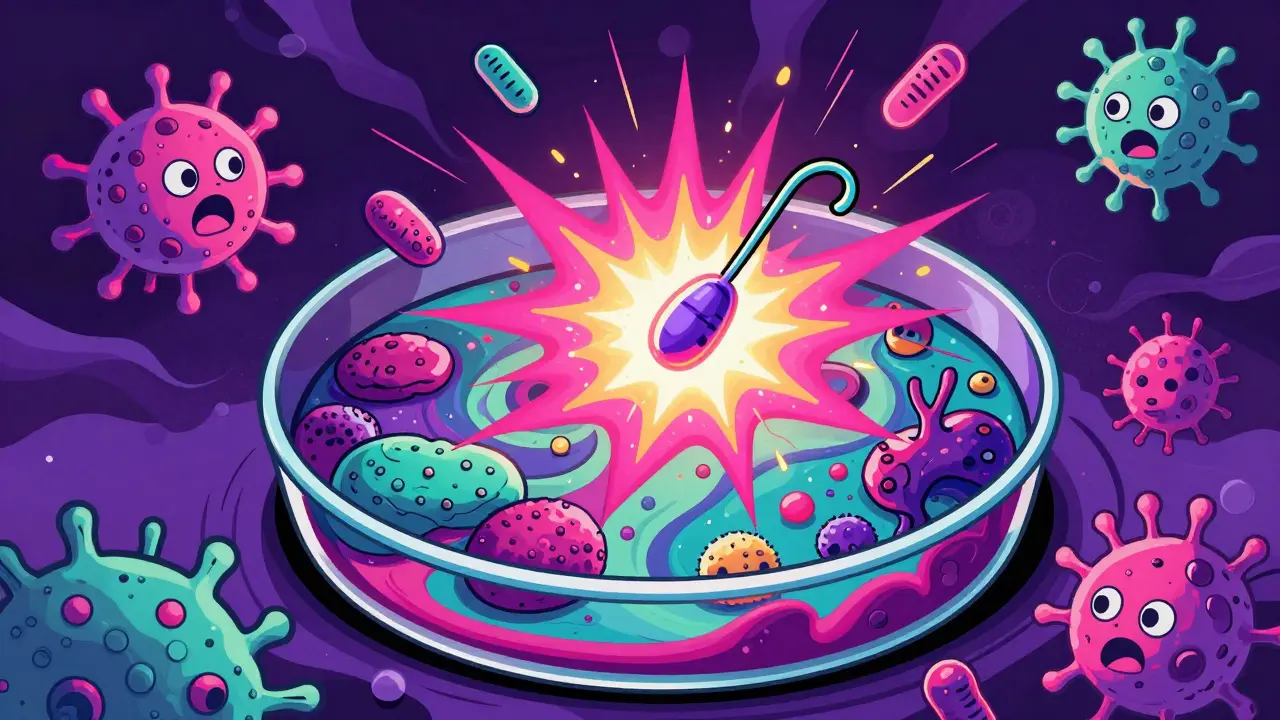
Antibiotics don’t treat colds, flu, or most sore throats. They only work on bacterial infections. That’s it. They kill bacteria or stop them from multiplying. The first one, penicillin, was found in 1928 by Alexander Fleming in London when he noticed mold killing bacteria in a petri dish. That discovery changed medicine forever. Since then, antibiotics have saved an estimated 200 million lives, according to the World Health Organization.
Today, they’re still essential. Without them, simple infections like pneumonia or a cut that gets infected could turn deadly. Proper use can drop pneumonia death rates from 30% to under 5%. But misuse is making them less effective. Every year, over 1.2 million people die globally because bacteria no longer respond to antibiotics. That’s why doctors are now more careful than ever about when and how they prescribe them.
The seven main types of antibiotics
There are dozens of antibiotics, but they fall into seven main groups. Each works differently, and each is used for specific infections. Here’s what you’re most likely to be prescribed.
Penicillins
These are the oldest and still the most common. Amoxicillin is the top-prescribed antibiotic in the U.S., making up nearly 18% of all antibiotic scripts. It’s used for ear infections, sinus infections, strep throat, and urinary tract infections. Other penicillins include ampicillin, penicillin V, and dicloxacillin.
They work by breaking down the outer shell of bacteria. Think of it like popping a balloon - the bacteria burst and die. But about 10% of people think they’re allergic to penicillin. Studies now show 90% of those people aren’t actually allergic. Skin tests can confirm this. If you’ve been told you’re allergic, it’s worth getting checked - you might be able to use a safer, more effective drug.
Cephalosporins
If you can’t take penicillin, you’re often given a cephalosporin. Cephalexin is the most common one. Others include ceftriaxone and cefuroxime. They’re used for skin infections, pneumonia, and even some sexually transmitted infections like gonorrhea.
They’re similar to penicillins in how they work, but the chance of cross-reactivity is low - only 1 to 3% of people allergic to penicillin react to cephalosporins. That’s why they’re a go-to alternative. Side effects are usually mild: nausea, diarrhea, or a rash. Serious reactions like Stevens-Johnson syndrome are rare - less than 1 in 10,000 cases.
Tetracyclines
Doxycycline is the star here. It’s used for acne, Lyme disease, tick-borne illnesses, and some types of pneumonia. It’s also used as a malaria prevention drug in travelers.
It works by blocking bacteria from making proteins they need to survive. But it has two big warnings. First, it makes your skin super sensitive to sunlight. You can get a bad sunburn even on a cloudy day. Second, it can permanently stain teeth in kids under 8. That’s why it’s never given to young children or pregnant women.
Macrolides
Azithromycin is the most common macrolide. It’s often called a “Z-Pak” - a five-day course you take all at once. It’s used for bronchitis, pneumonia, strep throat, and chlamydia.
It stops bacteria from building proteins, similar to tetracyclines. But it’s easier on the stomach than penicillin for some people. The main side effects? Upset stomach, diarrhea, and, rarely, heart rhythm changes. A 2022 study of a million patients found azithromycin increased the risk of dangerous heart rhythms by over 2 times. That’s why it’s avoided in people with existing heart conditions.
Fluoroquinolones
Ciprofloxacin and levofloxacin fall here. They’re powerful and used for serious infections like kidney infections, anthrax exposure, or complicated UTIs. But they come with serious risks.
The FDA issued a black box warning in 2016 because these drugs can cause permanent damage. Tendon ruptures - especially in the Achilles - happen in up to 0.4% of users. Nerve damage (peripheral neuropathy) can cause tingling, burning, or weakness that doesn’t go away. And a 2023 study found a 2.7 times higher risk of aortic aneurysm. Because of this, they’re now reserved for when nothing else works.
Sulfonamides
Trimethoprim-sulfamethoxazole (often called Bactrim or Septra) is the main one. It’s used for UTIs and to prevent pneumonia in people with weakened immune systems, like those with HIV.
It works by starving bacteria of folic acid - something they need to grow. But it can trigger severe skin reactions. Stevens-Johnson syndrome, though rare (1-6 cases per million), can be life-threatening. If you get a rash, fever, or blisters while taking it, stop immediately and get help.
Glycopeptides
Vancomycin is the big one here. It’s a last-resort antibiotic, used for MRSA - a dangerous type of staph that doesn’t respond to most drugs. It’s usually given in the hospital through an IV.
It attacks the bacterial cell wall like penicillin, but targets different parts. The catch? It’s hard on the kidneys and ears. Up to 30% of patients on long courses develop kidney damage. Rapid IV infusions can cause “red man syndrome” - flushing, itching, and low blood pressure. It’s preventable by slowing the drip rate.
Common side effects everyone should know
Most side effects aren’t dangerous, but they’re annoying - and they’re why so many people stop taking antibiotics too soon.
- Diarrhea: Happens in 5-20% of users. It’s usually mild, but sometimes it’s caused by C. diff, a dangerous bacteria that overgrows when normal gut bugs are wiped out. If you have watery diarrhea, fever, or stomach cramps after starting antibiotics, call your doctor.
- Nausea and stomach pain: Very common, especially with penicillins and macrolides. Taking them with food can help.
- Yeast infections: Especially in women. Antibiotics kill off good bacteria that keep yeast in check. Vaginal itching or discharge? Talk to your doctor - it’s easy to treat.
- Sun sensitivity: Only with tetracyclines. Wear sunscreen, cover up, avoid tanning beds.
- Allergic reactions: Rash, hives, swelling. Anaphylaxis - trouble breathing, throat tightness - is rare but life-threatening. If you’ve ever had a severe reaction, wear a medical alert bracelet.

Why you should never take antibiotics without a prescription
Antibiotics aren’t like painkillers. You can’t take them “just in case.” Every time you take one unnecessarily, you help bacteria become stronger. That’s antimicrobial resistance - and it’s getting worse.
MRSA resistance to vancomycin has tripled since 2010. In the U.S., 30% of outpatient antibiotic prescriptions have the wrong dose. 45% of prescriptions for bronchitis - which is usually viral - last longer than they should. That’s not just wasteful. It’s dangerous.
The WHO now classifies antibiotics into three groups: ACCESS (safe first choices), WATCH (use carefully), and RESERVE (only for emergencies). Amoxicillin is ACCESS. Vancomycin is RESERVE. Countries using this system have cut inappropriate use by 27%.
What you can do to protect yourself and others
- Take the full course: Even if you feel better in two days, finish all the pills. Stopping early lets the toughest bacteria survive and multiply.
- Don’t share antibiotics: What works for your friend might be wrong - or dangerous - for you.
- Ask if you really need it: If your doctor prescribes one, ask: “Is this bacterial? What happens if I don’t take it?”
- Get vaccinated: Flu and pneumococcal vaccines reduce the need for antibiotics by preventing infections that can turn bacterial.
- Report side effects: If you have a bad reaction, tell your doctor and report it to the FDA’s Adverse Event Reporting System. It helps track risks.
The future of antibiotics
Only two new classes of antibiotics have been developed since 2000. The pipeline is dry. Big pharmaceutical companies aren’t investing much because antibiotics aren’t as profitable as drugs for chronic conditions.
But there’s hope. The U.S. and UK launched a $1 billion fund (CARB-X) in 2023 to support new antibiotic research. Hospitals are now required to have antibiotic stewardship programs - teams that monitor prescriptions and cut down misuse. Since 2017, these programs have reduced inappropriate use by 35% in U.S. hospitals.
Still, experts warn we’re on the edge. The World Bank says if we don’t act, antimicrobial resistance could cost the global economy $1 trillion a year by 2050. We’re not just risking our own health - we’re risking the future of modern medicine.
When to call your doctor
Most side effects are mild. But call your doctor right away if you have:
- Severe diarrhea with blood or mucus
- Rash with blistering or peeling skin
- Swelling of the face, lips, or tongue
- Difficulty breathing
- Unexplained bruising or bleeding
- Sudden pain or swelling in a tendon (especially heel)
- Severe dizziness or fast heartbeat
Antibiotics saved lives in the 20th century. But they’re not magic. They’re tools. And like any tool, they work best when used wisely - and only when needed.
Sheila Garfield
January 31, 2026 AT 08:16Shawn Peck
January 31, 2026 AT 16:38Niamh Trihy
February 2, 2026 AT 03:22Yanaton Whittaker
February 3, 2026 AT 13:32Diana Dougan
February 4, 2026 AT 06:08Bobbi Van Riet
February 5, 2026 AT 11:27Holly Robin
February 6, 2026 AT 13:30Lily Steele
February 6, 2026 AT 21:57Amy Insalaco
February 8, 2026 AT 04:06Katie and Nathan Milburn
February 9, 2026 AT 18:40Beth Beltway
February 10, 2026 AT 16:29Marc Bains
February 11, 2026 AT 09:14kate jones
February 12, 2026 AT 15:01