Antihistamines and Alcohol: The Hidden Danger of Mixing Meds and Drinks
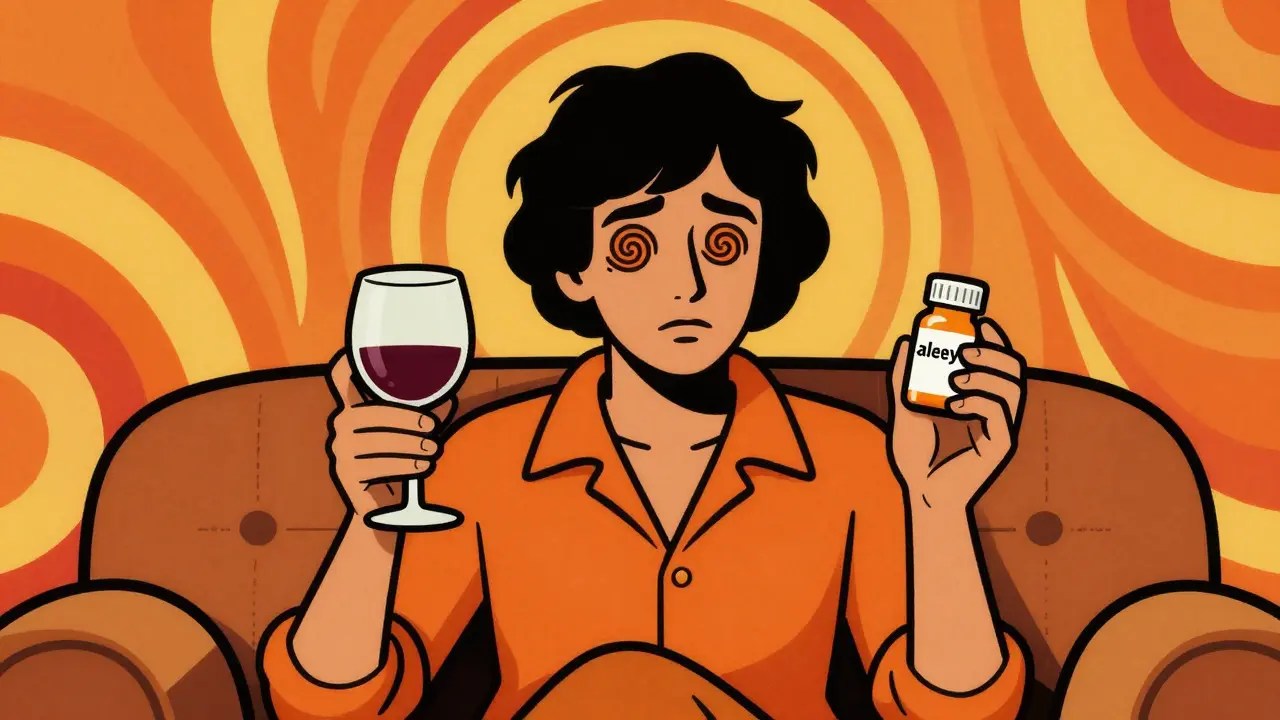
You grab a glass of wine to unwind after a long day, maybe popping an allergy pill because your eyes are itching. It seems harmless enough. But that simple combination is quietly turning into one of the most dangerous mix-ups in modern medicine. You aren't just getting twice as tired; you're risking severe impairment, accidents, and even life-threatening respiratory issues.
Millions of people treat antihistamines like candy-grabbing them from the shelf without a second thought. Yet, when mixed with alcohol, these drugs trigger a pharmacological reaction that can knock you out faster than either substance alone. This isn't about feeling a little sleepy. It's about a synergistic crash in your central nervous system that leaves you vulnerable to falls, car crashes, and overdose.
Why Your Brain Crashes When You Mix Them
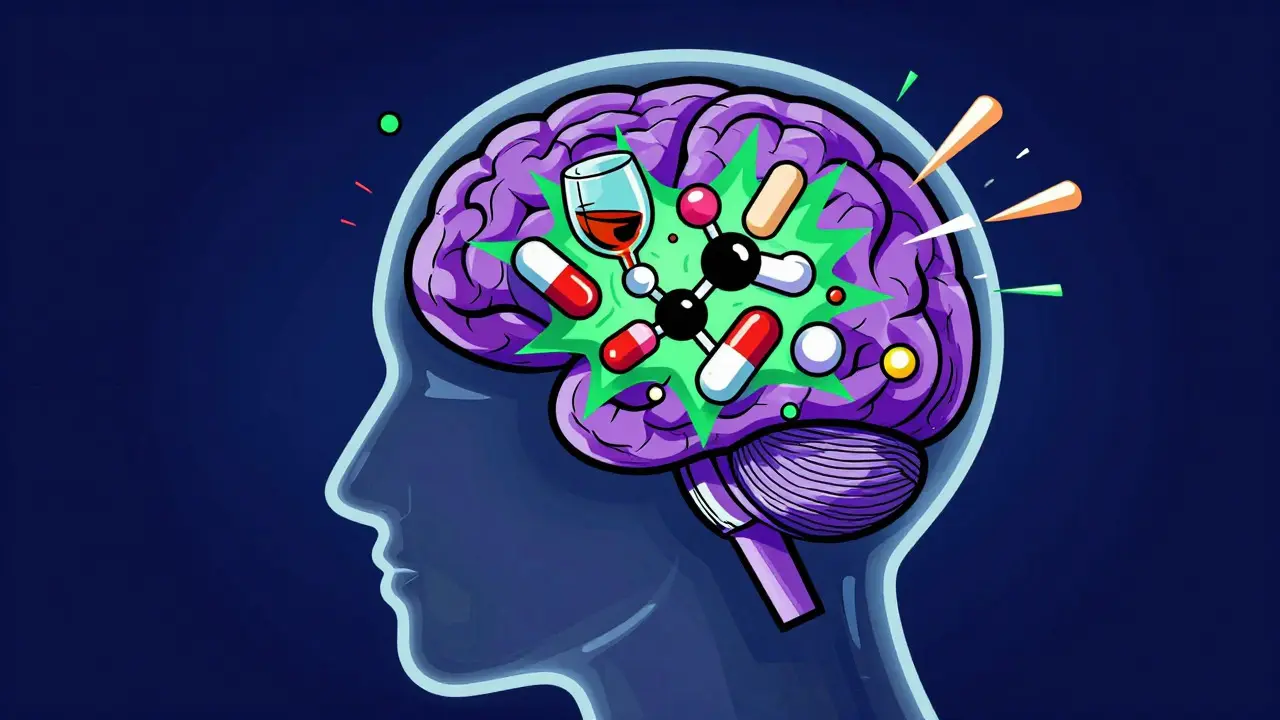
To understand why this mix is so risky, we have to look at what happens inside your head. Both alcohol and antihistamines act as depressants on your central nervous system (CNS), but they attack it from different angles.
Alcohol works by boosting gamma-aminobutyric acid (GABA), the chemical that slows down brain activity. At the same time, it blocks NMDA receptors, which usually keep your brain alert. Meanwhile, first-generation antihistamines like diphenhydramine (Benadryl) block histamine H1 receptors in the brain. Histamine is what keeps you awake. Block it, and you get sedated.
When you combine them, you don't just add their effects together; you multiply them. Clinical studies show that mixing diphenhydramine with alcohol reduces reaction times by 47% more than alcohol alone. According to the National Institute on Alcohol Abuse and Alcoholism (NIAAA), this synergy can enhance drowsiness side effects by up to 300%. You might feel fine for ten minutes, but then your brain simply shuts down its ability to process information quickly.
First vs. Second Generation: Not All Antihistamines Are Equal
Not all allergy meds hit you the same way. The generation of the drug matters immensely when alcohol enters the picture.
| Generation | Common Examples | Drowsiness Alone | Drowsiness With Alcohol | Blood-Brain Barrier Penetration |
|---|---|---|---|---|
| First-Generation | Diphenhydramine (Benadryl), Chlorpheniramine | ~50% | 50-60%+ (Severe) | High (Crosses easily) |
| Second-Generation | Loratadine (Claritin), Cetirizine (Zyrtec) | 10-15% | 30-45% (Moderate to High) | Low (Limited penetration) |
First-generation drugs like Benadryl were developed in the 1940s. They cross the blood-brain barrier readily, causing significant sedation in half of all users. When you drink alcohol with these, the risk skyrockets. Even moderate consumption-one or two standard drinks-can cause severe drowsiness in 50-60% of users.
Second-generation options like Claritin and Zyrtec were engineered later to stay out of the brain. Loratadine causes noticeable drowsiness in only 10-15% of users when taken alone. However, the myth that they are "safe" with alcohol is dangerous. When combined with alcohol, drowsiness rates for loratadine jump to 30-35%, and for cetirizine, they soar to 40-45%. The alcohol disrupts the delicate balance these newer drugs try to maintain.
The Liver Bottleneck: Why Effects Last Longer
Your liver is the traffic cop for chemicals in your body. It uses a system called cytochrome P450 enzymes to break down both alcohol and medications. Specifically, enzymes like CYP3A4 and CYP2D6 handle this job.
Here’s the problem: alcohol inhibits these enzymes. When you drink, your liver prioritizes breaking down the alcohol because it views it as a toxin. This means your antihistamine sits in your bloodstream longer than it should. Data shows that antihistamine concentrations remain elevated 25-40% longer when alcohol is present. This metabolic interference increases intoxication levels by 20-30% compared to drinking alone, significantly raising the risk of accidental overdose.
Real-World Consequences: Beyond Just Sleepiness
This isn't just about feeling groggy the next morning. The consequences are measurable and often tragic.
- Driving Impairment: Consuming 50mg of diphenhydramine (two Benadryl tablets) with three to four alcoholic drinks produces impairment equivalent to a blood alcohol concentration (BAC) of 0.12-0.15%. This is well above the legal driving limit of 0.08% in all 50 U.S. states. The CDC notes that 28% of traffic fatalities in 2021 involved drivers with measurable levels of both sedating medications and alcohol.
- Falls and Fractures: Older adults face a heightened danger. The FDA reports that individuals aged 65 and older experience 2.3 times greater CNS depression from this combination. A 2022 study in the Journal of the American Geriatrics Society linked this mix to a 75% increased risk of falls and hip fractures.
- Respiratory Depression: In severe cases, the combined depressant effect can slow breathing dangerously. The American Academy of Allergy, Asthma & Immunology (AAAAI) reported that 68% of emergency department visits related to this interaction involved first-generation antihistamines, with 42% requiring hospitalization due to severe respiratory issues.
User experiences back up these statistics. On Reddit’s r/Allergies community, 78% of users who mixed these substances reported "significantly worse drowsiness" than expected. Shockingly, 32% admitted to falling asleep while driving home. Reviews for Benadryl frequently mention phrases like "passed out unexpectedly" and "couldn't wake up," highlighting how unpredictable the onset of sedation can be.
Hidden Sources and Accidental Mixes
You might think you’re avoiding antihistamines, but they hide in plain sight. Diphenhydramine isn't just in allergy pills. It’s found in 72 different over-the-counter products, including sleep aids, cold and flu remedies, and motion sickness treatments. If you take a nighttime cold medicine and then have a beer, you’ve just created a high-risk cocktail.
Prescription antihistamines carry black box warnings about alcohol interactions, but OTC products often have smaller, less alarming labels that say "may cause drowsiness." This lack of clear warning contributes to the fact that 63% of antihistamine users regularly consume alcohol within 12 hours of taking their medication, despite only 28% being aware of the specific risks.
Safer Alternatives and Timing Strategies
If you must manage allergies and want to drink alcohol, you need a strategy. Medical professionals offer several guidelines to minimize risk.
- Wait It Out: Wait at least 12-16 hours after taking a first-generation antihistamine before consuming alcohol. For second-generation options, wait 8-12 hours. Remember, individual metabolism varies, so if you feel any lingering effects, wait longer.
- Switch Classes: Consider using nasal corticosteroids like Flonase or leukotriene inhibitors like Singulair. These medications have no known interactions with alcohol. However, they take 3-7 days to reach full effectiveness, so plan ahead.
- Avoid First-Gen at Night: If you are going to drink, avoid first-generation antihistamines entirely. Even small amounts can lead to profound sedation.
- Know Your Limits: If you use second-generation antihistamines, stick to one standard drink. Higher consumption drastically increases the risk of unexpected drowsiness.
Dr. Purvi Parikh, an allergist with the AAAAI, warns that the misconception that non-drowsy antihistamines are safe with alcohol is dangerous. While the risk is lower, it is certainly not eliminated, especially with higher alcohol consumption. No antihistamine can be considered completely safe to combine with alcohol.
Looking Ahead: Newer Options
Pharmaceutical companies are working on third-generation antihistamines like bilastine. Early European clinical trials show these drugs have virtually no CNS penetration, even when combined with alcohol. However, bilastine is not yet FDA-approved in the U.S., meaning current patients still rely on older generations with known risks. Until these newer options become widely available, caution remains the best policy.
Can I drive if I take Claritin and have one beer?
It is risky. While loratadine (Claritin) is less sedating than Benadryl, combining it with alcohol increases drowsiness rates to 30-35%. Reaction times can still be impaired. If you feel any dizziness or sluggishness, do not drive. Legal limits may not reflect your actual impairment level.
How long does diphenhydramine stay in your system with alcohol?
Alcohol inhibits the liver enzymes that break down diphenhydramine, keeping the drug in your bloodstream 25-40% longer than normal. This means the sedative effects last longer and intensify, increasing the window of danger for accidents or falls.
Are there any antihistamines safe to mix with alcohol?
No antihistamine is completely safe to mix with alcohol. However, second-generation antihistamines like fexofenadine (Allegra) generally have lower risks than first-generation ones. Nasal sprays like Flonase are a safer alternative as they do not interact with alcohol, but they require advance planning to work effectively.
Why do older adults face higher risks?
Older adults metabolize drugs and alcohol more slowly. The FDA reports they experience 2.3 times greater CNS depression from this combination. This leads to a 75% increased risk of falls and hip fractures, making the mix particularly dangerous for those over 65.
What should I do if I accidentally mix them and feel very drowsy?
Do not drive or operate machinery. Sit or lie down in a safe place. If you experience difficulty breathing, confusion, or cannot be woken up, seek emergency medical attention immediately. Do not take more medication to counteract the effects.