How to Evaluate Media Reports About Medication Safety: A Practical Guide
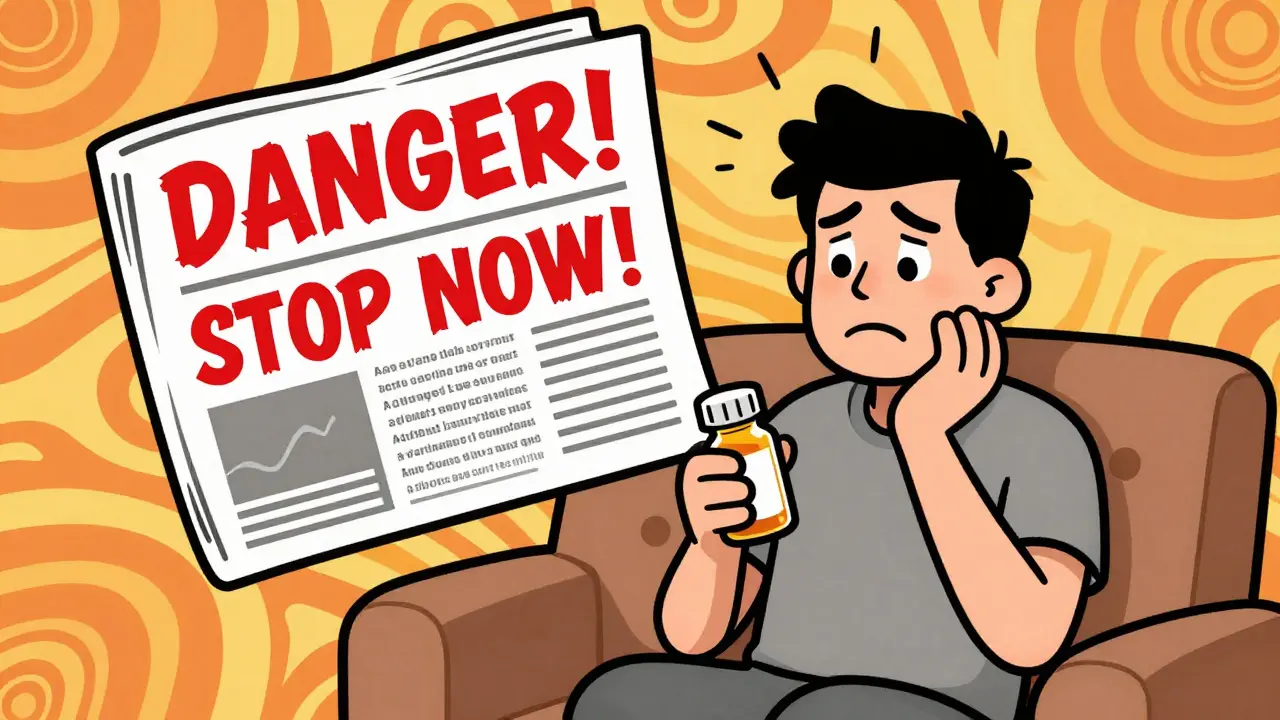
Have you ever stopped taking a prescribed medication after reading a scary headline? You are not alone. In fact, a 2023 Kaiser Family Foundation survey found that 61% of U.S. adults changed their medication habits based on news reports, with 28% stopping their prescriptions entirely. This reaction is understandable-no one wants to risk their health-but it often stems from misunderstanding how medical research is reported in the media.
Evaluating media reports about medication safety isn’t just about trusting your gut; it requires understanding the difference between statistical noise and real danger. The global market for medication safety monitoring is projected to reach $6.8 billion by 2030, reflecting the growing complexity of tracking drug risks. Yet, despite this investment, media coverage often fails to provide the context needed for safe decision-making. This guide will help you cut through the sensationalism and evaluate drug safety claims like a professional.
Understanding the Source: Who Is Reporting the Risk?
The first step in evaluating any medication safety report is identifying where the information comes from. Not all sources carry equal weight. A study published in a peer-reviewed journal like JAMA Network Open has undergone rigorous scrutiny by experts in the field. In contrast, a blog post or social media thread lacks this verification process.
Research shows significant differences in accuracy across media types. A 2020 BMJ study analyzing 347 news articles found that major newspapers correctly interpreted absolute versus relative risk in 62% of cases. Cable news outlets managed only 38%, while digital-native platforms scored a dismal 22%. Broadcast media performed even worse when explaining study limitations, with only 18% of TV reports mentioning methodological constraints. If you are reading a sensational headline on social media, assume it is missing critical context until proven otherwise.
Distinguishing Errors from Adverse Reactions
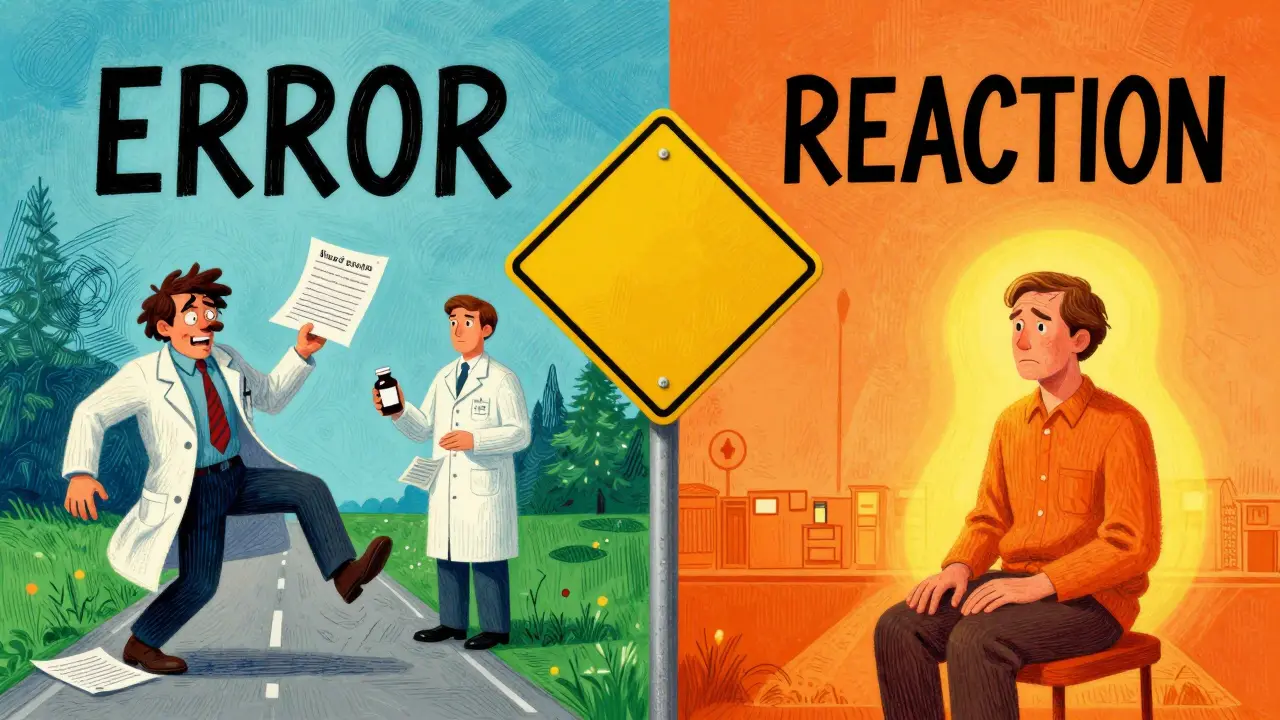
One of the most common pitfalls in media reporting is conflating two distinct concepts: medication errors and adverse drug reactions (ADRs). Understanding this difference is crucial for interpreting safety data accurately.
- Medication Errors: These are preventable incidents, such as a pharmacist dispensing the wrong dose or a doctor prescribing a contraindicated drug. According to Dr. Lucian Leape, a pioneer in patient safety, these are systemic failures that can be addressed through better protocols.
- Adverse Drug Reactions (ADRs): These are unintended harmful effects occurring at normal doses. Some ADRs are inevitable side effects of how a drug works in the body, not mistakes made by healthcare providers.
A 2022 scoping review in PLOS ONE found that only 32% of analyzed studies properly distinguished between these two categories. When media reports fail to make this distinction, they often blame individual practitioners for systemic issues or vice versa, leading to misleading conclusions about who is at fault and what the actual risk level is.
Decoding Risk: Absolute vs. Relative Numbers
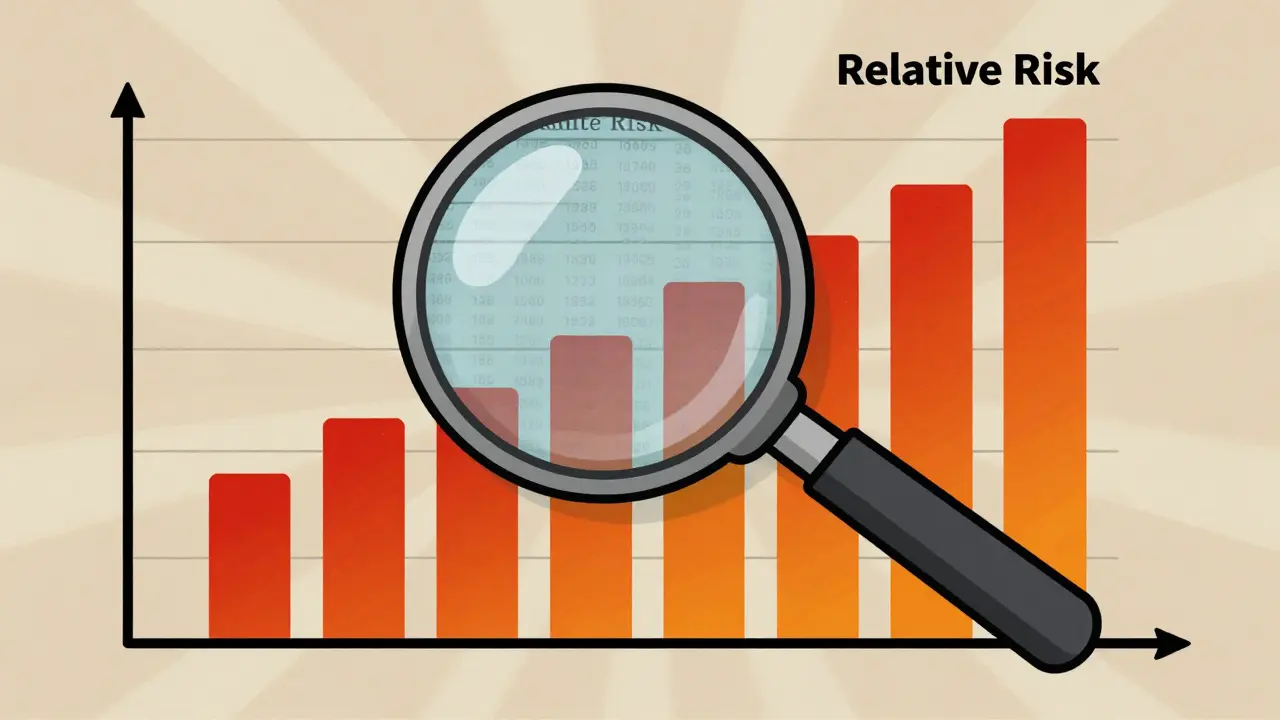
This is perhaps the most manipulated statistic in health reporting. Headlines love relative risk because it sounds bigger and scarier. For example, a headline might claim, "Study Shows 50% Increase in Heart Attack Risk with Drug X." This sounds terrifying, but it ignores the baseline risk.
If the original risk of having a heart attack was 0.01%, a 50% increase brings it to 0.015%. While technically true, the absolute risk remains extremely low. Conversely, if the baseline risk was 50%, a 50% increase means you now have a 75% chance of a heart attack-a very different scenario. Always look for the absolute risk numbers. If an article mentions only relative risk without providing the baseline percentage, it is likely exaggerating the danger.
Evaluating Study Methodologies
Not all medical studies are created equal. The methodology used to gather data significantly impacts its reliability. Here are three common methods and what to watch for:
- Incident Report Review: This relies on voluntary reporting of errors. It is easy to collect but suffers from massive underreporting. Estimates suggest that 90-95% of adverse events are never reported voluntarily. Therefore, a lack of reports does not mean a drug is safe.
- Chart Review: Researchers go through patient records to find errors. Dr. David Bates, who developed trigger tool methodologies, notes that chart reviews typically capture only 5-10% of actual medication errors because many subtle errors leave no trace in the record.
- Trigger Tool Methodology: This method uses specific clinical indicators (triggers) to identify potential errors. A 2011 systematic review found this approach offers the best balance of effectiveness and labor efficiency, making it more reliable than simple incident reporting.
When reading a report, ask yourself: Did the study use a robust method like trigger tools, or did it rely on self-reported data that is prone to bias? If the methodology is vague or omitted, treat the findings with skepticism.
Checking for Confounding Factors
In observational studies, which are common in drug safety reporting, researchers look at large groups of people over time. However, these studies cannot control for every variable. Confounding factors are external influences that might cause the observed effect, not the drug itself.
For instance, a study might find that patients taking Drug Y have higher rates of hospitalization. But if those patients also had more severe underlying conditions than the control group, the severity of their illness-not the drug-might be the cause. A 2021 JAMA Internal Medicine audit found that proper control for confounding factors was present in only 35% of media-described studies. If a report does not mention how it accounted for age, lifestyle, or other medications, its conclusions may be invalid.
Cross-Referencing Authoritative Sources
Don’t take a single news report as gospel. Verify claims against authoritative databases and guidelines. Two primary resources stand out:
- FDA’s FAERS Database: The Food and Drug Administration’s Adverse Event Reporting System collects spontaneous reports of side effects. Remember, these are reports, not proof of causation. Just because someone took a drug and got sick doesn’t mean the drug caused the sickness.
- WHO’s Uppsala Monitoring Centre: This global database tracks pharmacovigilance data worldwide. It provides a broader perspective than national systems alone.
A 2021 study in Drug Safety found that only 44% of media reports citing these databases properly contextualized the difference between reported incidents and causally established adverse events. Always check if the source explains this distinction.
A Step-by-Step Evaluation Checklist
To make this process easier, use this checklist whenever you encounter a medication safety report:
- Source Verification: Is the report from a reputable outlet? Does it cite a peer-reviewed study?
- Error vs. Reaction: Does it distinguish between preventable errors and inherent side effects?
- Risk Context: Are absolute risk numbers provided alongside relative risk percentages?
- Methodology: Is the study design explained? Does it account for confounding factors?
- Expert Opinion: Does it include quotes from independent experts, not just pharmaceutical company representatives?
- Limitations: Does the report acknowledge the study’s weaknesses or sample size constraints?
If the answer to most of these questions is no, proceed with caution. Do not change your medication regimen based on such reports. Instead, discuss the findings with your healthcare provider, who can interpret the data in the context of your personal health history.
Why do media reports often exaggerate medication risks?
Media outlets compete for attention, and sensational headlines generate more clicks and views. Additionally, complex statistical concepts like confidence intervals and relative risk are difficult to explain simply, leading to oversimplification that often skews toward alarmism.
What is the difference between a medication error and an adverse drug event?
A medication error is a preventable mistake in the prescription, dispensing, or administration of a drug. An adverse drug event (ADE) is any injury resulting from medical intervention related to a drug, which may include errors but also encompasses unavoidable side effects or allergic reactions.
How can I tell if a study controlled for confounding factors?
Look for language indicating that the researchers adjusted for variables such as age, gender, pre-existing conditions, or other medications. If the study description is vague or omits these details, the results may be influenced by external factors rather than the drug itself.
Is it safe to stop my medication based on a news report?
No. Stopping medication abruptly can lead to serious health consequences, including withdrawal symptoms or worsening of the underlying condition. Always consult your healthcare provider before making any changes to your treatment plan.
Where can I find reliable information about drug safety?
Reliable sources include the FDA’s website, the World Health Organization’s pharmacovigilance resources, peer-reviewed medical journals, and official statements from organizations like the Institute for Safe Medication Practices (ISMP).