Insurance Appeals: Fighting Denials When a Generic Medication Doesn't Work
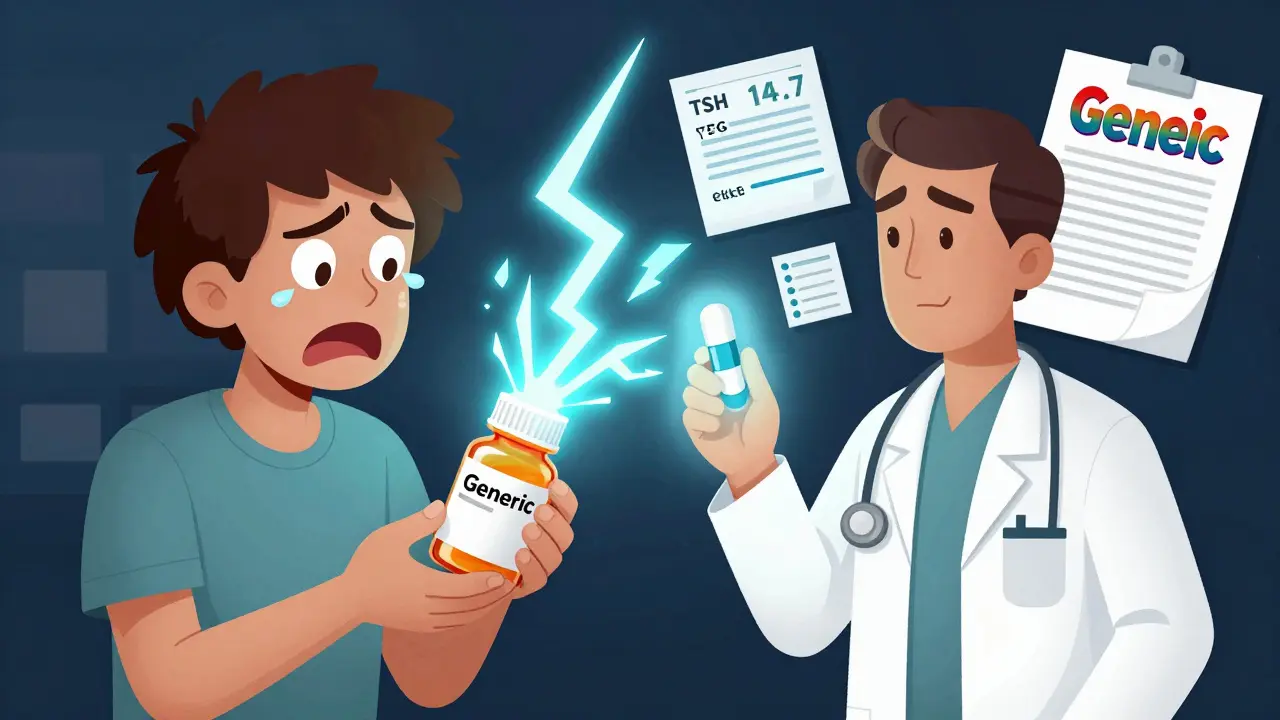
When your insurance denies your brand-name medication because a generic version is available, but that generic makes you feel worse-or doesn’t work at all-you’re not alone. Thousands of people in the UK and across the US face this every day. It’s not a matter of being picky. It’s a matter of biology. Your body doesn’t respond the same way to every pill just because they contain the same active ingredient. And when insurance companies ignore that, they’re putting your health at risk.
Why Generics Don’t Always Work
Generics are required to be bioequivalent to brand-name drugs. That means they must deliver 80% to 125% of the active ingredient in your bloodstream compared to the original. Sounds fair, right? But here’s the catch: that 45% window is huge. For some medications-like levothyroxine for thyroid disease, warfarin for blood thinning, or levetiracetam for epilepsy-even small differences in absorption can cause serious problems.
Take thyroid patients. One study showed that switching from Synthroid to a generic levothyroxine caused TSH levels to spike from 2.1 to 14.7 in just eight weeks. That’s not a minor fluctuation. That’s a medical emergency waiting to happen. For someone with epilepsy, a slightly slower-absorbing generic could mean a breakthrough seizure. For someone on warfarin, it could mean a stroke or internal bleeding.
The FDA says generics are interchangeable. But real patients, real doctors, and real labs say otherwise. The American Medical Association found that 15-20% of patients on certain drug classes experience therapeutic failure with generics. These aren’t rare edge cases. They’re common enough that insurers should have a clear, fast process to handle them.
How the Appeal Process Actually Works
Every insurance plan has a built-in appeals system. It’s not optional. It’s required by law. But most people don’t know how to use it-or worse, they think it’s too complicated to bother with.
Here’s how it breaks down:
- Internal Appeal: You have 180 days from the denial date to ask your insurer to reconsider. You submit a letter from your doctor explaining why the generic failed and why the brand is medically necessary.
- External Review: If that’s denied, an independent third party reviews your case. This is where most appeals succeed-67% of the time, according to the Patient Advocate Foundation.
- Medicare Part D: If you’re on Medicare, you get five levels of appeal, including review by the Office of Medicare Hearings and Appeals. Decisions on urgent cases must be made within 72 hours.
Time matters. For non-urgent cases, internal reviews take about 21 days. External reviews add another 34. That’s over two months without your medication. For someone with epilepsy, that’s not just inconvenient-it’s dangerous.
What Your Doctor Needs to Write
The single biggest factor in winning an appeal? The doctor’s letter. Not just any letter. A detailed, evidence-based one.
Successful appeals include:
- Lab results showing subtherapeutic levels (e.g., TSH, INR, drug concentration)
- Documentation of adverse reactions (rash, dizziness, seizures, mood changes)
- Timeline of medication changes and symptom patterns
- Reference to clinical guidelines (like the Endocrine Society’s stance on thyroid meds)
- Specific ICD-10 codes linking symptoms to treatment failure
One study found that appeals with this level of detail had an 82% approval rate. Generic letters that just say “patient can’t tolerate generic”? Only 37% approval.
Your doctor doesn’t need to be a specialist. But they do need to understand what the insurer is looking for. Many now use standardized templates provided by groups like the Crohn’s & Colitis Foundation or the Epilepsy Foundation. Ask your provider if they’ve handled these appeals before. If not, offer to send them a sample.

Where to Get Help
You don’t have to do this alone.
GoodRx’s Appeal Assistant helps patients generate customized appeal letters in minutes. It’s not magic-it just asks you a few questions and pulls in the right medical language. Over 147,000 appeals were processed through it in 2023, with a 68% success rate.
The Patient Advocate Foundation offers free case managers who help you gather records, write letters, and track deadlines. Their 2023 report showed 92% satisfaction among users. Call 1-800-532-5274. No charge. No fine print.
If you’re on Medicare, the Medicare Rights Center provides free counseling. They know exactly which forms to fill out and what evidence to submit. Don’t wait until you’re denied-call them before you even apply.
What to Do If You’re Denied
First denial? Don’t panic. 42% of initial appeals get rejected. That’s normal. But if you have solid documentation, your chances of winning on external review jump to 67%.
Here’s what to do next:
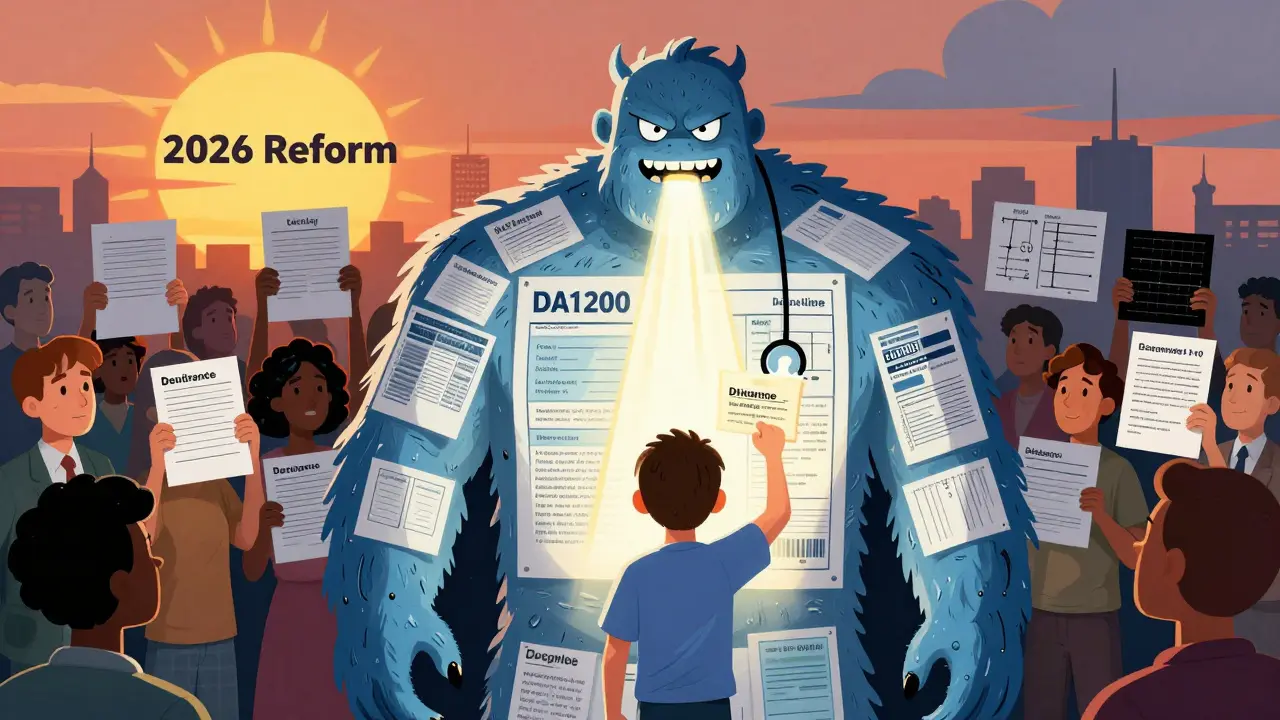
- Get your Explanation of Benefits (EOB). Look for denial codes like DA2000 (“generic available”) or DA1200 (“not on formulary”).
- Collect your lab reports, symptom logs, and pharmacy records.
- Ask your doctor for a letter using the template above.
- Submit your external appeal within 60 days (or 180 for commercial plans).
- If you’re on Medicare, request an expedited review if your condition is unstable.
Some insurers demand you try three or four generics before approving the brand. That’s not legal. In 28 states, including California, New York, and Texas, insurers are banned from forcing patients through multiple failed generics when there’s documented therapeutic failure.
Real Stories, Real Outcomes
One patient in Leeds, UK, had been stable on brand-name Keppra for epilepsy for five years. Her insurance switched her to a generic. Within three weeks, she had two seizures. She submitted her EEG results, seizure logs, and a letter from her neurologist citing the SCN1A gene mutation. The appeal was approved in 11 days. She’s been seizure-free for 14 months.
Another, with Hashimoto’s, switched from Synthroid to generic levothyroxine and developed severe fatigue, weight gain, and brain fog. Her TSH jumped from 2.1 to 14.7. Her endocrinologist wrote a letter referencing the 2019 Endocrine Society guidelines. The insurer approved the brand on the first appeal.
But not everyone wins. One Reddit user, u/PainPatient, had three breakthrough seizures on generic gabapentin. Anthem denied his appeal, saying “no clinical evidence of failure.” He had lab results. He had seizure diaries. He had witness statements from his roommate. Still denied. He had to go to court.
The system isn’t perfect. But it works-if you know how to use it.
What’s Changing in 2026
The rules are shifting. CMS now requires insurers to process appeals for anti-seizure medications within 72 hours. The FDA is drafting new guidance to acknowledge that some patients simply don’t respond the same way to generics-even if they’re “bioequivalent.”
More employers are adding “therapeutic inequivalence” exceptions to their pharmacy contracts. And AI tools like AppealCheck are being trained to predict denials before they happen, based on your drug, your condition, and your insurer’s history.
The bottom line? Insurance companies aren’t evil. They’re following cost-cutting rules. But those rules don’t account for real human biology. That’s why you have to fight back-with data, with documentation, and with persistence.
What if my doctor won’t help with the appeal letter?
If your doctor refuses, ask for a referral to a specialist who handles these appeals often. You can also contact the Patient Advocate Foundation-they’ll help you draft a letter your doctor can sign. Many providers are willing to sign if the language is clear and backed by data. Don’t take a “no” as final.
Can I get my brand-name drug while waiting for the appeal?
Sometimes. If your condition is unstable-like uncontrolled seizures, thyroid crisis, or dangerous INR levels-you can request an emergency exception. Medicare and many private insurers must respond within 72 hours. Call your pharmacy and ask them to submit an emergency prior authorization. Bring lab results and symptom logs with you.
Do I need to try every generic before appealing?
No. Insurers can’t force you to try multiple generics if you’ve already had documented failure. In 28 states, this practice is illegal. Even in states without laws, if you have lab evidence or a doctor’s note showing failure, you can appeal immediately. You don’t need to suffer through three bad options before asking for the one that works.
Why do some insurers say ‘no generic failure exists’?
Some insurers deny appeals by claiming there’s no proof the generic didn’t work-despite clear lab results or seizure logs. This is a tactic. The FDA acknowledges that bioequivalence doesn’t equal therapeutic equivalence. You need to push back with specific data: TSH levels, INR values, drug concentration tests, or EEG findings. Don’t let them dismiss your experience.
How long does the entire appeal process take?
Internal appeal: 14-21 days. External review: 30-45 days. Medicare expedited review: 72 hours. If you’re in crisis, always request expedited processing. You have the right to it. And if you’re denied, you can appeal again-up to three times in some cases. Persistence pays off.
Bridgette Pulliam
March 9, 2026 AT 17:55Wow. This post really laid it out without the usual corporate fluff. I’ve been on levothyroxine for 12 years, and switching generics nearly sent me to the ER. My TSH went from 1.8 to 16. No joke. My doctor didn’t even know how to fight it until I showed him the data. Now he uses the template from the Endocrine Society. If you’re struggling-don’t give up. You’re not being difficult. Your body’s just not a spreadsheet.
Gene Forte
March 10, 2026 AT 18:40It’s not about cost. It’s about respect. We treat a pill like it’s a widget, but the human body isn’t a factory line. Every person’s chemistry is a unique equation. When insurers treat biology like a rounding error, they’re not saving money-they’re gambling with lives. And that’s not capitalism. That’s negligence dressed up in a spreadsheet.
David L. Thomas
March 10, 2026 AT 21:12Therapeutic failure thresholds are wildly underdocumented in the literature. Bioequivalence ≠ therapeutic equivalence. The FDA’s 80–125% window was designed for average pharmacokinetics-not for patients with SCN1A mutations, CYP2C9 variants, or malabsorption syndromes. We need pharmacogenomic-guided formularies. Until then, we’re just playing Russian roulette with antiepileptics and thyroid meds. The data’s there. The tools exist. The will? Not so much.
Mike Winter
March 11, 2026 AT 06:32My wife had a similar battle with her epilepsy meds. The insurer said 'no evidence of failure'-despite her EEG logs, seizure diary, and witness statements. We appealed. External review took 42 days. Approved. They never apologized. Just sent the brand. No explanation. Just… silence. I think the system’s broken, but not because people are evil. Because it’s designed to ignore the messy truth of biology. And that’s the real tragedy.
Randall Walker
March 13, 2026 AT 02:46So let me get this straight… you’re telling me that the same drug, with the same active ingredient, can cause seizures in one person and do nothing in another… but the insurance company says ‘prove it’? Like, what are we, lab rats? I’ve got a friend who had a stroke because his warfarin generic absorbed too slow. He had INR logs. They denied it anyway. ‘We don’t recognize anecdotal evidence.’ Anecdotal? Dude’s in a wheelchair. That’s not anecdotal. That’s a lawsuit waiting to happen.
Tom Bolt
March 14, 2026 AT 20:47THIS IS WHY WE CAN’T HAVE NICE THINGS. INSURANCE COMPANIES AREN’T JUST ‘COST-CUTTING’-THEY’RE SYSTEMATICALLY SABOTAGING PEOPLE’S HEALTH FOR QUARTERLY EARNINGS. THEY KNOW THIS. THEY HAVE THE DATA. THEY’VE BEEN WARNED. THEY STILL DO IT. AND THEN THEY SAY ‘WE FOLLOW THE GUIDELINES.’ THE GUIDELINES WERE WRITTEN BY LAWYERS WHO’VE NEVER MET A PATIENT. THIS ISN’T HEALTHCARE. IT’S A SCAM. AND WE’RE ALL PAYING FOR IT-IN BLOOD, IN SEIZURES, IN GRIEF.
Shourya Tanay
March 16, 2026 AT 19:00Interesting. In India, generics are the norm, but we rarely see these issues because most patients can’t afford brand-name drugs at all. But when we do see therapeutic failure-like with antiepileptics or anticoagulants-we rely on physician discretion and community pharmacists to flag inconsistencies. No formal appeals process. Just… trust. Makes me wonder if the U.S. system’s complexity is a feature, not a bug. Too many middlemen. Too many algorithms. Too little humanity.
LiV Beau
March 17, 2026 AT 07:05OMG I just had to comment-this is SO RELATABLE 😭 I switched from Synthroid to generic and felt like a zombie for 3 months. My endo was like ‘it’s the same thing’… until I showed her my TSH graph. Then she went full warrior mode and wrote the letter. Approved in 10 days. I cried. I still cry when I think about how close I came to losing my job because I couldn’t focus. Please, if you’re reading this-don’t let anyone tell you you’re being ‘difficult.’ Your body knows. Trust it. And fight. 💪❤️
Adam Kleinberg
March 19, 2026 AT 01:32