Ischemic vs. Hemorrhagic Stroke: Key Differences and Prevention Strategies
Imagine waking up with one side of your body numb, or suddenly hitting your head against a wall because of the most intense headache of your life. These are not just bad days; they are likely signs of a stroke is a medical emergency where blood flow to part of the brain is interrupted or a blood vessel bursts. While both scenarios feel terrifying, the underlying mechanics are completely different. Understanding whether you are dealing with an ischemic or hemorrhagic event is crucial because treating one with the medication meant for the other can be fatal. This guide breaks down the distinct biological processes, symptoms, and specific prevention tactics for each type, helping you and your loved ones act fast when it matters most.
The Core Difference: Blockage vs. Bleeding
To understand how to prevent these events, we first need to look at what is actually happening inside the skull. The two main categories of stroke are defined by their cause: obstruction versus rupture.
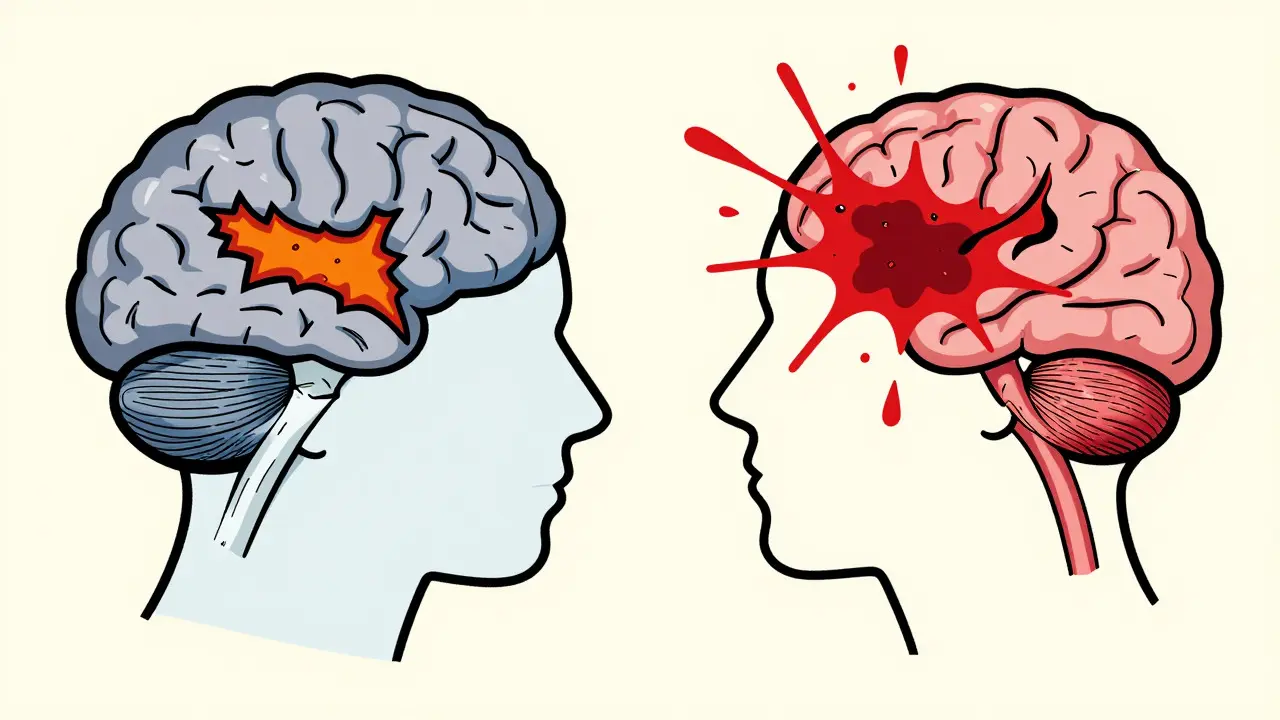
Ischemic stroke is the most common type, accounting for approximately 87% of all cases, caused by a clot that blocks blood flow to the brain. Think of it like a clogged pipe. Oxygen-rich blood cannot reach the brain tissue, causing cells to die within minutes. This can happen in two ways: a clot forms directly in a brain artery (thrombotic) or a clot forms elsewhere in the body, such as the heart, and travels to the brain (embolic).
In contrast, a hemorrhagic stroke is a less common but often more severe event where a weakened blood vessel ruptures, causing bleeding into or around the brain. This accounts for about 13-15% of cases. Imagine a garden hose bursting under high pressure. The blood leaks out, creating a hematoma that puts physical pressure on healthy brain tissue. This type is frequently linked to uncontrolled high blood pressure, which weakens vessel walls over time.
| Feature | Ischemic Stroke | Hemorrhagic Stroke |
|---|---|---|
| Primary Cause | Blood clot blocking a vessel | Ruptured blood vessel |
| Prevalence | ~87% of all strokes | ~13-15% of all strokes |
| Onset Speed | Gradual to sudden (minutes to hours) | Sudden and dramatic (seconds to minutes) |
| Key Symptom | Focal weakness, speech issues | Severe "thunderclap" headache |
| Primary Risk Factor | Atrial fibrillation, atherosclerosis | Uncontrolled hypertension |
Recognizing the Warning Signs
Because the mechanisms differ, the symptoms often present differently, though there is significant overlap. Knowing these nuances can help emergency responders treat you faster.
For ischemic strokes, patients often describe a gradual worsening. You might notice face drooping on one side, arm weakness, or slurred speech that gets worse over 15 to 20 minutes. A 2017 study analyzing over 500 patients found that while headaches occur in ischemic cases, they are far less common than in hemorrhagic events. Specifically, only about 19% of ischemic stroke patients reported a headache, compared to nearly 92% of those with hemorrhagic strokes.
Hemorrhagic strokes tend to hit harder and faster. The hallmark symptom is a sudden, explosive headache often described as "the worst headache of my life." Because blood is released under pressure, it irritates the brain lining immediately. Other signs include nausea, vomiting, stiff neck, and seizures. In fact, seizures appear in roughly 17% of hemorrhagic cases but are virtually non-existent in initial ischemic presentations. If someone collapses with a screaming headache and loses consciousness, suspect a bleed until proven otherwise.
Why Treatment Protocols Are Opposite
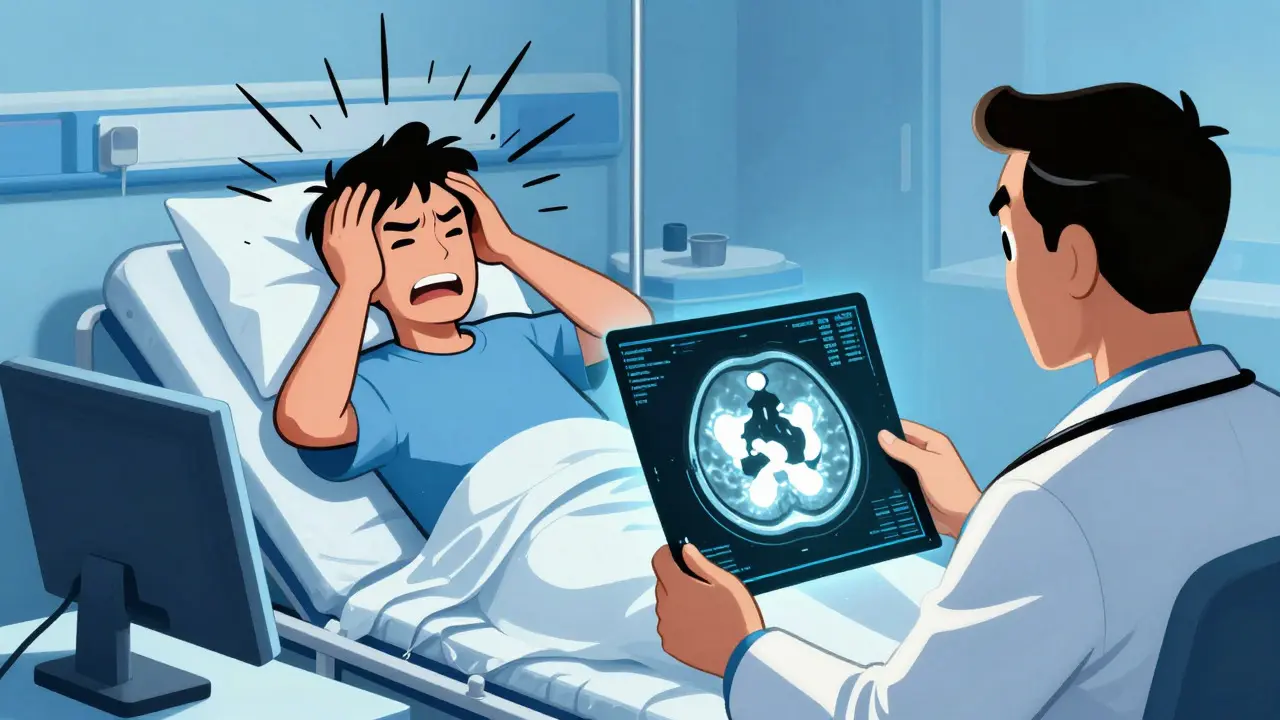
This is where the distinction becomes life-or-death. In a hospital setting, doctors must determine the type before administering drugs. The gold standard for this differentiation is a non-contrast CT scan, which quickly reveals if there is blood (white areas) or just a blockage.
If the scan shows an ischemic stroke, the goal is to break up the clot. Doctors may administer thrombolytic medications like tPA (alteplase) or tenecteplase. These drugs dissolve clots effectively but carry a risk of bleeding. Therefore, giving them to someone with a hemorrhagic stroke would worsen the bleed and potentially kill the patient. The window for this treatment is narrow-typically within 3 to 4.5 hours of symptom onset.
Conversely, if the scan reveals a hemorrhagic stroke, the goal is to stop the bleeding and reduce pressure. Thrombolytics are contraindicated. Instead, treatment involves lowering blood pressure aggressively, reversing any blood thinners the patient might be taking, and sometimes surgery. For subarachnoid hemorrhages caused by aneurysms, neurosurgeons may use clipping (placing a metal clip on the aneurysm) or coiling (filling the aneurysm with tiny coils) to prevent re-rupture.
Targeted Prevention Strategies
You cannot control genetics, but you can manage the major risk factors associated with each stroke type. Prevention is not one-size-fits-all; it depends on your personal health profile.
Protecting Against Ischemic Stroke
Since ischemic strokes are often driven by heart conditions, cardiac health is paramount. The biggest culprit here is atrial fibrillation (AFib), an irregular heartbeat that allows clots to form in the heart. If you have AFib, anticoagulant therapy (like apixaban or warfarin) reduces stroke risk by 60-70%. Additionally, managing cholesterol and maintaining a healthy weight helps prevent atherosclerosis, the buildup of plaque in arteries that leads to thrombotic strokes.
- Monitor Heart Rhythm: Use wearable devices to detect irregular beats early.
- Take Prescribed Medications: Adherence to antiplatelet or anticoagulant drugs is critical.
- Quit Smoking: Smoking damages blood vessels and increases clot formation risk.
Protecting Against Hemorrhagic Stroke
Blood pressure is the single most important factor for preventing bleeds. Chronic hypertension weakens the walls of small arteries in the brain. The SPRINT trial demonstrated that keeping systolic blood pressure below 120 mmHg reduced hemorrhagic stroke risk by 38% compared to a target of 140 mmHg. This means daily monitoring and consistent medication adherence are non-negotiable for high-risk individuals.
- Control Hypertension: Aim for readings below 130/80 mmHg, or lower if directed by your doctor.
- Limit Alcohol: Excessive drinking raises blood pressure and thins blood, increasing bleed risk.
- Screen for Aneurysms: If you have a family history of brain aneurysms, ask your doctor about screening via MRA or CTA.
Lifestyle Changes That Help Both Types
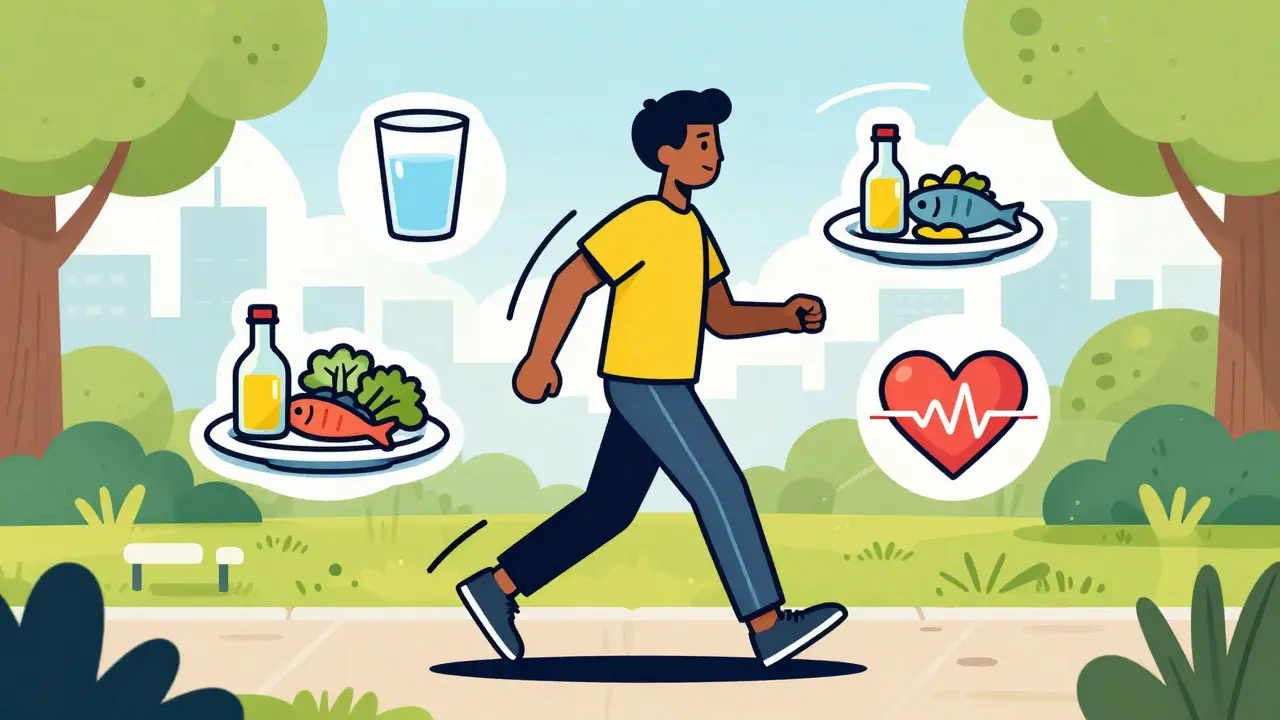
While specific risks differ, general cardiovascular health protects against both. The Mediterranean diet, rich in olive oil, nuts, fish, and vegetables, has been shown to reduce overall stroke risk by 30%. Regular moderate exercise, such as 150 minutes of brisk walking per week, improves circulation and lowers blood pressure simultaneously. Avoiding tobacco is also a universal shield; quitting smoking drops stroke risk by 50% within just one year.
When to Call Emergency Services
Do not wait to see if symptoms pass. Brain cells begin dying within seconds of a stroke. Use the FAST acronym to identify potential signs:
- Face: Does one side droop?
- Arm: Is one arm weak or numb?
- Speech: Is speech slurred or strange?
- Time: Time to call emergency services immediately.
Can you tell the difference between an ischemic and hemorrhagic stroke at home?
It is difficult to be certain without imaging. However, a sudden, explosive "thunderclap" headache combined with vomiting or loss of consciousness strongly suggests a hemorrhagic stroke. Gradual onset of weakness or speech difficulty points more toward ischemic. Regardless of the symptoms, treat every case as an emergency and call for help immediately.
Which type of stroke is more dangerous?
Hemorrhagic strokes generally have higher immediate mortality rates due to the pressure exerted by bleeding. However, ischemic strokes are far more common. Long-term disability outcomes depend heavily on the size and location of the damage rather than just the type. Rapid treatment significantly improves survival for both.
Does taking aspirin prevent all types of stroke?
Aspirin is an antiplatelet agent that helps prevent clots, so it is effective for secondary prevention of ischemic strokes. However, it is not recommended for primary prevention in everyone, especially those at high risk for bleeding. It does not prevent hemorrhagic strokes and can actually increase the severity of bleeding if a rupture occurs. Always consult a doctor before starting daily aspirin.
How long do you have to treat an ischemic stroke?
The standard window for IV thrombolytic therapy (tPA) is 3 to 4.5 hours from symptom onset. Newer techniques like mechanical thrombectomy can extend this window up to 24 hours for large vessel occlusions, but earlier treatment always yields better results.
What is the role of blood pressure in stroke prevention?
High blood pressure is the number one modifiable risk factor for both types. It causes arterial damage leading to clots (ischemic) and weakens vessel walls leading to ruptures (hemorrhagic). Keeping blood pressure in a normal range through medication and lifestyle changes is the most effective single strategy for reducing overall stroke risk.