Medication-Induced Palpitations: How to Spot and Manage a Rapid Heartbeat

Medication Palpitation Risk Checker
Disclaimer: This tool is for educational purposes based on the article provided. It is not a medical diagnosis. Always consult a healthcare professional before changing your medication.
Analysis Result
Risk LevelSelect a medication to see recommendations.
Enter your details to see the potential cardiac impact of your medication.
Which Medications Trigger a Rapid Heartbeat?
Not all drugs affect the heart the same way. Some act like a stimulant, pushing your heart rate up, while others change the timing of the heart's electrical recharge, which can lead to more serious arrhythmias.Asthma treatments are some of the most frequent culprits. Beta-2 agonists, such as Albuterol, can increase your heart rate by 15 to 25 beats per minute shortly after you inhale them. If you use long-acting versions like Salmeterol, that elevation can stick around for 8 to 12 hours.
Antibiotics also play a significant role, though their impact is more about "timing" than speed. Certain drugs, specifically Azithromycin, can prolong the QT interval-the time it takes for your heart's ventricles to recharge. A study of 1.2 million patients found that this specific antibiotic increased the risk of tachycardia by over two-fold. Fluoroquinolones, like Levofloxacin, have a similar effect, though usually slightly less intense.
Beyond prescriptions, everyday over-the-counter (OTC) fixes can be triggers. Decongestants containing Pseudoephedrine are known to drive heart rates up by 10 to 20 bpm. Even newer weight-loss medications like Semaglutide have shown a slight but measurable increase in resting heart rate in clinical trials.
| Drug Category | Example Entity | Primary Effect | Typical Impact |
|---|---|---|---|
| Beta-2 Agonists | Albuterol | Direct Heart Rate Increase | +15-25 bpm |
| Macrolide Antibiotics | Azithromycin | QT Interval Prolongation | 30-50ms increase | Thyroid Hormones | Levothyroxine | Metabolic Acceleration | Palpitations in 8-12% of users |
| Decongestants | Pseudoephedrine | Stimulant Effect | +10-20 bpm |
How Doctors Evaluate Your Heart Symptoms
If you tell your doctor your heart is racing after starting a new pill, they won't just guess. They follow a specific evidence-based protocol to figure out if the drug is the cause and how dangerous the situation is.The first step is always a medication reconciliation. This means looking at every single thing you've put in your body in the last 72 hours-prescriptions, vitamins, and herbal supplements. Why 72 hours? Because about 70% of drug-induced rhythm issues show up in that window.
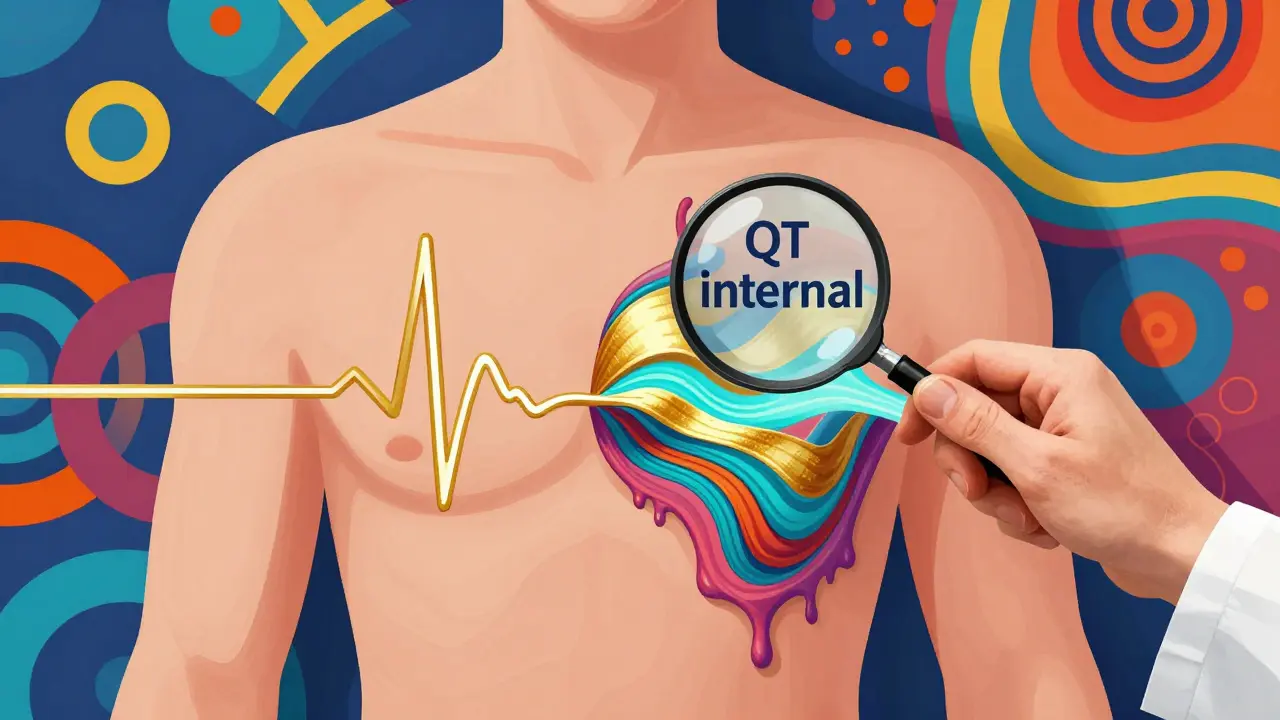
Next comes the Electrocardiogram (or ECG). This is the gold standard. Doctors look specifically at the QTc interval. In men, a normal reading is under 450ms; in women, it's under 460ms. If that number climbs above 500ms, it's a red flag that you're at high risk for a severe event like Torsades de Pointes, a specific type of rapid heart rhythm that can be fatal if not treated.
Since a standard ECG only catches a few seconds of your heart's activity, you might be asked to wear a Holter monitor for 24 to 48 hours. This is crucial because nearly 45% of intermittent arrhythmias are missed by a resting ECG but caught by continuous monitoring.
Finally, blood work is used to check for "potentiators." If your potassium is below 3.5 mmol/L or your magnesium is under 1.7 mg/dL, your heart is much more sensitive to medication side effects. A low-electrolyte environment makes it far easier for a drug to trigger a palpitation.
Managing the Racing Heart: From Dose Tweaks to Swapping Drugs
Depending on your risk level, the plan to stop the palpitations varies. It isn't always as simple as "stop taking the medicine," especially if you're treating a severe infection or a thyroid condition.For mild cases where the heart rate is up but the ECG looks relatively normal, you might just stay on the med with closer monitoring. However, if you're feeling symptomatic, a dose reduction is often the first move. Data shows that 60-70% of people see their symptoms vanish within three days of a dose adjustment.
When the risk is high-like a QTc over 500ms-the offending drug is stopped immediately. At this point, the focus shifts to finding a safer alternative. For instance, if you need an antibiotic but can't tolerate Azithromycin, Amoxicillin is often suggested because it has a significantly lower rate of causing arrhythmias (about 0.8% compared to 2.9% for Azithromycin).
In some extreme cases, such as certain chemotherapy treatments, you can't just stop the drug. In these scenarios, doctors might prescribe a "shield" medication, like Metoprolol. This beta-blocker can reduce the incidence of drug-induced arrhythmias by 45% without interfering with the cancer treatment's effectiveness.

Preventing Cardiac Side Effects Before They Start
The best way to handle medication palpitations is to make sure they never happen. This starts with knowing your baseline. Experts now advocate for a "pre-treatment QTc screening" for anyone starting high-risk medications. If you know your heart's natural timing, your doctor can spot an abnormality before it becomes a crisis.Age is a massive factor here. If you're over 75, you're over three times more likely to experience severe reactions to QT-prolonging drugs than a younger person. This means seniors need a much more cautious approach to dosing and more frequent ECG check-ups.
You can also take an active role by keeping a symptom journal. Don't just note that your heart raced; note the exact time you took your pill and the exact time the fluttering started. This creates a clear cause-and-effect map that helps your doctor make a decision based on data rather than memory.
There are certain "never events" you should be aware of. For example, combining two different medications that both prolong the QT interval can increase your risk of a heart event by nearly six-fold. Similarly, taking high-dose Citalopram (over 40mg/day) is generally avoided in elderly patients due to the cardiac risks.
How can I tell if my palpitations are caused by my medication or just anxiety?
While both feel similar, medication-induced palpitations often follow a predictable pattern tied to the drug's dosing schedule. If the fluttering starts shortly after taking a specific pill (like an inhaler) or appears 24-48 hours after starting a new antibiotic, it's more likely to be the drug. Anxiety-related heart racing is usually tied to a specific stressor or emotional trigger, whereas medication effects can happen even when you are relaxed.
Is it safe to stop my medication immediately if I feel my heart racing?
You should never stop a prescribed medication without consulting your doctor, especially for conditions like thyroid dysfunction or mental health. Stopping some drugs abruptly can cause dangerous withdrawal symptoms or a rebound of your original illness. Instead, call your provider and describe the symptoms; they can determine if you need a dose reduction or a switch to a different drug.
What is a "QT interval" and why does it matter?
The QT interval represents the time it takes for your heart's lower chambers (ventricles) to electrically reset after a beat. When a medication "prolongs" this interval, it means the reset is taking too long. If the reset is delayed too much, a new beat can trigger while the heart is still resetting, which can lead to a chaotic, rapid rhythm that prevents the heart from pumping blood effectively.
Can supplements also cause these heart issues?
Yes. Many herbal supplements and OTC stimulants act similarly to prescription drugs. High doses of caffeine, certain weight-loss supplements containing ephedra-like compounds, and even some concentrated minerals can affect heart rhythm. This is why medication reconciliation always includes every supplement you take.
When should I go to the emergency room for palpitations?
Seek immediate care if your rapid heartbeat is accompanied by fainting (syncope), severe chest pain, extreme shortness of breath, or if you feel like you are about to pass out. These can be signs of a hemodynamically unstable arrhythmia, such as Torsades de Pointes, which requires urgent medical intervention to stabilize the heart rhythm.
Next Steps for Your Care
If you suspect your medicine is messing with your heart, don't panic, but do be proactive. Start by listing every medication, dose, and the time you take it. If you have a home blood pressure monitor that tracks heart rate, record your bpm before and two hours after your dose.Schedule an appointment with your primary care doctor or a cardiologist. Specifically ask for an ECG to check your QTc interval and a blood panel to check your potassium and magnesium levels. If you are starting a new medication and have a history of heart issues, request a baseline ECG before the first dose to ensure you aren't starting from a high-risk position.