Physical Therapy for Pain: Exercise, Stretching, and Restoration

Why Physical Therapy Works When Pills Don’t
You’ve tried painkillers. Maybe even injections. But the pain keeps coming back. That’s because most medications only mask the symptom-not the cause. Physical therapy flips the script. Instead of suppressing pain, it teaches your body how to move better, stronger, and without fear. It’s not magic. It’s science. And it works for back pain, knee arthritis, neck stiffness, fibromyalgia-you name it.
Studies show that 50 to 75% of people see real pain reduction in just 6 to 8 weeks when they stick to a proper physical therapy plan. Not because they’re lucky. Because they’re doing the right movements at the right time.
Exercise That Actually Reduces Pain
It sounds counterintuitive: move when it hurts? But here’s the truth-movement triggers your body’s natural painkillers. Endorphins. Serotonin. They flood your system during even moderate activity. That’s why walking for 20 minutes can feel better than a pill.
For most people, the sweet spot is 65 to 75% of your maximum heart rate. That’s not sprinting. That’s brisk walking, cycling on flat ground, or swimming. A 2016 study found that 30 minutes on a treadmill at this intensity dropped pain ratings by measurable amounts. And you don’t need to do it all at once. Two minutes of movement, three times a day, works just as well for neck and shoulder pain as a full 12-minute session.
Strength training matters too. Two to three sets of 8 to 15 reps, using weights that feel challenging but not painful, rebuilds the muscles that support your joints. If your lower back hurts, strengthening your glutes and core helps. If your knees ache, strong quads take pressure off the joint. Research shows increasing weight by 5 to 10% each week leads to steady gains without flare-ups.
Stretching Isn’t Just for Athletes
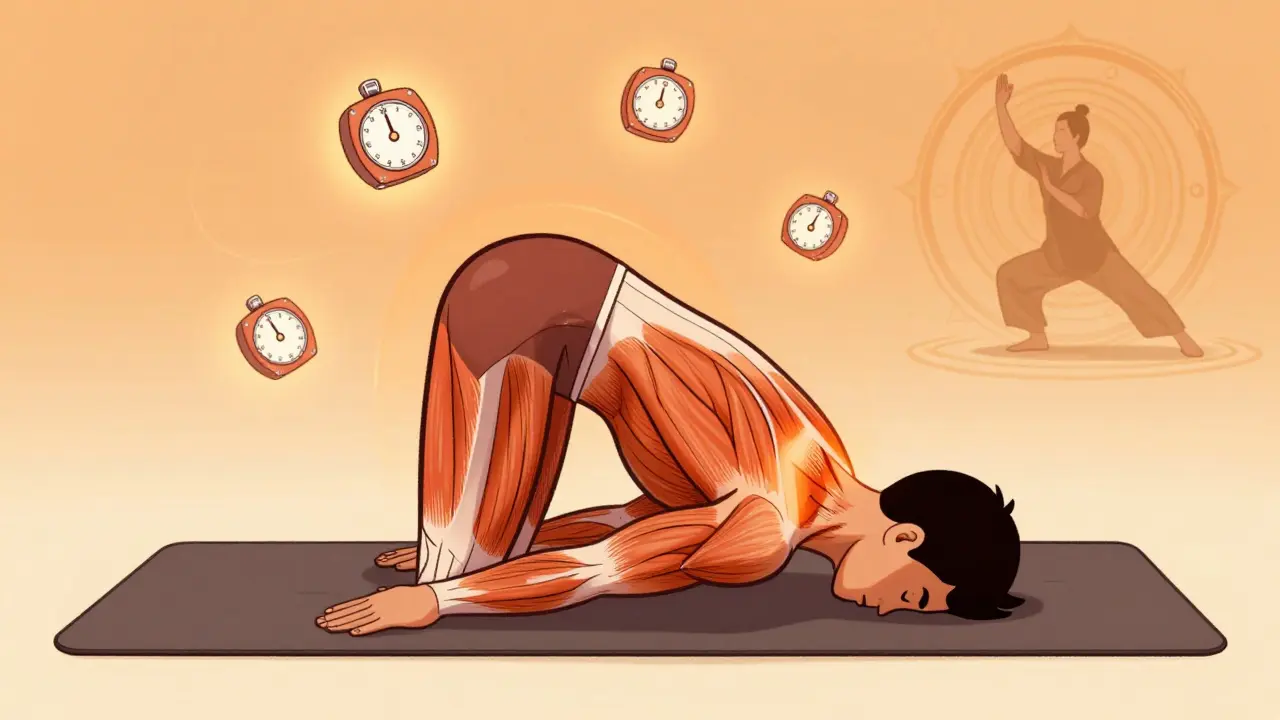
Stiffness locks in pain. Stretching doesn’t fix everything, but it breaks the cycle. Hold each stretch for 30 to 60 seconds. Do it 5 to 7 days a week. You’ll notice more mobility in as little as four weeks.
For lower back pain, the knee-to-chest stretch and pelvic tilts are simple but powerful. For tight shoulders, the doorway chest stretch opens up the front of your body and takes pressure off your neck. Don’t bounce. Don’t force it. Breathe. Let the stretch happen slowly. A 2023 study from Delmarva Physical Therapy showed gains of 15 to 25 degrees in range of motion after just a month of consistent stretching.
And don’t overlook tai chi. It’s not just slow motion. It’s movement with awareness. A 2022 Arthritis Foundation trial with nearly 300 people found tai chi reduced fibromyalgia pain 30% more than regular aerobic exercise. It’s gentle. It’s calming. And it works.
The 2-Hour Rule: When to Keep Going (and When to Stop)
One of the biggest mistakes people make? They stop because it hurts. But not all pain is bad. The key is knowing the difference.
Use the 2-hour rule: if your pain stays below a 3 out of 10 during exercise, and it returns to your baseline within two hours after, you’re on the right track. If it spikes above 5 or lingers past two hours, scale back. That’s your body saying, “Too much, too fast.”
Many beginners feel worse at first. That’s normal. But if your pain doubles after a session, your form might be off-or the intensity too high. That’s why the first few sessions with a therapist matter. They’ll watch how you move, correct your posture, and adjust the load.
Reddit users share real wins: one person with sciatica cut their pain from 7/10 to 2/10 in three weeks with straight leg raises. Another with fibromyalgia saw an 80% drop after 16 weeks of daily tai chi. But they all had one thing in common-they didn’t quit after the first bad day.
Why Home Programs Fail (And How to Fix Them)
Most physical therapy happens outside the clinic. But adherence is low. Only 45% of people stick with home exercises without support. Why? Because they’re given a paper handout with blurry pictures and vague instructions.
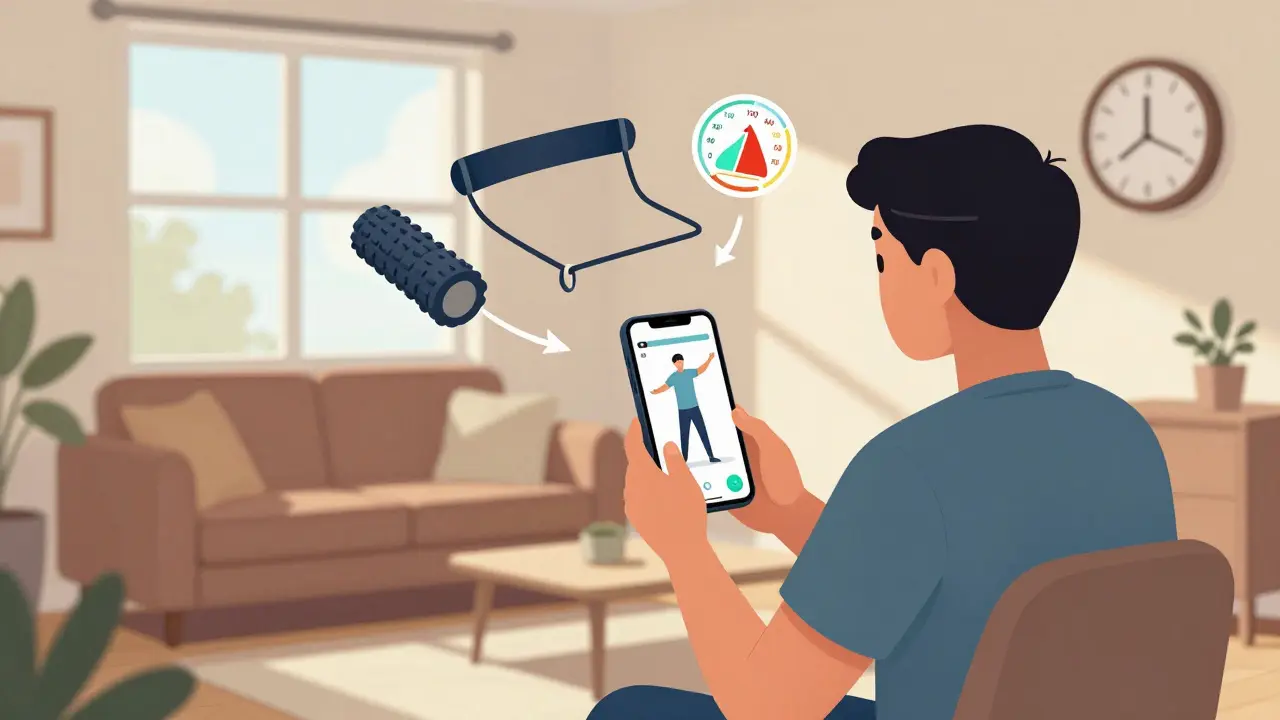
The fix? Video demos. A 2023 VAOP Therapy study found that when patients received short video clips of each exercise, adherence jumped to 78%. You don’t need fancy apps. Just record your therapist showing you the move on your phone. Watch it before each session.
Also, keep it simple. The Arthritis Foundation’s two-minute exercise routine is used by over 1,200 people. Most report 31% pain reduction in their neck and shoulders after four weeks. That’s it. Two minutes. No equipment. Just movement. If you can’t do a 20-minute workout, do two minutes. Do it twice. That’s enough to start.
What the Experts Agree On (And Where They Disagree)
Dr. James Fricton from UT Health Austin says targeted spine-strengthening exercises help 70% of chronic back pain patients. Dr. Cynthia Harrell from Duke says even short bursts of movement ease arthritis stiffness. These aren’t opinions-they’re backed by data.
But not everyone agrees. Dr. Jane Smith from Advanced Pain Medical warns that exercise alone doesn’t fix the root cause for everyone. Her data shows 35% of patients need more-like manual therapy, nerve glides, or even psychological support for pain-related anxiety.
That’s why physical therapy isn’t one-size-fits-all. A person with a herniated disc needs different moves than someone with osteoarthritis. A 2024 update from the American Physical Therapy Association now includes condition-specific exercise algorithms. Your therapist should tailor your plan, not hand you a generic sheet.
The Bigger Picture: Why This Matters Now
More than 27 million Americans get physical therapy each year. That’s not a trend-it’s a response to the opioid crisis. The non-opioid pain market hit $58 billion in 2023, and physical therapy makes up 22% of it. Medicare covers 80% of approved sessions. Employers are starting to offer it as part of wellness plans.
And it’s getting smarter. In 2024, Mayo Clinic rolled out a 15-minute back exercise protocol with 92% adherence and 62% pain reduction in six weeks. The NIH is funding $14.7 million to study ultra-short exercise bouts-think 90-second routines-for people who can’t move for long.
Meanwhile, 63% of clinics now offer telehealth. You can do your session from your living room. Wearables track your form. Apps remind you to move. The barriers are lowering. The access is growing.
What to Do Next
If you’re tired of pain controlling your life, start here:
- Find a licensed physical therapist-ask your doctor or check the American Physical Therapy Association’s directory.
- Ask them to show you 2-3 exercises you can do at home. Get video copies.
- Start with two minutes a day. Do it before breakfast or after dinner.
- Track your pain on a scale of 0 to 10 before and after each session.
- Stick with it for four weeks. If you don’t feel any change, ask for a plan adjustment-not a quit.
Physical therapy isn’t about fixing you. It’s about helping you move again. Without fear. Without pills. Without limits.
Can physical therapy make my pain worse at first?
Yes, sometimes. Especially if you’ve been inactive for a while. Muscles that haven’t worked in months will feel sore when they start moving again. But this isn’t the same as pain from injury. If your pain spikes above a 5/10 or lasts more than two hours after exercise, stop and check with your therapist. Most people feel better within a week as their body adapts.
Do I need special equipment for physical therapy exercises?
Not usually. Many effective exercises use just your body weight-like heel slides, wall squats, or seated marches. For resistance, a simple elastic band costs less than $10 and replaces expensive machines. Some protocols use a foam roller or a chair for support. You don’t need a gym. You need consistency.
How long until I see results from physical therapy?
Most people notice small improvements in movement and pain within 2 to 3 weeks. Significant pain reduction-like dropping from a 7/10 to a 3/10-usually takes 6 to 8 weeks. But you need to do the exercises regularly. Skipping days slows progress. Think of it like brushing your teeth: one day won’t fix cavities. But daily habits change outcomes.
Is physical therapy covered by insurance?
In the U.S., Medicare covers 80% of approved physical therapy costs. Most private insurers cover it too, though you may need a referral from your doctor. Check your plan’s coverage for number of visits allowed per year. Some employers offer additional benefits through wellness programs. Always ask your therapist’s office-they handle insurance questions daily.
Can I do physical therapy on my own without a therapist?
You can start with basic stretches and walking, but you risk doing it wrong. Studies show 42% of negative reviews cite exercises that made pain worse due to poor form. A therapist doesn’t just give you moves-they teach you how to move safely. One or two sessions with a professional can prevent injury and double your results. After that, you can continue at home with confidence.