Serious Adverse Events: How to Report Generic Drug Reactions Correctly
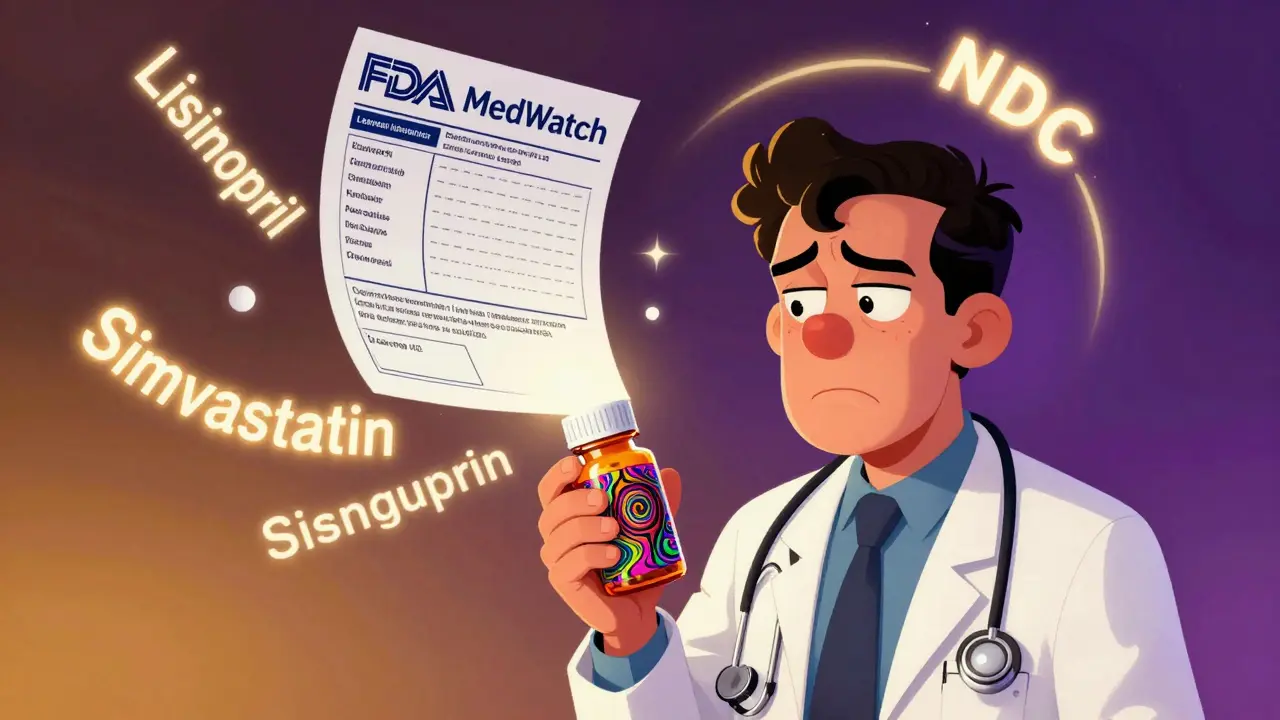
When a patient has a bad reaction to a generic drug, who do you report it to? And more importantly-do you even know how?
The truth is, serious adverse events (SAEs) from generic drugs are underreported. Not because doctors or pharmacists don’t care. But because the system is broken. Even though generic drugs make up 90% of all prescriptions filled in the U.S., they account for far fewer than 90% of safety reports. That gap isn’t just a statistic-it’s a blind spot in patient safety.
What Counts as a Serious Adverse Event?
A serious adverse event isn’t just a rash or a headache. The FDA defines it as any reaction that is:
- Life-threatening
- Results in death
- Leads to hospitalization or prolongs an existing one
- Causes permanent disability or significant loss of function
- Results in a birth defect
- Requires medical intervention to prevent one of the above
This applies to every drug-brand or generic. If a patient taking generic metoprolol goes into cardiac arrest, or someone on generic levothyroxine develops severe arrhythmia, it’s not just bad luck. It’s a signal. And signals need to be reported.
Who Is Responsible for Reporting?
Legally, the drug manufacturer must report serious and unexpected adverse events to the FDA within 15 days of learning about them. That’s the rule. But here’s the catch: the manufacturer of a generic drug often doesn’t even know the patient took their version.
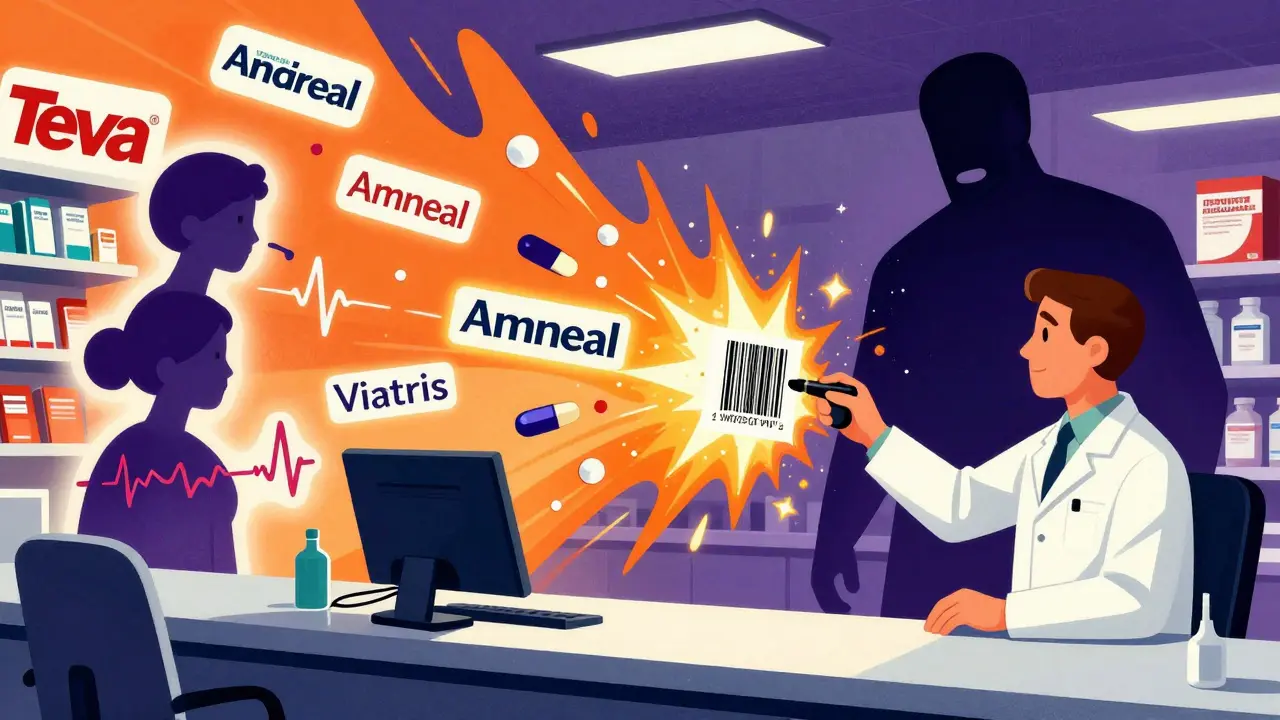
Pharmacies switch between generic suppliers all the time. One week, you get Teva’s simvastatin. The next, it’s Viatris. The label might say “Simvastatin 20 mg,” but the manufacturer’s name is printed in tiny font-often overlooked. Patients rarely know which company made their pills. And if they don’t know, neither does the doctor.
So who ends up reporting? Usually, the brand-name manufacturer. Even when the patient took a generic. Why? Because it’s easier. The brand name is on the label. The reporting form asks for it. So the doctor checks the box for the brand, even if it’s wrong. That’s not just inaccurate-it’s dangerous. It makes it look like the brand drug is causing more harm, when the real issue might be a specific generic manufacturer’s formulation.
The Reporting Process: MedWatch Form 3500
The official way to report is through the FDA’s MedWatch system. You can file online, by phone, or by mail using Form 3500. But here’s what you need to get right:
- Identify the drug correctly. Don’t just write “lisinopril.” Write “Lisinopril 10 mg, manufactured by Amneal Pharmaceuticals.”
- Specify it’s a generic. The form has a checkbox for “Generic Name.” Use it.
- Include the National Drug Code (NDC). It’s on the bottle. Sixteen digits. Unique to that manufacturer and batch.
- Describe the event clearly. When did it start? What symptoms? Did the patient improve after stopping the drug? Include dates, times, and clinical details.
- Don’t skip the patient’s age, sex, and medical history. These matter for pattern recognition.
It sounds simple. But in practice, it takes 45 minutes or more for a generic drug-compared to 15 minutes for a brand. Why? Because you’re digging through pill bottles, Googling NDC codes on DailyMed, calling the pharmacy to confirm the batch. That’s not just inconvenient. It’s a barrier.
Why Generic Drugs Are Underreported
There are three big reasons why serious reactions to generics get missed:
1. No clear manufacturer info on labels. The FDA doesn’t require manufacturer names to be printed in large, visible text. So patients don’t know. Pharmacists don’t always know. And when they do, they don’t always record it.
2. Smaller generic makers lack pharmacovigilance teams. Big brands like Pfizer or Merck have entire departments dedicated to safety monitoring. But many generic manufacturers are small. Some have one person handling safety, compliance, and billing. They don’t have the staff or software to track every report.
3. Healthcare providers get frustrated and give up. A 2019 FDA study found that 42% of providers abandoned reporting a generic drug reaction because they couldn’t figure out who made it. That’s nearly half of all potential reports lost.
The data backs this up. A 2018 NIH analysis of five common drugs-amlodipine, losartan, metoprolol, simvastatin, and levothyroxine-showed that even after generics took over 80% of the market, brand-name manufacturers still filed 68% of serious adverse event reports. That’s not how it should work. If 9 out of 10 people take the generic, 9 out of 10 reports should come from generics. They don’t.
What’s Being Done to Fix It?
The FDA knows this is a problem. In 2023, they launched FAERS 2.0, a new system that can link reports to specific NDC codes. That means if a pharmacist scans the barcode at the counter, the system can auto-fill the manufacturer name. Pilot programs with CVS, Walgreens, and Kaiser Permanente are already showing a 55% increase in accurate reporting.
Also in 2023, the FDA proposed new rules requiring all prescription labels to clearly display the manufacturer’s name-not just the generic drug name. This isn’t a suggestion. It’s coming. And it’s long overdue.
Meanwhile, the Generic Drug User Fee Amendments (GDUFA III) are funding $15 million to help small generic manufacturers build better safety systems. That money is going toward software, training, and hiring pharmacovigilance staff. It’s a start.
What You Can Do Right Now
If you’re a doctor, pharmacist, nurse, or even a patient-here’s what you can do to help fix the system:
- Check the pill bottle. Before you report a reaction, look for the manufacturer name and NDC code. It’s usually on the side or bottom of the bottle.
- Use DailyMed. Go to dailymed.nlm.nih.gov and enter the NDC code. It will tell you exactly who made the drug.
- Report even if you’re unsure. Better to report and be wrong than to stay silent. The FDA can sort it out.
- Ask your pharmacy to label generics clearly. If your pharmacy doesn’t print manufacturer names, ask them to. Demand it.
- Teach your team. If you work in a clinic or hospital, make sure everyone knows how to report a generic drug reaction. Don’t assume they do.
There’s a myth that generics are all the same. They’re not. Differences in fillers, coatings, or manufacturing processes can affect how a drug is absorbed. That’s why levothyroxine reactions are so common-patients switch brands and suddenly feel fatigued, shaky, or depressed. These aren’t psychosomatic. They’re pharmacological. And they need to be tracked.
The Bigger Picture
Generic drugs save the U.S. healthcare system over $300 billion a year. They’re essential. But safety can’t be an afterthought. If we don’t fix reporting, we risk missing early warnings of dangerous patterns-like the 2018 valsartan contamination that led to recalls across multiple generic makers. That crisis started with underreported reactions.
Right now, the system works well for brand-name drugs. It doesn’t work well for generics. And that’s not just unfair. It’s unsafe. The FDA’s tools are improving. But they need your input to work.
Next time you see a patient with a reaction to a generic drug-don’t assume it’s nothing. Don’t default to the brand name. Take the five minutes to find the real manufacturer. File the report. You might be the one who catches the next big safety issue before it hurts hundreds of people.
Do I have to report a serious adverse event if I’m not the manufacturer?
Yes. While manufacturers are legally required to report, healthcare providers and patients are strongly encouraged to report serious adverse events to the FDA through MedWatch. Your report helps fill gaps in safety data, especially for generic drugs where manufacturer reporting is often incomplete.
What if I don’t know which generic manufacturer made the drug?
Check the prescription bottle for the manufacturer name and National Drug Code (NDC). If it’s not visible, call the pharmacy and ask for the batch information. You can also look up the NDC on DailyMed (dailymed.nlm.nih.gov) to find the manufacturer. If all else fails, report the generic drug name and note that the manufacturer is unknown-the FDA can still use the data to spot trends.
Is it safe to switch between different generic manufacturers?
For most drugs, yes. But for drugs with narrow therapeutic indexes-like levothyroxine, warfarin, and some seizure medications-even small differences in absorption can cause problems. Patients on these drugs should try to stay with the same generic manufacturer. If a switch happens, monitor closely and report any new symptoms.
How long do generic manufacturers have to report adverse events?
In the U.S., generic manufacturers must report serious and unexpected adverse events to the FDA within 15 calendar days of becoming aware of the report. For fatal or life-threatening events, the initial report must be submitted within 7 days, followed by a full report within 8 more days.
Can patients report adverse events themselves?
Absolutely. Patients can file a MedWatch report directly on the FDA’s website. You don’t need a doctor’s note. Just provide details: the drug name (including manufacturer if known), symptoms, when they started, and any relevant medical history. Patient reports are vital-they often catch reactions doctors miss.
Next Steps: What Comes After Reporting?
After you file a report, it goes into the FDA’s FAERS database. It’s not a real-time alert system. But over time, patterns emerge. If five different people report the same reaction to the same generic manufacturer’s product, the FDA may investigate. That could lead to label changes, manufacturing audits, or even recalls.
Don’t expect a response. The FDA doesn’t contact reporters unless they need more information. That doesn’t mean your report didn’t matter. It means you’ve added a piece to a much larger puzzle.
And if you’re a healthcare provider, consider pushing for change in your workplace. Advocate for barcode scanning at the pharmacy counter. Push for training on generic drug reporting. Ask your hospital to include manufacturer information in electronic health records.
Safe drugs aren’t just about approval. They’re about what happens after they’re on the shelf. And right now, the system for generics is falling short. You can help fix it-one report at a time.
Carolyn Rose Meszaros
January 20, 2026 AT 13:21Just reported my mom’s levothyroxine crash last week-switched from Teva to Viatris and she went from fine to shaky, heart racing, zero energy. Took me 45 mins to find the NDC on the bottle, then another 20 to look it up on DailyMed. FDA form was a nightmare, but I did it. 🙏
Greg Robertson
January 21, 2026 AT 00:31My clinic just started scanning barcodes at the counter. Huge difference. We used to guess manufacturers all the time. Now we know exactly who made the pill. Even patients are asking, ‘Is this the same batch as last time?’ Crazy that it took this long.
Crystal August
January 21, 2026 AT 20:00Why are we even letting generic manufacturers get away with this? They’re cutting corners on fillers and coatings to save pennies, then acting like it’s not their problem. The FDA should shut down any company that can’t handle basic pharmacovigilance. This isn’t ‘oops’-it’s negligence.
pragya mishra
January 22, 2026 AT 06:12Here in India, we don’t even have NDC codes. Labels say ‘Generic Lisinopril’ and that’s it. Doctors just assume it’s fine. But I’ve seen patients collapse after switching brands. No one reports because no one knows how. This system is broken everywhere.
Edith Brederode
January 23, 2026 AT 08:06I just shared this with my whole pharmacy team. We’re making a one-pager for staff: ‘How to Report a Generic Reaction in 5 Steps.’ We’re putting it on the bulletin board. Small change, but if we stop one misreport, it’s worth it. 💪
Arlene Mathison
January 24, 2026 AT 03:44Look, I get it. Reporting sucks. But if your patient gets hospitalized because you didn’t write down the manufacturer name, you’re not just lazy-you’re part of the problem. I’ve seen it. A 72-year-old man with atrial fibrillation. Generic metoprolol. No NDC. No report. He died. That’s not a statistic. That’s your fault if you didn’t act.
Emily Leigh
January 25, 2026 AT 02:03Renee Stringer
January 25, 2026 AT 06:34Patients need to stop being so passive. If you’re on a critical drug, you owe it to yourself to know who made it. Don’t just swallow the pill and hope. Check the bottle. Ask questions. You’re not a victim-you’re a participant in your own care.
Courtney Carra
January 25, 2026 AT 08:49It’s funny how we treat drugs like they’re widgets. ‘Oh, it’s just lisinopril.’ But the body doesn’t care about the label-it cares about the chemistry. The fillers, the binders, the dissolution rate… those things matter. We’ve reduced medicine to a commodity, and now we’re surprised when people break.
Andy Thompson
January 26, 2026 AT 12:13Big Pharma doesn’t want you to know this, but generics are being made in China by factories with no inspections. The FDA’s in bed with them. They’re letting toxic batches slip through because ‘cost savings.’ That’s why your kid’s ADHD meds make him suicidal. It’s not the drug-it’s the poison in the pill. 🇨🇳💊
thomas wall
January 27, 2026 AT 02:44It is lamentable, indeed, that the regulatory apparatus has permitted such a systemic failure to persist. The absence of mandatory, legible manufacturer labelling on prescription containers constitutes a gross dereliction of duty. One cannot reasonably expect the layperson to be a pharmacologist. The onus must rest upon the industry and its overseers-not the patient.
Shane McGriff
January 28, 2026 AT 23:35Carolyn, I’m so glad you reported your mom’s reaction. That’s exactly the kind of action that changes things. And Greg, your clinic’s barcode system? That’s the future. If you’re a provider, don’t wait for the system to fix itself. Start small. Talk to your pharmacist. Print a checklist. Teach your interns. We’re not powerless here. Every report, every label, every conversation-it adds up.