Sugar Intake and Diabetes Medications: A Guide to Balancing Diet and Pills
Imagine spending weeks adjusting your medication dosage, only to find your blood glucose readings stubbornly staying high. It’s frustrating, isn’t it? You are taking the right pills at the right time, yet your body is telling you something else is missing. For many people managing Type 2 diabetes, the missing piece isn’t a new prescription-it’s the plate in front of them.
Medications like Metformin a first-line pharmaceutical treatment designed to improve insulin sensitivity were built to work in tandem with food choices, not replace them. When you consume excessive sugar, especially refined sugars and sugary drinks, you create a glucose flood that these medications cannot manage on their own. Understanding this partnership is the difference between watching your levels stabilize or seeing them spiral out of control.
How Your Body Processes Sugar vs. Medication
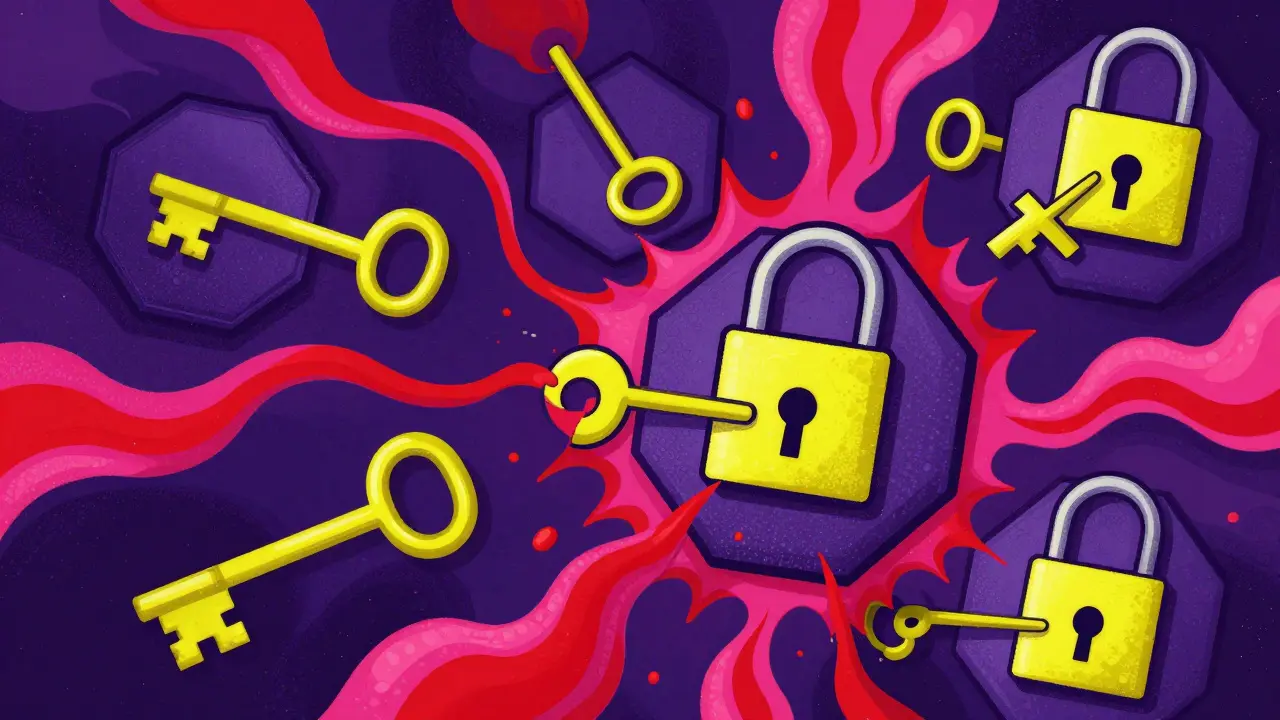
To grasp why diet impacts your drug regimen, we have to look at the mechanics inside your body. Think of Insulin the hormone responsible for moving glucose from the blood into cells as a key that unlocks your cells so energy can get in. In Type 2 diabetes, those locks are jammed (resistance), or you don’t have enough keys.
Most diabetes treatments operate in one of two ways. First, some drugs lower the production of glucose by your liver. Second, others help your body use the insulin you already produce more efficiently. However, none of them are magic wands that can dissolve every gram of sugar you swallow instantly. If you drink a soda containing 40 grams of sugar, you are asking your pancreas and liver to do the heavy lifting immediately. Even with the help of medication, that sudden surge can overwhelm your system.
This is where the concept of Glycemic Load a measure of how much a food raises blood sugar levels based on quantity and quality becomes critical. High-glycemic foods spike your blood sugar quickly, forcing your medication to work overtime. Over time, this stress reduces the overall effectiveness of your treatment plan, often requiring higher doses to achieve the same result.
The Metformin-Sugar Relationship Explained
Metformin is the backbone of treatment for millions of people globally. It works primarily by stopping your liver from releasing too much stored sugar into the bloodstream. But its efficiency relies heavily on what you eat around the time you take it.
Here is a specific problem many face: gastric emptying. Research indicates that high-fat and high-sugar meals can delay the rate at which your stomach empties its contents into your small intestine. Since Metformin absorption the process by which the medication enters the bloodstream happens in the intestine, a delay means your blood concentrations of the drug peak later or lower than intended. This gap leaves you vulnerable to a blood sugar spike before the medication fully kicks in.
Furthermore, clinical data suggests that consuming more than 100 grams of added sugar daily can actually necessitate higher doses of Metformin to maintain the same level of control. Essentially, your sugar intake is fighting against your medication’s ability to regulate your baseline glucose levels. You aren't just eating carbs; you are diluting the potency of your therapy.
Risks of Combining Specific Meds with Sugar
Not all diabetes drugs carry the same risks when mixed with poor dietary habits. Some medications actively stimulate your body to release more insulin regardless of whether you need it. These include Sulfonylureas a class of oral medications that stimulate the pancreas to produce more insulin (like glyburide) and meglitinides.
If you take a sulfonylurea but skip a meal or have very little carbohydrate, you risk Hypoglycemia dangerously low blood sugar levels. Conversely, if you have a massive, sugar-loaded meal, you might trigger a "rebound" effect. Your blood sugar spikes high after eating, then crashes hard hours later because the drug forced your pancreas to overcompensate.
Clinicians report that patients on these specific drugs who maintain consistent carbohydrate intake-limiting variation between meals to less than 15 grams-experience significantly fewer hypoglycemic episodes compared to those with erratic eating patterns. Consistency is king here. You are effectively training your pancreas to expect a certain load and prepare accordingly.
What to Avoid While Taking Diabetes Meds
Avoiding sugar doesn't mean eliminating sweetness forever, but you do need to identify the culprits that sabotage your care. Clinical guidelines typically highlight specific categories that offer the least nutritional value but the highest metabolic impact.
- Sugary Beverages: Soft drinks, fruit punches, and sweetened coffees deliver sugar faster than any solid food. A single serving can contain 35 to 50 grams of pure sugar, bypassing natural chewing digestion mechanisms.
- High-GI Fruits: While fruit is generally healthy, certain varieties like mangoes and dried fruits concentrate sugar. Large portions of these can rival a candy bar in terms of glucose impact.
- Processed Foods: Granola bars, flavored yogurts, and breakfast cereals often hide sugar under names like dextrose, sucrose, or maltose. Read the label; if the total carbohydrates per serving exceed 15 grams, pause and consider if you truly need that amount.
- Alcohol: Sweetened cocktails are a trap. Alcohol can cause both hypoglycemia initially and hyperglycemia later as the liver prioritizes metabolizing the alcohol over controlling your blood sugar.
The National Health Service (NHS) notes that monitoring is essential. If you do indulge in a treat, you may need to monitor your blood sugar every two hours for six hours afterward to catch unexpected excursions.
Monitoring Your Progress Effectively
Guesswork leads to poor control. Relying on memory about what you ate is rarely accurate. Modern tools provide the feedback loop necessary to see exactly how your body reacts to specific sugar loads while on medication.
Continuous Glucose Monitoring (CGM) wearable devices that track blood glucose levels continuously devices are changing the game. These sensors show you the real-time curve of your glucose response. Studies utilizing CGM data reveal that patients tracking their carb intake consistently spend significantly less time in hyperglycemia compared to those who do not. Seeing a graph spike after a specific pizza delivery gives you immediate visual proof of what needs to change.
Another vital metric is HbA1c a blood test measuring average blood sugar over the past three months. While CGM shows day-to-day fluctuations, HbA1c gives the long-term picture. Patients receiving structured dietary counseling alongside medication tend to reach target HbA1c levels roughly five months faster than those on medication alone. This proves that combining nutrition therapy with pharmacology accelerates results.
Navigating Lifestyle Changes Safely
Making these changes shouldn't happen in isolation. There are safety protocols you must follow, particularly regarding kidney function. Lactic Acidosis a rare but serious complication associated with Metformin use remains a concern for individuals with compromised kidney function who also consume high amounts of sugar. A study of clinical guidelines highlights that renal impairment combined with high sugar diets increases the incidence of this condition significantly.
Before making drastic changes to your diet, consult with your healthcare team. They can check your eGFR levels to ensure it is safe to combine your specific medication regimen with your desired lifestyle adjustments. Sometimes, a slight adjustment to the timing of your medication relative to your meals makes a bigger difference than adding a new pill.
Does Metformin stop working if I eat sugar?
Metformin does not stop working entirely, but its efficacy decreases significantly when you consume large amounts of added sugar. You essentially require a higher dose to achieve the same blood sugar control, which can lead to tolerance issues over time.
Which diabetes medication requires the most consistent eating schedule?
Sulfonylureas, such as glipizide or glyburide, require the most consistency. Because they stimulate insulin release directly, skipping meals or having irregular carbohydrate intake puts you at high risk for severe hypoglycemia.
Can I still eat fruit on diabetes meds?
Yes, whole fruits are generally safe, but portion control matters. Berries and apples are better choices than tropical fruits like mango or pineapple due to lower sugar density. Always pair fruit with protein or fat to slow absorption.
How does alcohol affect my diabetes medication?
Alcohol can interfere with your liver's ability to manage glucose. Sweetened drinks raise sugar quickly, while plain alcohol can drop it too low. It is best to limit intake and never drink on an empty stomach while on medication.
Why do I still have high readings if I am taking my pills?
If your medication isn't lowering your numbers, check your hidden sugar sources. Often, packaged foods and sauces contain added sugars that trigger spikes beyond what your current dosage can handle. Tracking via a Continuous Glucose Monitor (CGM) can pinpoint the exact culprit.
James DeZego
March 31, 2026 AT 20:41It is vital to understand how your liver processes these drugs before you even touch a pill bottle. Many folks overlook the timing aspect which is actually more crucial than the dosage itself often enough. When sugar enters the system rapidly the medication has to work overtime without any warning signs. You need to track every gram of added sweetener to see the real impact on your numbers. Skipping meals can cause crashes that are just as dangerous as high spikes in this specific condition. Consistency is the key factor that allows the insulin sensitivity to remain stable throughout the day. We often forget that processed snacks hide dextrose under names we do not recognize easily. Reading labels should become a mandatory part of every single shopping trip going forward from now. Alcohol remains a tricky variable because it interferes with the liver functions directly involved here. Drinking on an empty stomach while on metformin is never a recommended strategy for anyone. Your kidneys also need monitoring because lactic acidosis is a rare but serious complication indeed. eGFR levels provide the data needed to ensure safety during these lifestyle adjustments. Continuous glucose monitors give visual proof that memory alone cannot provide accurately ever. Seeing the spike on the graph makes you realize why that pizza delivery was a bad idea. Combining nutrition therapy with pharmacology accelerates results much faster than pills alone could possibly do :) :)
Callie Bartley
April 1, 2026 AT 00:12Most people just want a magic cure instead of fixing their eating habits properly though.
Russel Sarong
April 2, 2026 AT 01:53This really hits home!!! The connection between diet and drug efficacy is absolutely stunning!!! It changes everything!!! You cannot ignore the blood sugar spikes anymore!!!! The mechanics described above are truly fascinating and terrifying at the same time!!!!! Everyone needs to wake up to this reality right now!!
Arun Kumar
April 2, 2026 AT 23:23We need to look at this from a global perspective where food culture plays a huge role. Many traditional diets are high in carbs but balance them with spices that slow absorption. It is not just about stopping sugar but understanding what replaces it in our daily plates. Community support helps individuals stick to these necessary dietary changes over the long term. Families who cook together tend to monitor portion sizes better than those eating alone. Sharing recipes for low glycemic meals can empower many members of the neighborhood. Patience is required because old habits die hard especially regarding festive foods. Health outcomes improve when education is delivered with empathy rather than judgment alone. Let us encourage one another to make small adjustments instead of drastic overhauls suddenly.
Cara Duncan
April 3, 2026 AT 17:39Absolutely love this point on community support! 🥰 Cooking together makes such a difference for sure! 😊 Low glycemic recipes sound amazing to try next week! 💪 We can definitely help each other stay on track! 🌟
Christopher Beeson
April 4, 2026 AT 00:41The pharmaceutical industry profits heavily when patients fail to manage their own lifestyle choices effectively. Society pushes sugary products while marketing drugs as the ultimate solution to the problem they created. People are conditioned to believe pills fix biological flaws without addressing root causes of inflammation. This cycle keeps healthcare costs skyrocketing for everyone involved inevitably. True autonomy requires rejecting the notion that medication replaces fundamental metabolic needs. We analyze these systems critically to protect ourselves from becoming statistics eventually.
Sharon Munger
April 4, 2026 AT 12:32i agree with the critique on systemic issues but personal responsibility still matters most in my opinion
Owen Barnes
April 6, 2026 AT 02:06Medecation timing is crucial when dealing with suger intake daily. Patients must be aware of gastric emptying delays caused by fats. Kidney function tests should be done regulaly to prevent bad outcomes later. Follow medical guidance closely and dont skip the safety checks needed for renal health. Safety first always. Hope this helps someone avoid complications soon.