Tinnitus Retraining Therapy Guide: Habituation and Sound Therapy Explained
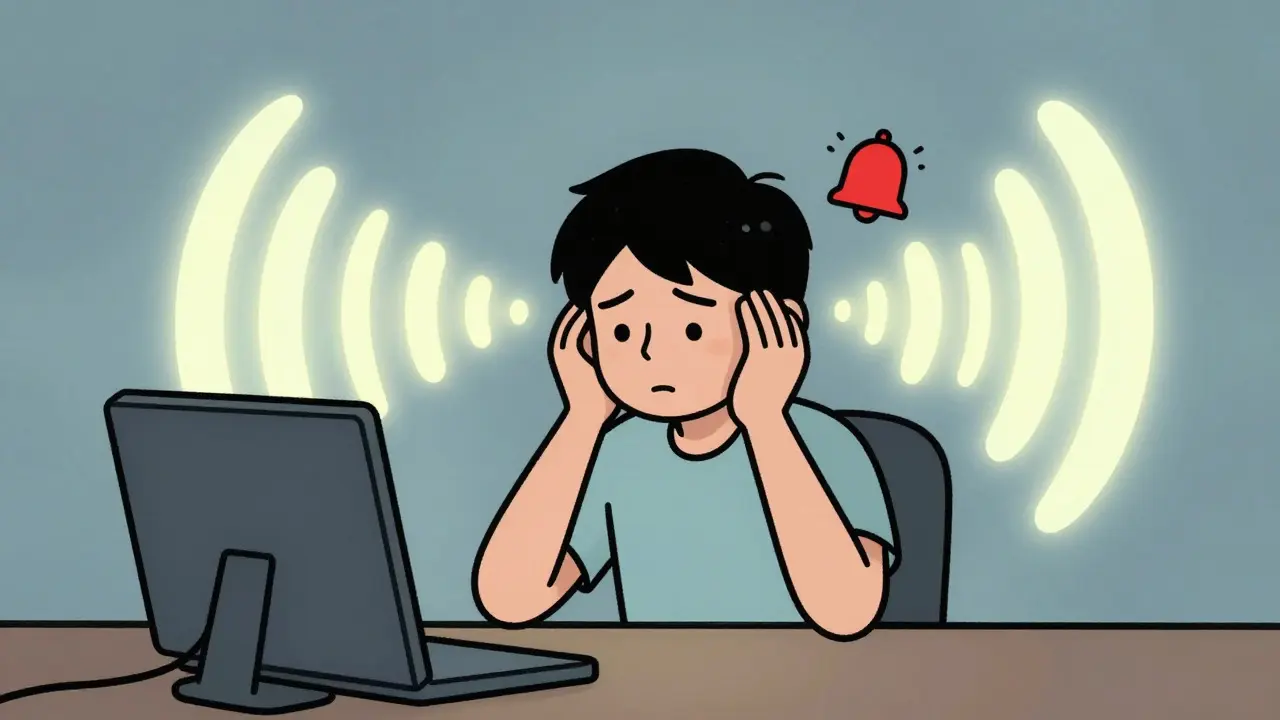
Imagine waking up to a constant hum in your ears that never stops. For millions of people, this isn't just an annoyance; it's a daily battle for focus and peace of mind. Tinnitus Retraining Therapy (TRT) is a specialized approach designed not to silence the noise completely, but to teach your brain to ignore it. Developed by Dr. Pawel Jastreboff at the University of Maryland in the early 1990s, TRT shifts the goal from elimination to habituation. This means training your nervous system to stop reacting negatively to the sound, allowing you to live a normal life despite its presence.
Unlike other treatments that focus on masking the sound or fixing hearing loss alone, TRT targets the root cause: the abnormal neural processing that makes tinnitus feel threatening. By combining structured counseling with specific sound protocols, it aims to break the cycle of distress. If you are considering this path, understanding how it works, what to expect, and who it suits best is crucial for setting realistic expectations.
What Is Tinnitus Retraining Therapy?
Tinnitus Retraining Therapy is a dual-component treatment methodology based on the neurophysiological model of tinnitus. The core idea is simple: tinnitus becomes a problem only when your brain tags it as dangerous. When you hear a strange noise, your brain checks if it’s a threat. If it is, you react. With chronic tinnitus, the brain keeps flagging the internal sound as a threat, triggering stress responses like increased heart rate and anxiety.
TRT intervenes in this process through two main pillars:
- Educational Counseling: Sessions where an audiologist explains the mechanics of your hearing and why the tinnitus isn't harmful. This helps reclassify the sound from 'threat' to 'neutral background noise.'
- Sound Therapy: Using low-level broadband sound to reduce the contrast between the tinnitus and the environment, making it less noticeable over time.
The ultimate goal is complete habituation. In successful cases, patients report being aware of their tinnitus only 5-15% of waking hours, compared to 80-100% before treatment. You might still hear it sometimes, but it no longer controls your mood or sleep.
The Science Behind Habituation
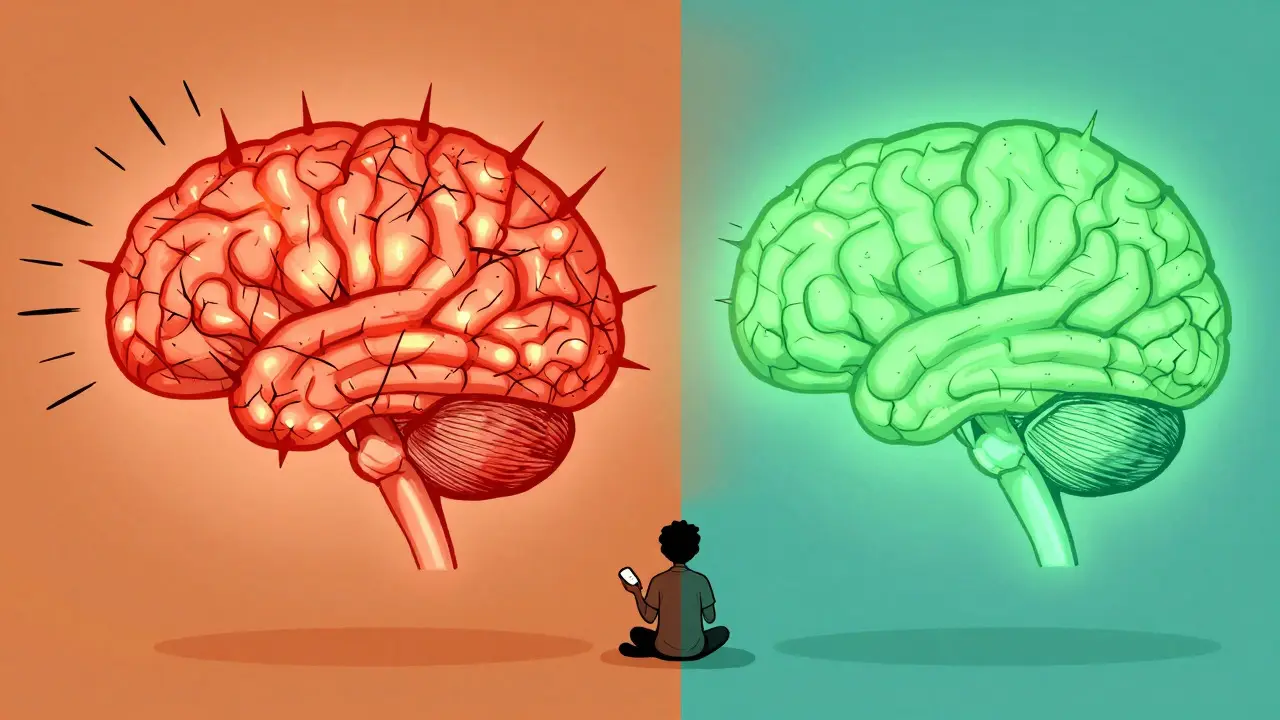
To understand why TRT works, you need to look at how the brain processes sound. Functional brain imaging studies from 2018 to 2020 confirmed that people with tinnitus often have increased connectivity between the auditory cortex and limbic structures, particularly the amygdala. The amygdala is the brain's alarm center. When it’s overactive regarding tinnitus, every instance of the sound triggers a stress response.
Habituation is the brain's natural ability to filter out unimportant, continuous signals. Think about the hum of an air conditioner. You notice it when you first walk into a room, but after ten minutes, it disappears from your conscious awareness. Your brain has decided it’s safe and irrelevant. TRT accelerates this natural process for tinnitus.
There are two types of habituation targeted by TRT:
- Habituation of Reaction: This is the primary goal. It means you can hear the tinnitus, but you don’t feel angry, anxious, or frustrated by it. Your physiological stress markers return to normal.
- Habituation of Perception: This is the secondary outcome. Over time, the tinnitus itself may fade into the background so much that you rarely notice it unless you actively listen for it.
Research shows that measurable physiological changes occur during treatment. A 2019 study found that after 12 months of TRT, patients showed a 3-5 dB increase in minimal masking levels. This indicates that the subconscious auditory pathways are becoming better at blocking the tinnitus signal, proving that neural plasticity is indeed happening.
How Sound Therapy Works in TRT
Sound therapy in TRT is different from simply using white noise apps. It follows a strict protocol designed to lower the 'signal-to-noise ratio' of your tinnitus within the auditory system. The aim is to decrease the contrast between the tinnitus-related neuronal activity and the background activity.
The standard protocol involves listening to constant, low-level broadband sound for 6-8 hours daily during waking hours. The intensity is carefully calibrated to be just below the loudness level of your tinnitus. If the sound is too loud, it masks the tinnitus but doesn't help habituation. If it’s too quiet, it does nothing. It needs to be subtle enough that you forget it’s there, which encourages your brain to ignore both the external sound and the internal tinnitus.
Delivery methods vary based on your hearing status. TRT categorizes patients into four groups:
| Patient Group | Hearing Status | Tinnitus Awareness | Recommended Device |
|---|---|---|---|
| Group 1 | Normal Hearing | Present | Ear-level sound generator only |
| Group 2 | Hearing Loss | Absent in quiet | Hearing aids only |
| Group 3 | Hearing Loss | Present | Hearing aids + sound generator |
| Group 4 | Decreased Sound Tolerance | Variable | Specialized hyperacusis/misophonia protocol |
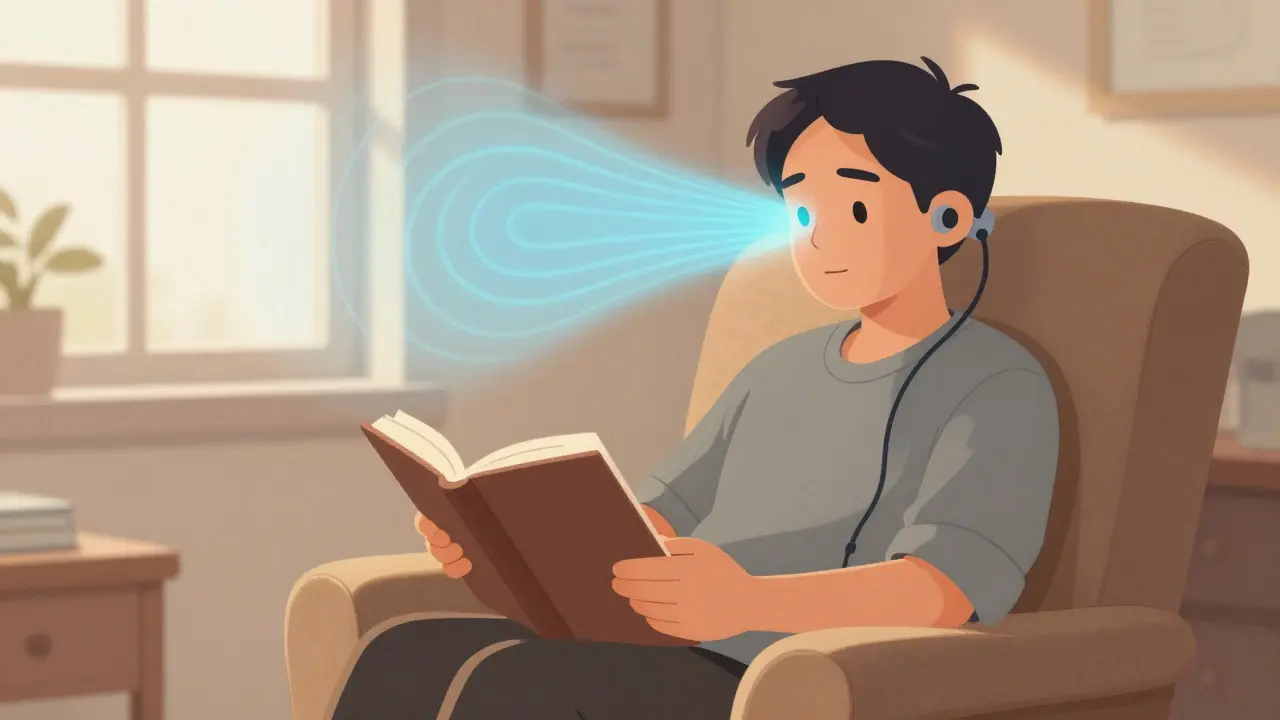
For those with normal hearing, small ear-level devices called sound generators are used. They produce a soft, pleasant tone or broadband noise. For those with hearing loss, modern hearing aids often include built-in sound enrichment features that serve the same purpose. The key is consistency. Missing days can slow down the neural retraining process.
The Role of Educational Counseling
While sound therapy handles the auditory side, counseling addresses the emotional and cognitive side. According to clinical observations, counseling accounts for approximately 60-70% of TRT's efficacy. Without proper education, patients often remain anxious about the sound, which prevents true habituation.
Counseling sessions are individualized and typically last 60-90 minutes. During these appointments, audiologists use anatomical models to explain how hair cells in the cochlea work and how efferent neural fibers regulate gain. They demystify tinnitus by explaining that it is a phantom perception, similar to phantom limb pain, rather than damage to the ear itself.
The schedule for counseling is intensive at first. Patients usually meet monthly for the first three months, then at 6, 9, 12, 18, and 24 months. These sessions track progress, adjust sound levels, and reinforce the new mindset. The goal is to extinguish the negatively learned response. When you no longer view tinnitus as a sign of disease or impending doom, your brain stops allocating resources to monitor it.
Effectiveness and Clinical Outcomes
Does TRT actually work? The data suggests yes, provided it is implemented correctly. A 2019 systematic review in the Journal of the American Medical Association Otolaryngology-Head & Neck Surgery found that TRT resulted in significantly greater improvements in Tinnitus Functional Index scores compared to standard care. At 12 months, the mean difference was -13.2 points, which is considered a clinically significant improvement.
Dr. Jonathan Hazell, co-developer of the neurophysiological model, notes that 75-85% of patients achieve significant improvement when the protocol is followed strictly. However, success depends heavily on the practitioner. A 2020 study in the International Journal of Audiology found that certified TRT practitioners achieved an 85% success rate, whereas non-certified providers using modified protocols saw only a 55% success rate.
This highlights a critical point: not all 'tinnitus counseling' is TRT. True TRT requires specific training and adherence to the original protocol. The American Tinnitus Association acknowledges TRT as one of only two evidence-based approaches with Level A evidence, alongside Cognitive Behavioral Therapy (CBT). Yet, implementation challenges remain, with only 15-20% of audiologists certified in proper TRT delivery according to a 2021 provider survey.
Cost, Duration, and Accessibility
Committing to TRT is a long-term investment in your quality of life. Treatment typically spans 12-24 months. The initial phase is intensive, requiring regular clinic visits and daily sound therapy. After the first year, visits become less frequent as habituation sets in.
In the United States, costs can range from $2,500 to $4,000 for the full course of therapy. This includes counseling fees and the cost of sound generators or hearing aids, which can range from $500 to $1,200 per device. In the UK and Europe, some components may be covered by national health services, though private certification programs may still incur costs.
Accessibility has improved recently. The Jastreboff Foundation launched a telehealth certification program in 2021, allowing patients in remote areas to receive TRT via video calls. This is particularly helpful for those who cannot travel to specialized centers. Additionally, emerging research is exploring combining TRT with neuromodulation techniques like transcranial magnetic stimulation. Preliminary results from a 2023 randomized controlled trial showed 92% improvement rates at six months for the combination therapy, compared to 78% for TRT alone.
Who Should Consider TRT?
TRT is not a quick fix. It requires patience, discipline, and trust in the process. It is best suited for individuals who:
- Have chronic tinnitus that interferes with daily life.
- Are willing to commit to 6-8 hours of daily sound therapy.
- Can attend regular counseling sessions for at least a year.
- Prefer a neurological approach over purely symptomatic relief.
If you struggle with severe depression or anxiety unrelated to tinnitus, CBT might be a better starting point, or TRT could be combined with CBT. For those with very recent onset tinnitus (less than 6 months), spontaneous resolution is possible, so doctors may recommend monitoring first. However, for persistent cases, TRT offers a structured path to reclaiming your mental peace.
Frequently Asked Questions
Will TRT make my tinnitus disappear completely?
Not necessarily. The primary goal of TRT is habituation, not elimination. Many successful patients still hear their tinnitus occasionally, especially in quiet environments, but they no longer experience negative emotions or physiological stress reactions to it. For some, the perception does fade significantly over time, but ignoring the sound is the guaranteed outcome of successful treatment.
How long does Tinnitus Retraining Therapy take to show results?
Most patients begin to notice reduced distress within 3 to 6 months of consistent treatment. Full habituation typically takes 12 to 24 months. The first few months are the most challenging as you adjust to the sound therapy and counseling routine. Patience is essential, as neural plasticity takes time to rewire the brain's response to the tinnitus signal.
Is TRT better than Cognitive Behavioral Therapy (CBT)?
Both are evidence-based treatments with strong outcomes. TRT focuses on retraining the auditory and limbic systems through sound and education, while CBT focuses on changing thought patterns and coping strategies. Some patients benefit from a combination of both. TRT may be preferred if you want a more physiological approach to the problem, whereas CBT might be better if psychological distress is the primary issue.
Do I need special equipment for sound therapy?
Yes, TRT uses specific devices. If you have normal hearing, you will likely use a small ear-level sound generator. If you have hearing loss, your hearing aids will be programmed with sound enrichment features. These devices deliver low-level broadband sound specifically calibrated to your tinnitus profile. White noise apps can help, but they lack the precise calibration and professional monitoring inherent in the TRT protocol.
What happens if I miss a day of sound therapy?
Missing a single day won't ruin your progress, but consistency is key. The brain needs repeated exposure to the low-level sound to maintain the reduced contrast between tinnitus and background noise. Try to resume as soon as possible. If you frequently miss days due to discomfort or inconvenience, speak with your audiologist to adjust the sound level or type. Adherence is one of the biggest predictors of success.