Travel Letters for Controlled Medications: Airport and Customs Tips
Controlled Medication Travel Compliance Checker
Required Documentation
Medication Breakdown
| Medication | Daily Dose | Duration | Total Units | Risk Level |
|---|
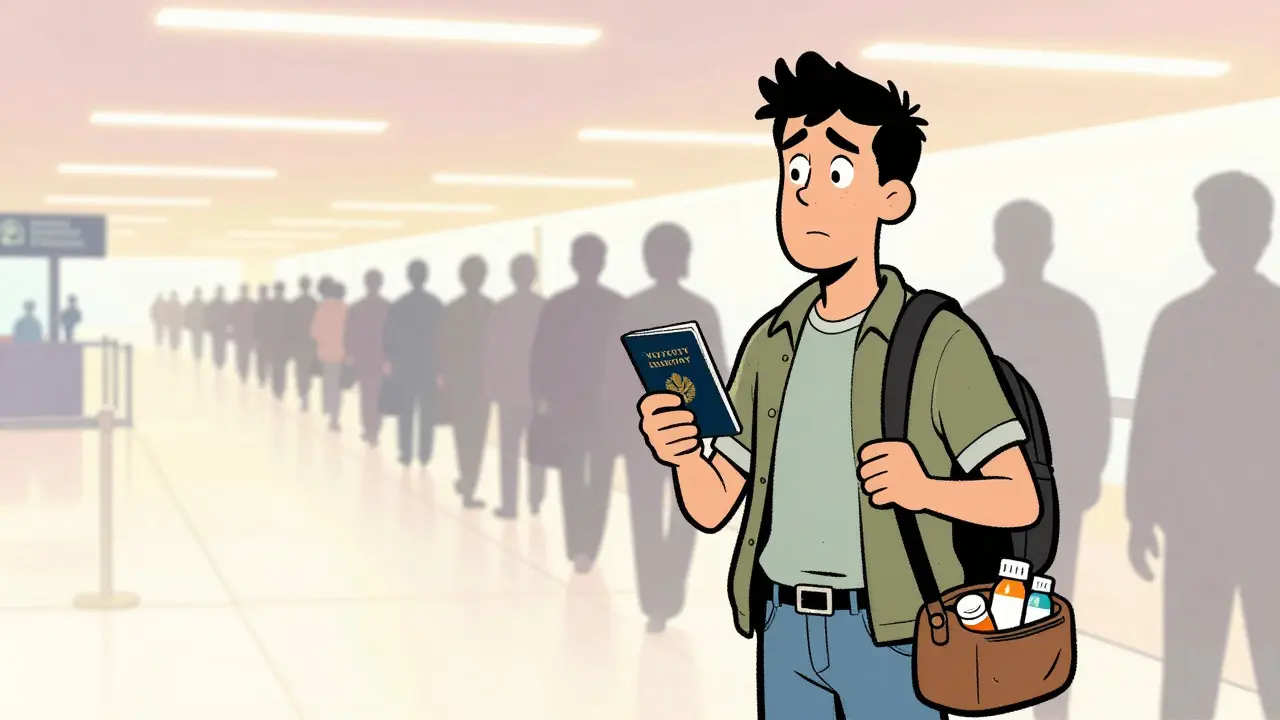
Imagine standing in a long line at immigration, clutching your passport and a bag of pills that could change your entire trip. For millions of travelers carrying controlled medications, this isn't just about convenience; it's about avoiding detention, confiscation, or worse. A simple piece of paper-a doctor's letter-can be the difference between a smooth entry and a two-hour headache with customs officers.
The rules vary wildly from country to country. What is legal in the UK might be illegal in Japan or the UAE. Without the right paperwork, even legitimate prescriptions can look like illicit drugs to border agents. This guide breaks down exactly what you need, where to get it, and how to present it so you breeze through security checks worldwide.
Why You Need a Travel Letter for Your Meds
Controlled substances are drugs with potential for abuse or dependence, such as opioids, stimulants, and sedatives. Because of this, governments keep a close eye on them. According to the CDC’s 2024 Yellow Book, travelers face a 23% medication confiscation rate when crossing borders without proper documentation. That’s nearly one in four trips going wrong due to missing paperwork.
A travel letter serves as proof that the medication is for personal use, prescribed by a real doctor, and not intended for resale. It bridges the gap between your prescription and the customs officer who may not speak your language or know your medical history. If you have a chronic condition requiring daily meds, this letter is non-negotiable. Even if you’re only traveling for a week, having a three-month supply requires justification, which the letter provides.
What Must Be Included in the Letter
Not every note from your GP will cut it. Border agencies look for specific details to verify authenticity. Here is the checklist based on FDA and INCB guidelines:
- Traveler’s Full Name: Must match your passport exactly. No nicknames or abbreviations.
- Medication Names: Include both the generic name (e.g., oxycodone) and brand name (e.g., OxyContin). This prevents confusion if the officer knows one but not the other.
- Dosage Strength and Frequency: State the milligrams per pill and how many you take per day. This helps calculate if your total quantity matches your trip duration.
- Medical Indication: Briefly explain why you need it (e.g., "for chronic pain management" or "for ADHD"). Avoid overly private details, but be clear enough to justify the drug class.
- Physician Details: The doctor’s full name, license number, clinic address, and phone number. A direct contact point is crucial if officials want to verify.
- Trip Duration: Specify the dates of travel. This supports the quantity of medication you are carrying.
Dr. Emily Carter, Chief Medical Officer at the CDC Travelers' Health Branch, notes that including these specific elements reduces border complications by 89%. It turns a vague bag of pills into a documented medical necessity.
Navigating Country-Specific Regulations
This is where most travelers stumble. One size does not fit all. While the US allows a 90-day supply with a prescription, other countries have stricter limits or outright bans.
| Country | General Rule for Controlled Meds | Specific Restrictions/Notes | Documentation Required |
|---|---|---|---|
| United States | Up to 90-day supply for personal use | Must be in original container. DEA registration required for prescriber if >50 dosage units of Schedule II. | Prescription copy + Doctor's Letter |
| Japan | Strict controls on psychotropics | Adderall (amphetamine/dextroamphetamine) often prohibited or requires special import certificate (Yakkan Shoumei). | Doctor's Letter + Yakkan Shoumei Certificate |
| United Kingdom | Up to 3 months' supply | Requires 'Controlled Drug Import Certificate' for narcotics if coming from outside EU/EEA. | Prescription + Import Certificate (if applicable) |
| Australia | Prior approval often needed | Schedule 8 substances (like morphine, fentanyl) require Therapeutic Goods Administration (TGA) approval before arrival. | TGA Approval Letter + Prescription |
For example, zolpidem (Ambien), a common sleep aid, is banned in some parts of the Middle East. Carrying it without knowing this can lead to arrest. Always check the specific embassy website of your destination country at least four weeks before departure.
Step-by-Step Preparation Guide
Don’t wait until the night before your flight. Start early to account for bureaucratic delays.
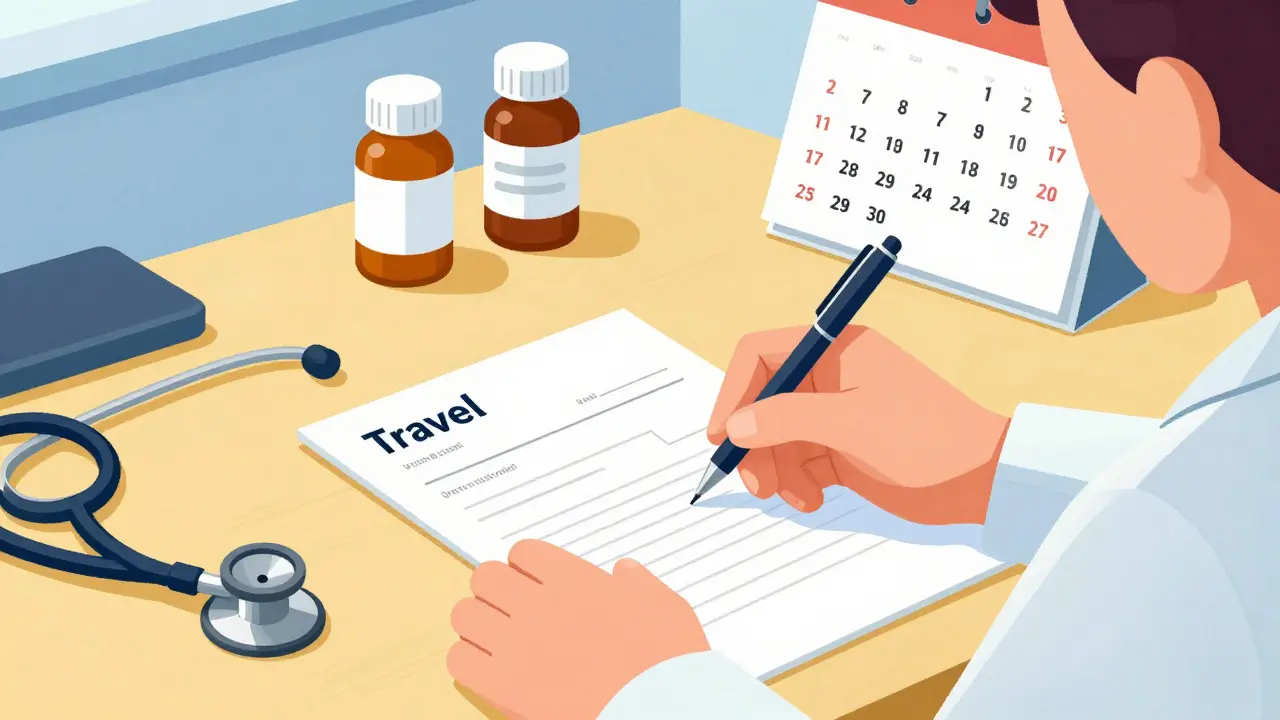
- Book Your Appointment Early: Schedule a visit with your prescribing physician 4-6 weeks before travel. Ask specifically for a "travel letter" or "letter for customs."
- Check Destination Rules: Visit the official embassy website or use resources like the IOMC (International Organization for Migration) or WHO travel guides. Note any banned substances.
- Prepare Original Containers: Keep meds in their original pharmacy bottles with labels visible. Repackaging pills into pill organizers is a major red flag. 53% of US customs issues stem from repackaged medications.
- Get Certified Translations if Needed: If your destination doesn't speak English, have the letter translated by a certified service. Costs range from $25 to $75 per document.
- Carry Copies Separately: Keep one copy in your carry-on, one in your checked bag, and one digital copy in your email/cloud storage. If one set gets lost, you still have backup.
Common Mistakes to Avoid
Even with good intentions, small errors can cause big problems. Here are the top pitfalls reported by travelers and experts:
- Mismatched Names: Your passport says "John Michael Smith," but the letter says "Johnny Smith." Fix this immediately.
- Missing Dosage Info: Just listing the drug name isn't enough. Officers need to know if you're carrying a week's worth or a year's worth.
- Ignoring Quantity Limits: Carrying six months of Adderall for a two-week vacation looks suspicious. Stick to the trip duration plus a small buffer.
- Assuming Airline Rules Apply Everywhere: Airlines have their own liquid restrictions, but customs has its own drug laws. They don't always align.
- Forgetting Return Trip Rules: Sometimes the rules for entering a country differ from leaving it. Check both directions.
A traveler named 'MedTraveler2023' shared a story on TripAdvisor about being detained for 47 minutes at JFK because they had 60 oxycodone tablets but no doctor's letter. The officer had to call the doctor live to verify the prescription. With a pre-prepared letter, that delay would likely have been zero.
Handling Security and Customs Checks
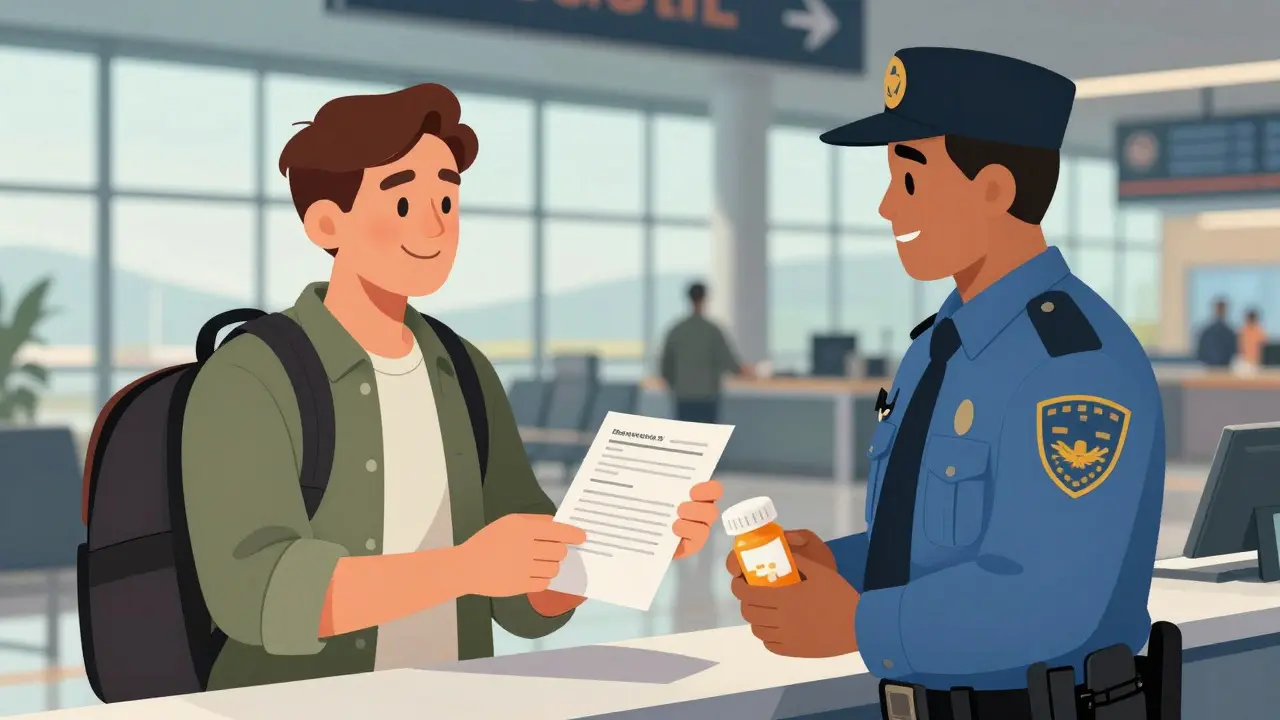
When you hit the checkpoint, stay calm and proactive. Don’t wait for them to ask about your meds if they look unusual. Pull out your letter and original bottle proactively. Say, "I’m carrying prescription medication for [condition], here is my doctor’s letter and the original packaging." If you are flying internationally, declare your medications if asked. Honesty is your best friend. If an officer seems confused, offer to let them call your doctor using the number on the letter. Most officers appreciate the transparency. Keep in mind that the International Narcotics Control Board (INCB) reports that 67% of medication-related border incidents involve opioids, sedatives, or stimulants. These are the highest scrutiny items. Having your documentation ready for these specific classes is critical.
Frequently Asked Questions
Do I need a travel letter for over-the-counter medications?
Generally, no, unless the OTC med contains a controlled ingredient like pseudoephedrine. In some countries, high doses of decongestants are restricted. If you are carrying a large quantity (more than personal use), a letter explaining your reason is wise.
Can I carry my medications in checked luggage?
It is safer to keep essential medications in your carry-on in case your checked bag is delayed or lost. However, ensure they are in original containers. Some countries require declaration of all meds regardless of where they are packed.
How much medication can I bring back home?
Rules depend on your home country. In the US, you can usually bring back a reasonable amount for personal use. In the UK, you generally need a prescription for anything not available locally. Always check your home country's import rules before returning.
Is a letter from my primary care doctor enough if the specialist prescribed the meds?
Ideally, the letter should come from the prescribing specialist. If your PCP manages your overall health, a joint letter or a referral note from the specialist is stronger. Ensure the letter explicitly names the prescriber if it differs from the signer.
What if I run out of meds while abroad?
This is a risk of under-packing. Carry a small buffer (e.g., 3-5 extra days). If you do run out, you may need to find a local doctor willing to prescribe a short-term supply, but this is not guaranteed for controlled substances in all countries.