Workplace Stress and Burnout: A Practical Guide to Prevention and Recovery
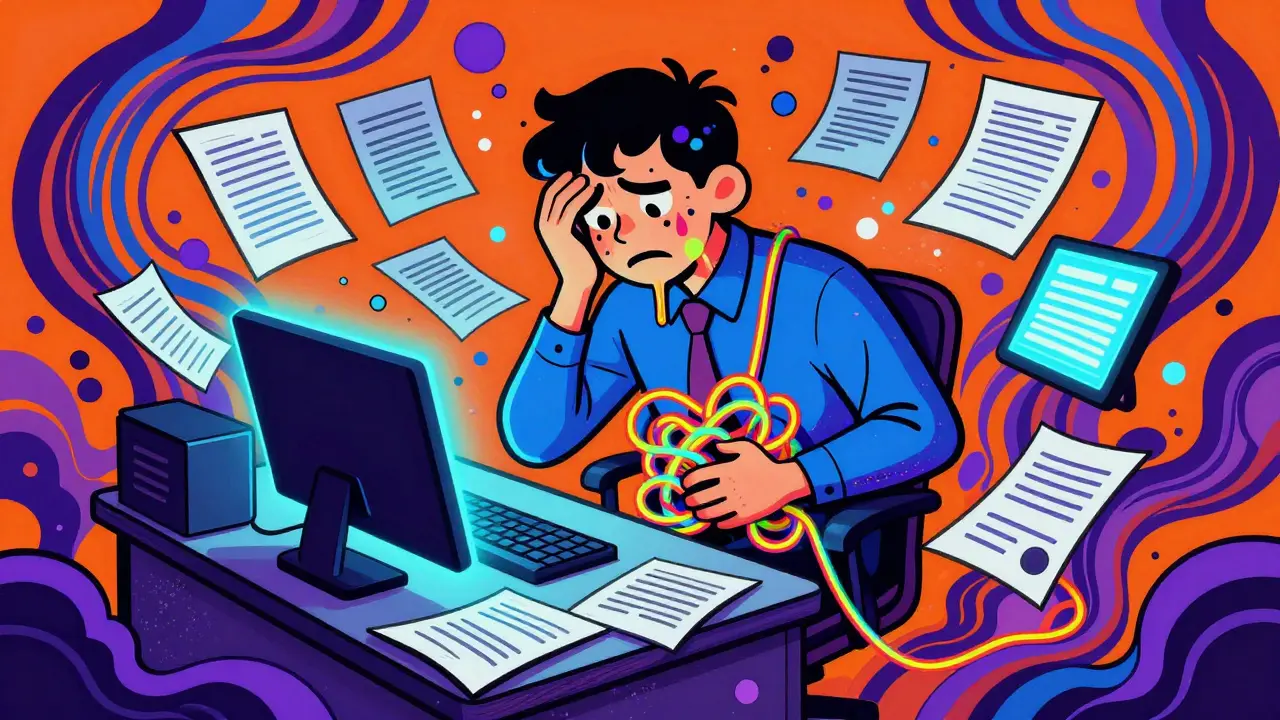
Imagine logging off for the day, only to feel a knot in your stomach that doesn't go away until you open your laptop again. You’re tired, cynical about your job, and convinced you aren’t doing a good enough job despite working harder than ever. This isn’t just having a bad week; it is likely burnout, defined by the World Health Organization (WHO) as an occupational phenomenon resulting from chronic workplace stress that has not been successfully managed.
Burnout is real, it is measurable, and it is costing businesses billions. According to Gallup’s 2023 State of the Global Workplace report, 44% of employees worldwide experienced considerable daily stress, with 23% reporting they were burned out very often or always. But here is the good news: burnout is preventable and recoverable. It requires shifting the focus from individual "self-care" hacks to systemic changes in how we work, manage, and recover.
Recognizing the Three Dimensions of Burnout
You cannot fix what you do not measure. The gold standard for identifying burnout is the Maslach Burnout Inventory (MBI), developed by Christina Maslach at UC Berkeley, which assesses three specific dimensions:
- Energy Depletion: Feeling physically and emotionally exhausted. Gallup data shows 63% of burned-out employees report chronic fatigue.
- Mental Distance (Cynicism): Developing negative feelings toward your job or colleagues. This often manifests as detachment or irritability.
- Reduced Efficacy: Feeling like your efforts don’t matter or that you are incompetent, even if you are performing well.
If you check these boxes consistently, you are not lazy or weak. You are experiencing a physiological response to unmanaged stressors. Other common signs include insomnia (affecting 42% of stressed workers per APA 2022 data) and impaired concentration (57%).
Why Individual Self-Care Is Not Enough
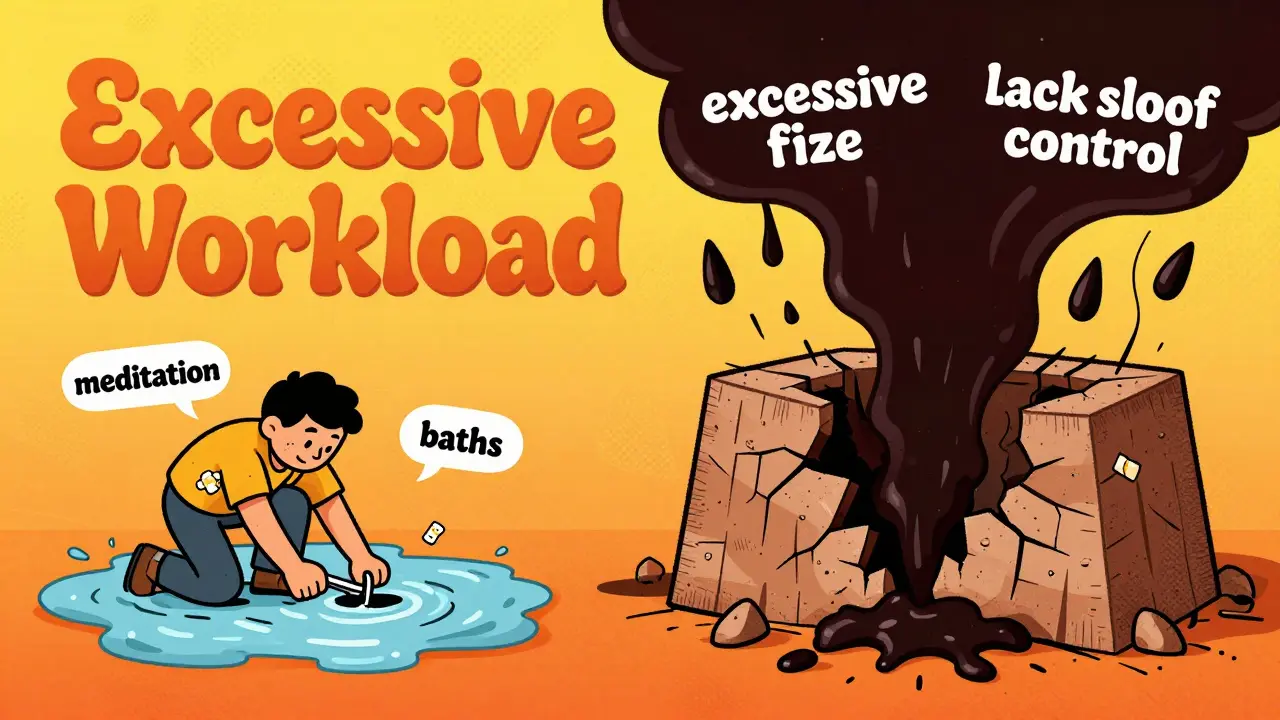
We have all heard the advice: "Take a bath," "Meditate," or "Eat healthier." While these help, they are band-aids on a bullet wound. Dr. Christina Maslach famously stated in a 2023 Harvard Business Review article that "burnout is not an individual failure but a systems failure."
The American Psychiatric Association’s meta-analysis of 127 studies found that self-care programs alone address only 20% of burnout causes. The remaining 80% stems from organizational issues identified in the Job Demands-Resources model:
- Excessive workload (cited by 67% of employees)
- Lack of control over work processes (49%)
- Insufficient rewards or recognition (42%)
- Breakdown of community support (38%)
- Absence of fairness in decision-making (34%)
To truly prevent burnout, organizations must tackle these root causes. This means implementing workload audits, ensuring fair compensation, and fostering psychological safety.
Prevention Strategies That Actually Work
Prevention happens at three levels: organizational, managerial, and individual. Here is how each plays a role based on recent data from Keystone Partners and Gallup.
Organizational-Level Interventions
Companies are starting to realize that wellness is a business priority, with $12.5 billion projected to be invested in workplace wellness by 2025. Effective strategies include:
- Quarterly Workload Audits: Gallup recommends reviewing workloads every quarter, not annually. This simple shift can prevent 78% of burnout cases related to excessive demands.
- AI-Assisted Distribution: Pilot programs at Salesforce and Microsoft using AI to balance task loads reduced burnout by 32%.
- Flexible Schedules: Pollack Peacebuilding found that "Work-from-Home Wednesdays" and flexible start times cut burnout rates by 27% by allowing employees to work during their peak productivity hours.
Managerial Impact
Your manager accounts for 70% of the variance in your engagement scores. Leaders who conduct five specific coaching conversations-focusing on strengths, purpose, wellbeing, growth, and recognition-see 41% lower burnout rates in their teams.
Additionally, restructuring 1:1 meetings to explicitly discuss mental health (as recommended by This is Calmer) leads to 28% higher retention. Managers must also enforce boundaries. Neurobloom Colorado found that "digital sunset" policies (automatic system shutdowns after hours) reduce after-hours communication by 31% and burnout by 26%.
Individual Boundary Setting
You have power too. Establishing clear work hours, such as no emails after 6:00 PM, lowers burnout risk by 39%. Try these tactics:
- Time-Blocking: Improves task completion by 28% and reduces burnout symptoms by 22%.
- Micro-Breaks: Take 5-10 minute breaks every 90 minutes. HBR research shows this boosts productivity by 13% while lowering burnout markers.
- Bookending Routines: A 2024 MIT study found that a 15-minute walk before and after work decreased stress by 22%.
| Strategy Level | Key Action | Measured Impact | Source |
|---|---|---|---|
| Organizational | Quarterly Workload Audits | Prevents 78% of demand-related burnout | Gallup 2023 |
| Managerial | Wellbeing-Focused 1:1s | 41% lower team burnout | Gallup 2023 |
| Individual | Digital Sunset / No Email After 6 PM | 39% lower burnout rate | APA 2024 |
| Cultural | High Psychological Safety | 47% less burnout | Spring Health 2024 |

A Structured Approach to Recovery
If you are already burned out, prevention tips won’t heal you immediately. You need a structured recovery plan. Gallup suggests a three-phase process:
- Recognition: Acknowledge the state. Use tools like the MBI or Q12 survey to identify severity.
- Intervention: Immediate workload adjustment. This might mean temporary role modification or reduced hours. Spring Health research shows that utilizing mental health benefits within 14 days of symptom onset leads to 82% faster recovery.
- Restoration: A structured return with protected time. Avoid jumping back into the same high-stress environment without changes.
Crucially, incorporate "strategic disengagement." The APA recommends complete digital detox periods of 48-72 hours, which show a 63% improvement in emotional exhaustion markers. During recovery, shift your focus from "to-do" lists to "accomplished" lists. Tracking completed work accelerates return-to-productivity timelines by 3.2 weeks, according to Keystone Partners.
The Future of Work: Predictive and Protective
The landscape is shifting from reactive to predictive. By late 2025, 65% of Fortune 500 companies are expected to use AI-driven systems to predict burnout by analyzing email patterns and calendar metrics with 82% accuracy.
We are also seeing the rise of the "boundary economy." Companies like Basecamp and Shopify are pioneering 4-day workweeks, a trend projected to grow from 12% to 37% of tech companies by 2025. Regulatory pressures are also mounting, with the EU’s Work-Life Balance Directive requiring "right to disconnect" laws, which have already reduced after-hours communication by 37% in France.
Recovery is not a luxury; it is a necessity for sustainable performance. Whether you are an employee setting boundaries or a leader redesigning workflows, the goal is the same: creating work environments where people can thrive without sacrificing their health.
What is the difference between stress and burnout?
Stress is characterized by an excess of activity, emotions, and tensions, often leading to physical ailments. Burnout, however, is characterized by feeling depleted, empty, and trapped. While stress makes you feel like there is too much happening, burnout makes you feel like nothing is happening. WHO defines burnout specifically as an occupational phenomenon involving exhaustion, cynicism, and reduced efficacy.
How long does it take to recover from burnout?
Recovery time varies, but Spring Health research indicates that seeking help within 14 days of symptoms leads to significantly faster results. On average, structured recovery programs incorporating gratitude practices and workload adjustments accelerate return-to-productivity timelines by 3.2 weeks compared to unstructured rest.
Can my employer force me to work if I am burned out?
Legally, this depends on local labor laws and whether burnout is classified as a disability or medical condition in your region. However, ethically and practically, forcing a burned-out employee to work leads to higher turnover and lower productivity. Many jurisdictions, like those in the EU under the 2023 Work-Life Balance Directive, are strengthening "right to disconnect" laws to protect employees from after-hours demands.
Is burnout covered by insurance or sick leave?
In many countries, severe burnout diagnosed by a healthcare professional can qualify for short-term or long-term disability benefits. In the US, it may fall under FMLA (Family and Medical Leave Act) if it substantially limits major life activities. Always consult with HR and a medical provider to understand your specific coverage options.
What are the best immediate steps to take if I suspect burnout?
First, validate your feelings using a tool like the Maslach Burnout Inventory. Second, implement immediate boundary-setting, such as turning off notifications after work hours. Third, seek professional support; Spring Health data shows that accessing mental health benefits within two weeks drastically improves recovery speed. Finally, communicate with your manager about workload adjustments.