Managing Patient Hesitation About Generics: Proven Communication Strategies for Pharmacists
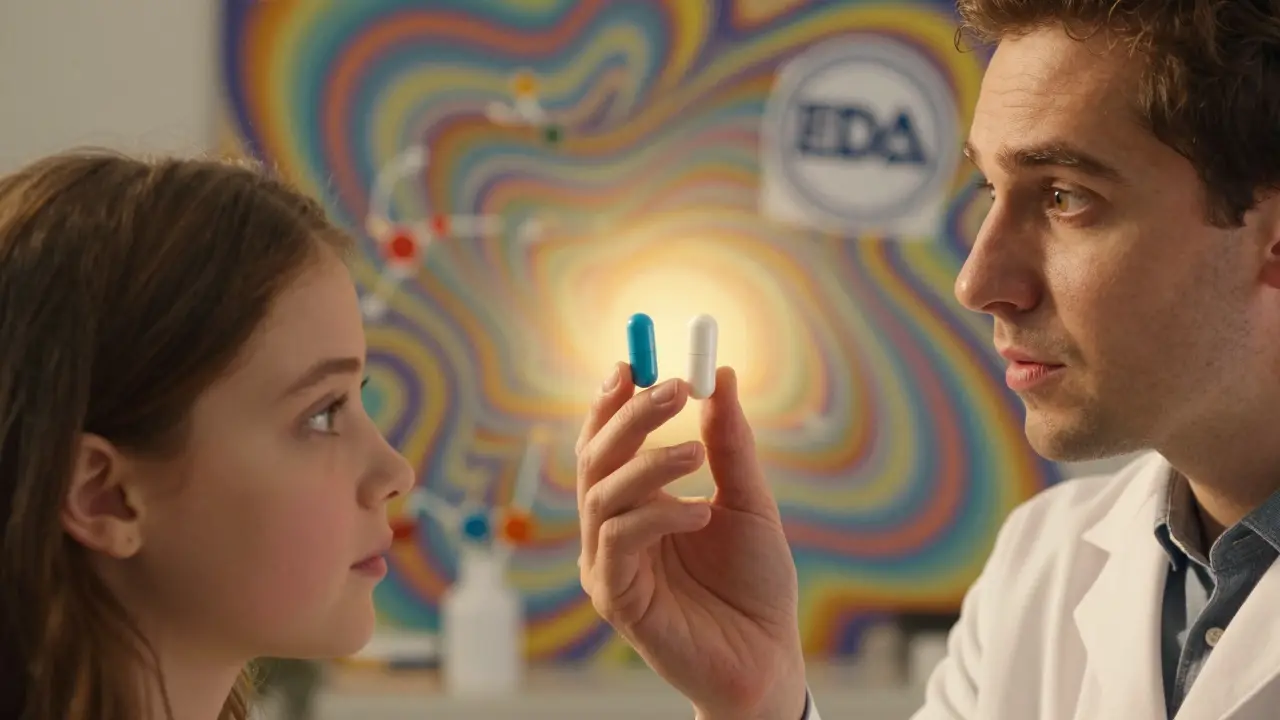
When a patient picks up a prescription and sees a pill that looks completely different from what they’re used to, it’s natural to pause. Maybe it’s a different color. Maybe it’s shaped like a rectangle instead of an oval. Maybe the name on the bottle is unfamiliar. That moment of hesitation isn’t just about appearance-it’s about trust. And when that trust is broken, patients stop taking their meds. That’s not just a pharmacy problem. It’s a public health issue.
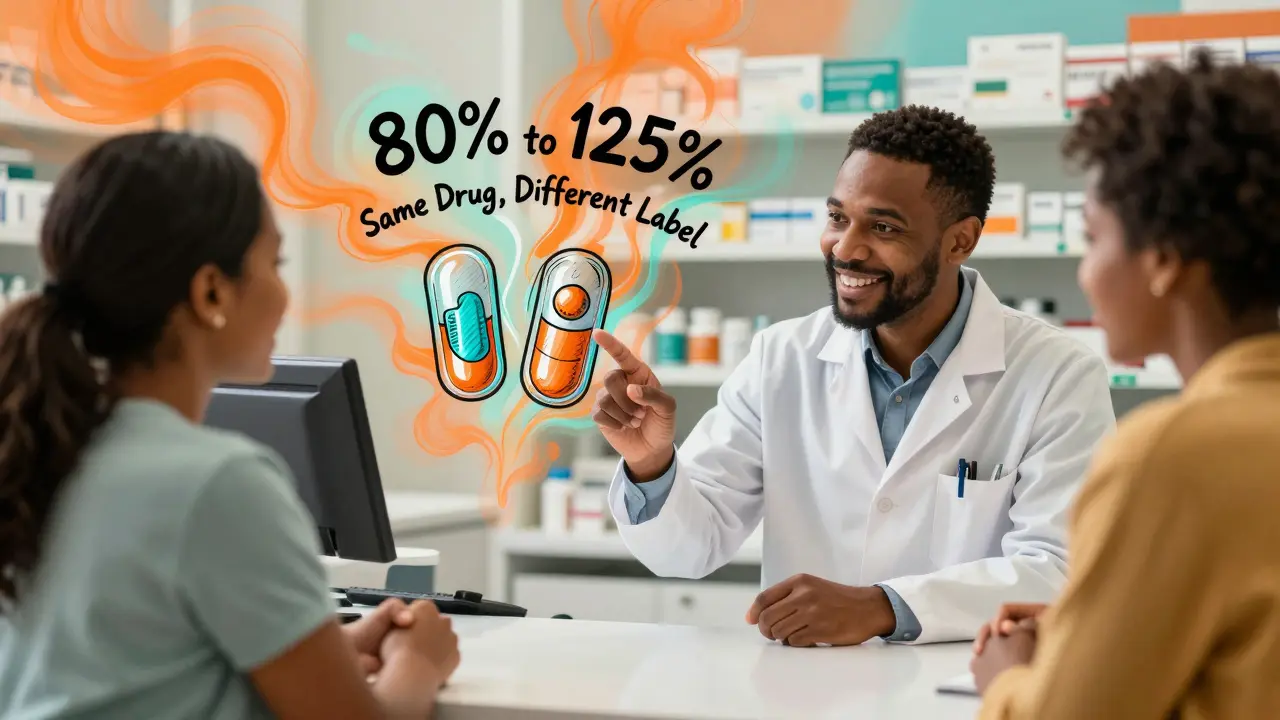
Here’s what we know: 27% of patients express concern about generic medications, according to a 2021 study in the Journal of the American Pharmacists Association. And it’s not because they’re stubborn. It’s because they’ve been fed misinformation. A 2022 FDA survey found that 43% of patients believe generics contain only 80% of the active ingredient. That’s not true. The FDA requires generics to deliver 80% to 125% of the brand-name drug’s effect in the bloodstream. That’s not a range of guesswork-it’s a strict, science-backed standard. But patients don’t know that.
Why Patients Doubt Generics
The fear isn’t irrational. It’s rooted in real experiences. A 2019 University of Michigan study found that 78% of patients worry about changes in pill appearance. One Reddit user wrote: “When my blue oval pill became a white rectangle, I thought it was a different medication entirely.” That’s not an outlier. It’s a pattern. Patients don’t confuse pills because they’re careless-they’re paying attention. And when no one explains the change, they assume the worst.
Then there’s the cost myth. Many assume that if a drug is cheaper, it must be weaker. But here’s the truth: generics cost less because they don’t carry the marketing, advertising, and patent protection fees of brand-name drugs. The active ingredient? Identical. The manufacturing? Just as regulated. The FDA inspects generic factories the same way it inspects brand-name ones. In fact, many brand-name drugs are made in the same facilities as generics-just under a different label.
And let’s not forget the timing. Too often, the conversation about generics happens at the pharmacy counter-after the patient has already seen the pill, after they’ve started to panic. By then, it’s too late. A 2022 FDA report showed that 89% of patients accept generics when they hear about the substitution at the time of prescribing. Only 63% accept it when they learn about it at the pharmacy.
The Communication Mistakes That Backfire
Some phrases are well-intentioned but damaging. Saying “It’s the same drug, just cheaper” might feel honest, but it plants a seed of doubt. A 2023 review in U.S. Pharmacist found that this exact phrase dropped generic acceptance to 31%. Why? Because it focuses on price, not quality. And when you talk about cost first, patients start to wonder: What are they hiding?
Another common mistake? Dismissing concerns. “Oh, don’t worry-it’s fine.” “It’s been used for years.” These responses shut down conversation. They don’t build trust. They make patients feel unheard. And when patients feel unheard, they disengage.
Even saying “It’s FDA-approved” isn’t enough. That’s a fact, not a connection. Patients aren’t looking for a government stamp. They’re looking for a reason to believe you.
What Actually Works: The Proven Frameworks
The most effective strategies don’t just inform-they engage. The Ask-Tell-Ask method is one of the most studied. First, ask: “What have you heard about this medication?” Let them talk. Then tell: “Here’s what the FDA requires for generics to be approved.” Finally, ask again: “Does that make sense? Is there anything still unclear?” A 2020 study in the Journal of General Internal Medicine found this approach boosted acceptance from 42% to 68%.
Another powerful tool is the VALUE technique:
- Validate concerns: “It’s completely normal to notice the difference in how the pill looks.”
- Acknowledge feelings: “I’d feel the same way if I were switching pills for the first time.”
- Listen actively: Don’t interrupt. Let them finish.
- Understand perspective: “You’ve been on the brand for years-that’s a long time to build trust with a pill.”
- Educate with empathy: “This generic has the exact same active ingredient. The only difference is the name on the bottle.”
Studies show this method leads to 76% acceptance-far higher than standard counseling.
One of the most surprising findings? Personal endorsement. When providers say, “I prescribe this generic for my own family,” acceptance jumps by 37 percentage points. Why? Because trust isn’t built on data alone. It’s built on shared humanity.
Visuals Change Everything
Words alone aren’t enough. A 2022 Healthcare Hotline survey found that 68% of patients would accept generics if they could see side-by-side images of the brand and generic pills. Some pharmacies now use counter mats with photos of both versions. Others show short videos of the manufacturing process. The FDA’s 2023 “Generics Smart” toolkit includes 3D pill comparisons and virtual reality demos of quality control checks. In a pilot at 15 CVS locations, acceptance rose by 29% after patients saw these tools.
Even simple handouts help. A 2022 Kaiser Permanente study used “teach-back” methods-asking patients to explain the generic difference in their own words. Acceptance jumped from 54% to 81% across 12,000 patients. When people restate information in their own voice, they internalize it.
Who Should Say It-and When
It’s not just the pharmacist’s job. The best results come from teamwork. A 2022 American Medical Association report found that when both the prescriber and pharmacist talk about generics, acceptance hits 85%. The prescriber can say during the appointment: “I’m switching you to this generic because it’s just as effective and will save you money.” Then the pharmacist reinforces it: “Yes, and here’s why it’s safe.”
But timing matters. If the pharmacist waits until the patient walks up to the counter with a confused look, it’s already too late. The best approach? Proactive explanation. When the prescription comes in, the pharmacist says: “I noticed your medication is switching to a generic. Let me show you how it compares.” This proactive stance leads to 82% acceptance, versus 47% when reacting to concerns.
The Cost of Silence
Ignoring hesitation has real consequences. In one documented case, a patient stopped taking warfarin after receiving a generic without explanation. They didn’t realize it was the same drug. Weeks later, they were hospitalized for a blood clot. That’s not an anomaly-it’s preventable.
The financial cost is just as serious. Generics make up 90.9% of all prescriptions in the U.S., but account for only 22.9% of spending. That’s $313 billion saved every year. But when patients refuse generics because they’re scared, the system loses. The Generic Pharmaceutical Association estimates patient hesitation costs the healthcare system $8.2 billion annually in unnecessary brand-name prescriptions.
And now, the stakes are higher. Starting in 2024, Medicare Part D Star Ratings include “generic substitution acceptance rate” as a quality metric. Pharmacies that don’t address hesitation will see their ratings drop. That means fewer patients, less reimbursement, and more pressure.
What You Can Do Today
You don’t need a fancy toolkit to start. Here’s what works right now:
- Ask first. “What do you know about this medication?” Let them speak.
- Use the phrase: “This contains exactly the same active ingredient, just without the brand name marketing costs.” It’s more effective than saying “It’s cheaper.”
- Show a visual. Even a printed side-by-side photo of the brand and generic helps.
- Share a personal story. “I give this to my mom. She’s been on it for three years and feels just fine.”
- Follow up. Use teach-back: “Can you tell me in your own words why this generic is safe?”
And if you’re pressed for time? Start small. One 3-minute conversation per patient can make a difference. The ACCP recommends 3-5 minutes per discussion. That’s not a luxury. It’s part of the job.
The goal isn’t to convince. It’s to connect. Patients don’t need a lecture. They need a guide. And when you treat them like partners-not problems-you don’t just increase generic acceptance. You build trust that lasts long after the prescription is filled.
Jamillah Rodriguez
February 3, 2026 AT 23:02Roshan Gudhe
February 5, 2026 AT 16:58Rachel Kipps
February 6, 2026 AT 23:21caroline hernandez
February 7, 2026 AT 19:29Keith Harris
February 9, 2026 AT 17:54Mandy Vodak-Marotta
February 9, 2026 AT 20:09rahulkumar maurya
February 11, 2026 AT 03:13Alec Stewart Stewart
February 12, 2026 AT 04:19Geri Rogers
February 12, 2026 AT 05:17Samuel Bradway
February 13, 2026 AT 23:52Caleb Sutton
February 15, 2026 AT 00:17pradnya paramita
February 15, 2026 AT 18:00Janice Williams
February 17, 2026 AT 14:19