Measuring Education Effectiveness: Tracking Generic Understanding in Patient Care
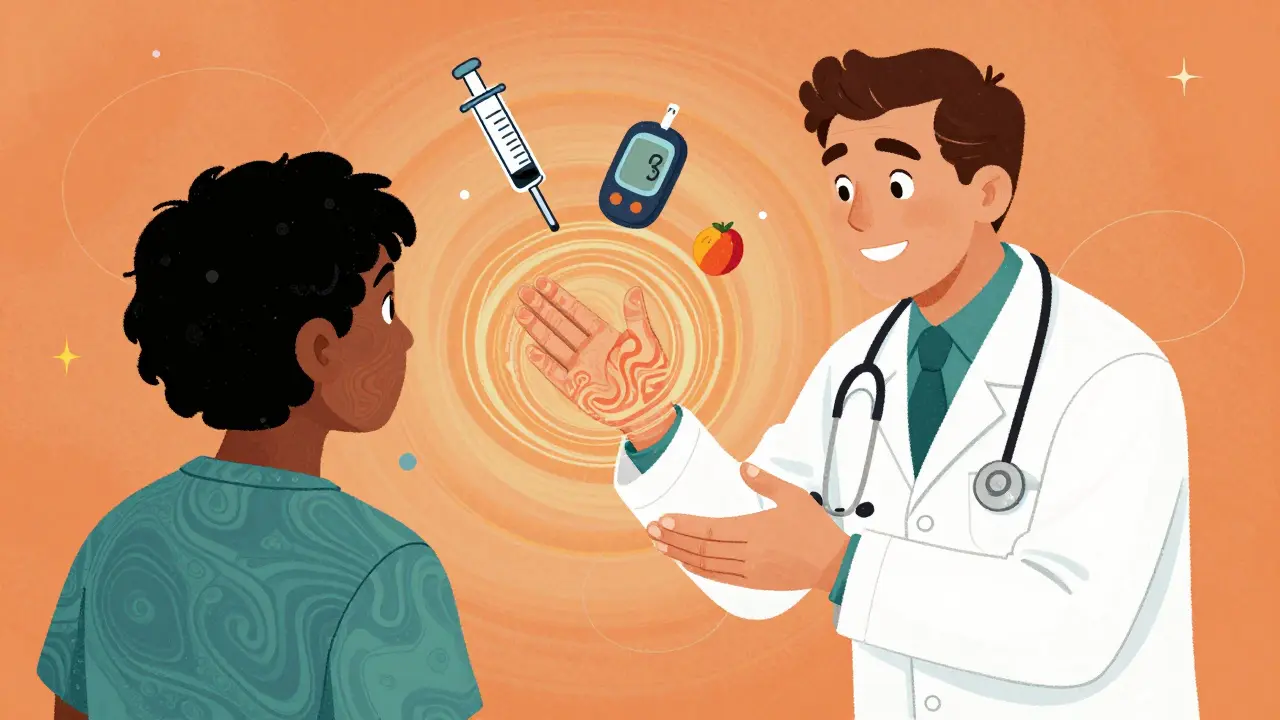
When teaching patients about their condition - whether it’s managing diabetes, understanding heart failure, or handling post-surgery care - the real question isn’t just whether they heard the information. It’s whether they understand it well enough to act on it. Too often, healthcare providers assume that handing out a pamphlet or giving a 10-minute explanation means the patient has learned. But understanding isn’t about memory. It’s about application. And measuring that? That’s where most programs fall short.
Why Generic Understanding Matters More Than Facts
Generic understanding means a patient can take what they learned and apply it to new situations. For example, someone with high blood pressure shouldn’t just memorize that their target is 120/80. They need to know how to adjust their salt intake when eating out, recognize symptoms of a spike, and understand why skipping meds for a few days could be dangerous. That’s not rote recall. That’s transferable knowledge.
Traditional methods - like asking, ‘Do you understand?’ - are useless. Patients say yes to avoid looking confused, to please the provider, or because they’re overwhelmed. A 2022 study from the University of Leeds found that 68% of patients who said they understood their discharge instructions later couldn’t correctly explain how to take their medications. That’s not patient error. That’s assessment failure.
Direct vs. Indirect Methods: What Actually Works
There are two main ways to measure learning: direct and indirect. Direct methods look at what the patient actually does. Indirect methods ask what they think they did. One works. The other just gives you a feeling.
Direct methods include:
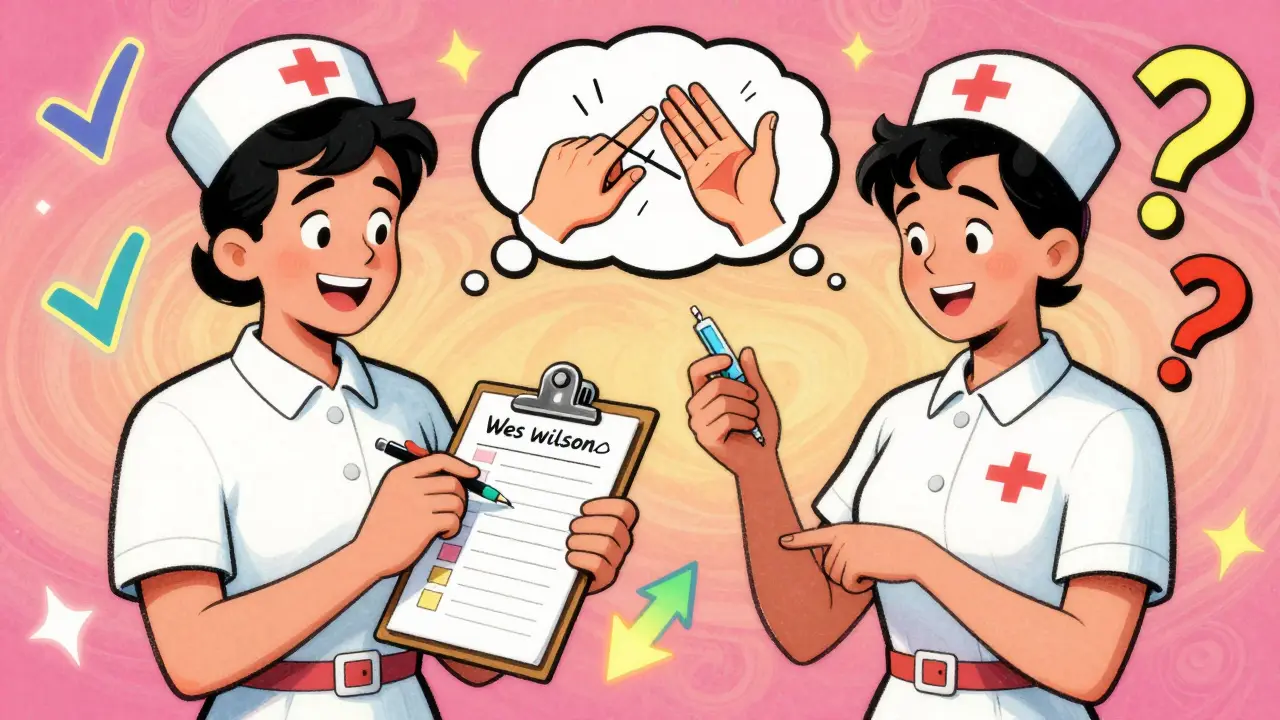
- Teach-back: Ask the patient to explain the instructions in their own words. If they can’t, you haven’t taught them - you’ve just talked.
- Role-play: Have them demonstrate how to use an inhaler, check blood sugar, or inject insulin. Watch their technique. A shaky hand or wrong angle tells you more than ten questions.
- Scenario questions: ‘What would you do if you felt dizzy after taking your pill?’ This tests decision-making, not memorization.
- Follow-up check-ins: A simple call 48 hours after discharge to ask what went well and what didn’t. Real data, not assumptions.
Indirect methods - like satisfaction surveys or post-visit questionnaires - are common but misleading. A patient might rate their education as ‘excellent’ while still not knowing when to call 999. These tools measure comfort, not competence. Use them only to support direct evidence, never as the main metric.
The Power of Formative Assessment in Patient Education
Most clinics treat education like a one-time event: ‘Here’s your info, go ahead.’ But learning isn’t a checkbox. It’s a process. That’s why formative assessment - ongoing, low-stakes feedback - is the most underused tool in patient care.
Think of it like a coach giving real-time tips during practice. In a diabetes education session, instead of ending with a handout, ask:
- ‘What’s the one thing you’re most worried about managing at home?’
- ‘Show me how you’d set your alarm to take your metformin.’
- ‘What would you do if your glucose was over 200 for two days in a row?’
These take 30 seconds. They reveal gaps before they become emergencies. A 2023 pilot in Leeds GP practices found that using three-question formative check-ins during consultations reduced hospital readmissions for chronic conditions by 31% over six months. Why? Because they caught misunderstandings early - like a patient thinking ‘no sugar’ meant ‘no fruit’ - and fixed them before they led to complications.
How Rubrics Turn Vague Feedback Into Action
Without structure, even good questions give messy answers. That’s where rubrics come in. A rubric is a simple scoring guide that defines what good understanding looks like. For example:
| Criteria | Not Yet | Developing | Proficient | Exemplary |
|---|---|---|---|---|
| Correct technique | Cannot identify injection site or angle | Identifies site but uses wrong angle | Uses correct site, angle, and pinch technique | Explains why pinch is needed and adjusts for body type |
| Timing awareness | Doesn’t know when to inject | Knows time but confuses meal vs. basal | Correctly times injection with meals | Adjusts timing based on activity or food type |
| Problem response | Doesn’t know what to do if glucose is low | Knows to eat sugar but not how much | Correctly treats low with 15g carbs and rechecks | Recognizes pattern and adjusts future dosing |
Using this, a nurse doesn’t just say ‘You did okay.’ They say: ‘You got the technique right, but you need to recheck your glucose 15 minutes after treating a low. Let’s practice that.’ Clear. Actionable. Repeatable.
Across 142 healthcare teams surveyed in the UK, 78% said rubrics made patient education more effective - not just because they improved outcomes, but because they gave staff confidence. No more guessing. Just clear evidence.
What Doesn’t Work - And Why
Some methods are still widely used, even though they don’t measure understanding at all.
- Multiple-choice quizzes: These test recognition, not application. ‘Which is a symptom of low blood sugar?’ doesn’t tell you if the patient will recognize it when they feel it.
- Written handouts: A 12-page PDF is not an assessment. It’s a burden. Patients forget. Or don’t read. Or can’t understand the language.
- Alumni surveys: Asking patients six months later if they ‘felt educated’ is like asking someone if they liked their driving lesson - not whether they passed their test.
- Norm-referenced comparisons: Saying ‘You’re better than 70% of patients’ tells you nothing about whether they can manage their own condition.
These methods are easy. But easy doesn’t mean effective. In fact, they often create a false sense of security.
What’s Changing - And What’s Coming
The healthcare world is starting to wake up. The NHS has begun piloting digital teach-back tools in several regions, where patients record themselves explaining their care plan on a tablet. AI then flags inconsistencies - like a patient saying ‘I take my pill with coffee’ when they shouldn’t. Early results show a 40% improvement in retention.
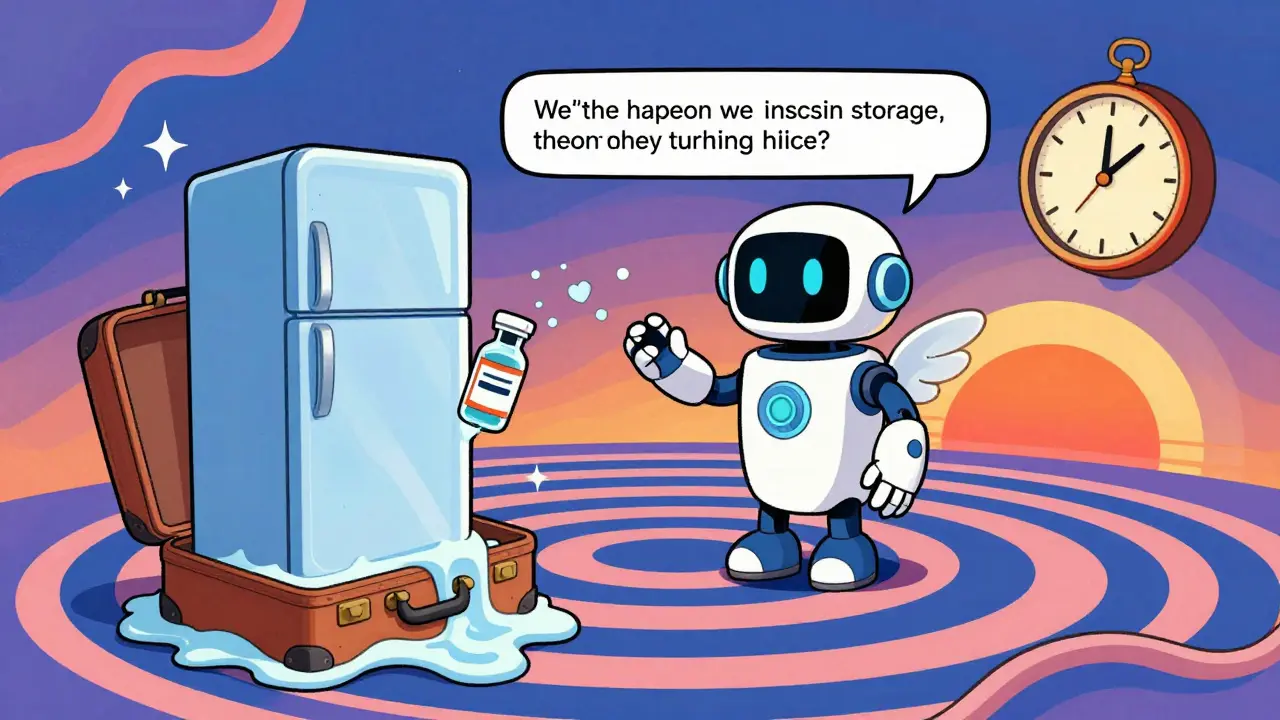
By 2027, AI-powered adaptive assessments could become standard. Imagine a chatbot that asks follow-up questions based on your answers: ‘You said you’ll check your glucose daily. What if you’re traveling? How will you store your insulin?’ It adapts in real time, just like a skilled educator.
But tech alone won’t fix this. The real shift is cultural. We need to stop treating education as a task and start treating it as a clinical intervention - one that requires planning, measurement, and adjustment.
Where to Start Today
You don’t need fancy tools. You need three habits:
- Replace ‘Do you understand?’ with ‘Can you show me?’ Always.
- Use a 3-question formative check-in at the end of every education session.
- Create a simple rubric for your top 3 most common conditions. Start small. One rubric is better than zero.
It’s not about adding more work. It’s about doing the work that matters. The goal isn’t to check a box. It’s to prevent a hospital stay. To avoid a complication. To give someone real control over their health.
That’s what tracking generic understanding really means.
How do I know if a patient truly understands their care plan?
Don’t ask if they understand. Ask them to explain it back in their own words - this is called teach-back. Then watch them do it. Can they demonstrate how to use their inhaler? Can they describe what to do if their symptoms get worse? If they can’t, they haven’t learned it yet. Real understanding shows in action, not in agreement.
Are patient surveys useful for measuring education effectiveness?
They’re helpful for spotting general satisfaction, but not for measuring actual learning. A patient might say they ‘felt well-informed’ while still not knowing how to take their meds correctly. Use surveys only as a secondary check - never as your main tool. Direct observation and demonstration are far more reliable.
What’s the difference between formative and summative assessment in patient education?
Formative assessment happens during learning - like asking questions mid-consultation to see if the patient gets it. Summative assessment happens at the end - like a final quiz or discharge checklist. Formative catches problems early. Summative just tells you if you failed. Use both, but focus on formative. It’s what prevents complications before they happen.
Can I use the same assessment methods for all patients?
No. A patient with low health literacy needs different tools than someone with a college degree. A non-native speaker might need visual aids or an interpreter. Older adults might need slower pacing and written reminders. Tailor your method to the person - not the protocol. Generic understanding means adapting the assessment to the learner, not forcing the learner to fit the assessment.
Why do so many clinics still rely on pamphlets and verbal explanations?
Because they’re fast and easy. But speed doesn’t equal effectiveness. Many providers are overworked and undertrained in assessment methods. There’s also a cultural belief that ‘telling’ equals ‘teaching.’ The shift to better methods takes time, training, and leadership support - but the payoff is fewer readmissions, fewer errors, and more confident patients.
Next Steps for Healthcare Teams
If you’re starting from scratch:
- Pick one common condition - say, hypertension or asthma.
- Create a three-point rubric for understanding it.
- Train staff to use teach-back and one formative check-in per visit.
- Track how many patients can correctly demonstrate their care plan after one session.
- Compare your results to last quarter’s readmission rates.
You don’t need a grant. You don’t need new software. You just need to stop assuming - and start observing.
Sam Pearlman
February 17, 2026 AT 04:27Steph Carr
February 18, 2026 AT 11:18Brenda K. Wolfgram Moore
February 19, 2026 AT 02:17Oliver Calvert
February 21, 2026 AT 00:54Kancharla Pavan
February 21, 2026 AT 10:20PRITAM BIJAPUR
February 22, 2026 AT 08:58Dennis Santarinala
February 24, 2026 AT 06:05Haley DeWitt
February 24, 2026 AT 13:26John Haberstroh
February 26, 2026 AT 05:37Logan Hawker
February 26, 2026 AT 20:21James Lloyd
February 28, 2026 AT 04:29Liam Earney
March 1, 2026 AT 11:28Linda Franchock
March 1, 2026 AT 23:11Prateek Nalwaya
March 2, 2026 AT 15:32Tony Shuman
March 2, 2026 AT 17:17