Pre-Medication Strategies: Antiemetics, Antihistamines, and Steroids for Safer Medical Procedures
Pre-Medication Timing Calculator
Procedure Type
Recommended Medication Schedule
Important: Steroids need time to work. Taking them too close to the procedure reduces effectiveness. Always follow your provider's specific instructions.
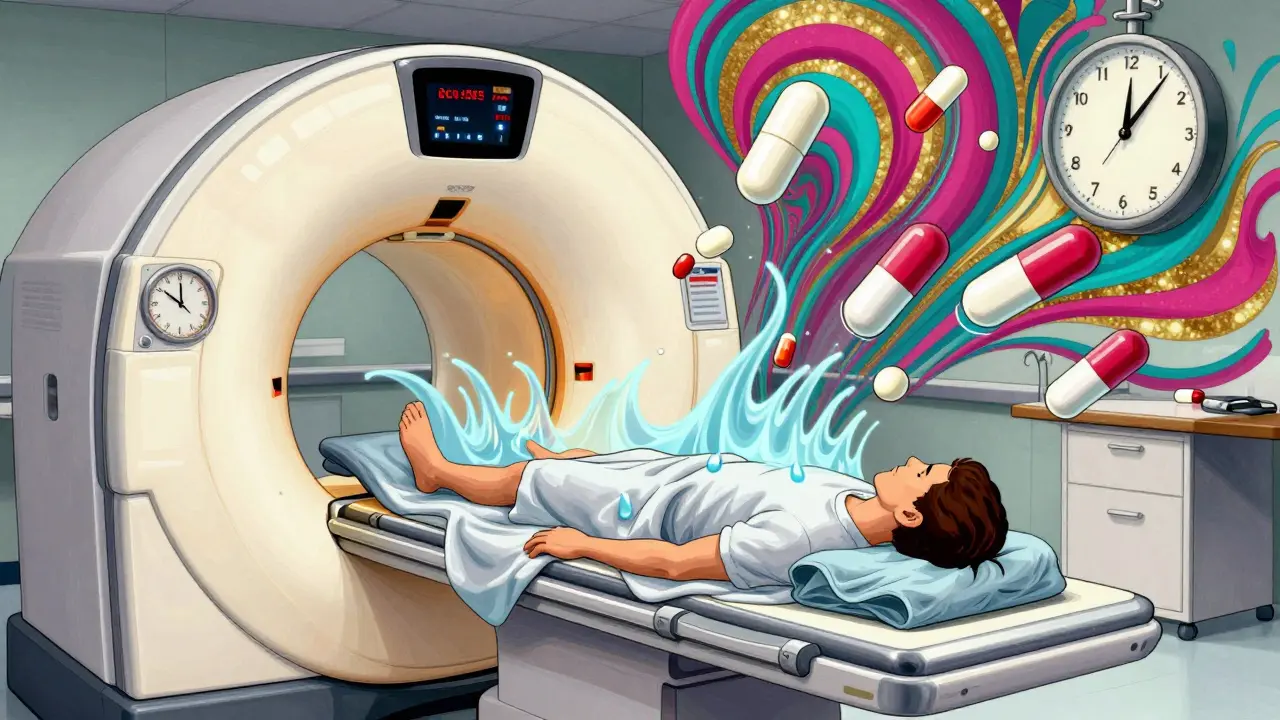
When you’re scheduled for a CT scan, MRI, or chemotherapy, the last thing you want is to feel sick, itchy, or have a dangerous reaction right after the procedure. That’s where pre-medication comes in. It’s not about treating symptoms after they happen-it’s about stopping them before they start. Doctors use specific combinations of antiemetics, antihistamines, and steroids to reduce the risk of allergic reactions, nausea, and vomiting. These aren’t random drugs thrown together. They’re carefully timed, dosed, and matched to your medical history and the procedure you’re having.
Why Pre-Medication Isn’t for Everyone
You might think everyone getting contrast dye or chemo should get these drugs ahead of time. But that’s not how it works. Giving medications to everyone increases side effects without helping most people. According to Yale Medicine’s 2023 guidelines, pre-medication is only recommended for patients who’ve had a prior reaction to contrast media or chemotherapy. If you’ve never had a problem, you likely don’t need it. This targeted approach cuts down on unnecessary drug exposure and reduces the chance of new side effects from the prevention drugs themselves.How Steroids Work in Pre-Medication
Steroids like prednisone, methylprednisolone, and hydrocortisone are the backbone of preventing allergic-type reactions to contrast dyes. They don’t work instantly. They need time to calm down your immune system’s overreaction. That’s why timing matters so much. For outpatient scans, the standard is 50mg of oral prednisone taken 13 hours, 7 hours, and 1 hour before the procedure. That’s a long lead time. If your scan is scheduled for 2 p.m., you need to take the first pill at 1 a.m. That’s tough for people who work, care for kids, or have trouble remembering pills. For emergency cases or inpatients, doctors use IV methylprednisolone (40mg) given 4 hours before. It works faster and doesn’t rely on the patient swallowing pills. Hydrocortisone (200mg IV) is the backup if methylprednisolone isn’t available. Pediatric doses are based on weight. Kids over 6 months get cetirizine or prednisolone at 0.7mg per kg (up to 50mg). Babies under 6 months get diphenhydramine at 1mg per kg, max 50mg. Getting the dose wrong can be dangerous, which is why many hospitals now use pre-loaded syringes and barcode scanning to prevent errors.Antihistamines: Old vs. New
Antihistamines block histamine, the chemical that causes itching, hives, and swelling during allergic reactions. There are two generations: first-gen (like diphenhydramine) and second-gen (like cetirizine). Diphenhydramine (Benadryl®) has been used for decades. It works well, but it makes you drowsy-up to 42.7% of adults report feeling sleepy after taking it, according to a 2021 JAMA Internal Medicine study. That’s a problem if you’re driving home after a scan or need to be alert. Cetirizine (Zyrtec®) is the modern choice. It’s just as effective at preventing reactions but causes drowsiness in only 15.3% of people. It’s also longer-lasting, so one dose often covers the whole procedure window. Most hospitals now prefer cetirizine for outpatients. For patients who can’t take oral meds, diphenhydramine is still given IV-usually 50mg, given within an hour of the contrast injection.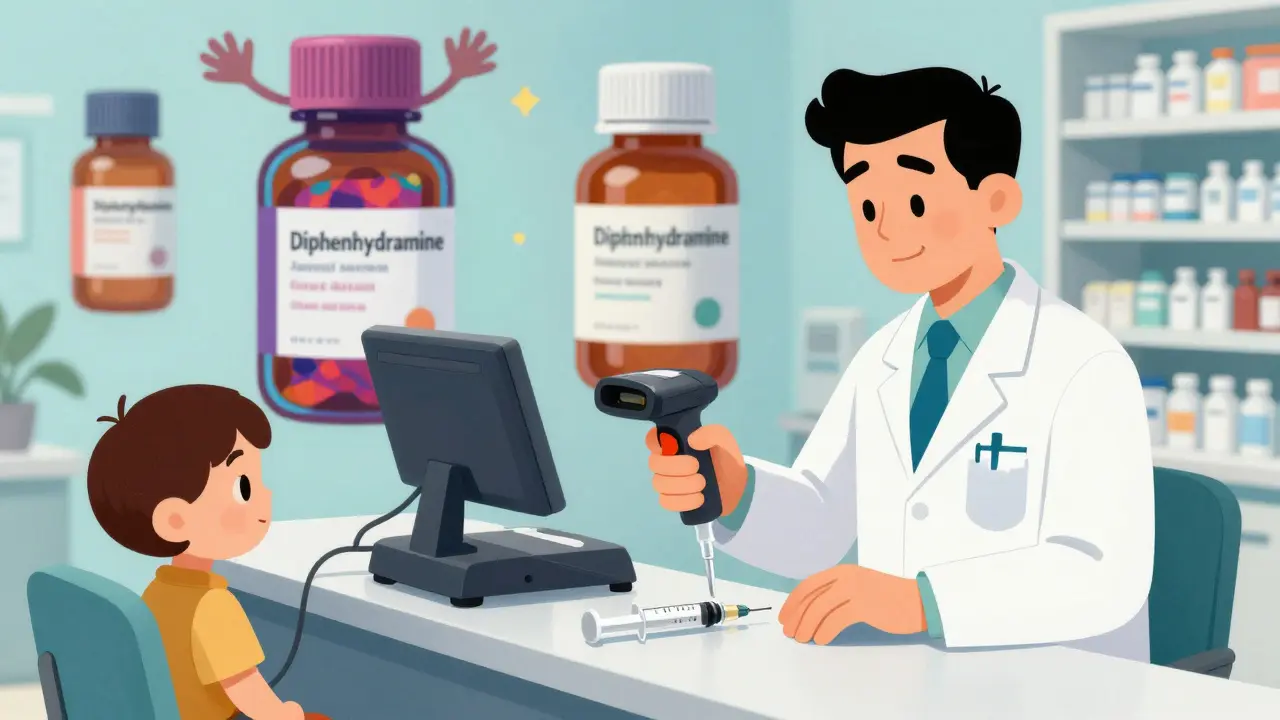
Antiemetics for Chemo Patients
If you’re getting chemotherapy, especially drugs like cisplatin or doxorubicin, nausea and vomiting are almost guaranteed without help. The old way was one antiemetic-maybe ondansetron-and hoping for the best. That didn’t cut it. Today’s standard is triple therapy: a 5-HT3 receptor blocker (like ondansetron), an NK1 receptor blocker (like aprepitant or fosnetupitant), and dexamethasone. This combo reduces acute nausea and vomiting to about 28.4% of cases, down from 56.7% with just two drugs, according to a 2023 meta-analysis in the Journal of Clinical Oncology. Complete response rates-meaning no nausea, no vomiting, no need for rescue meds-hit 70-80%. That’s a huge jump. The catch? These drugs are expensive. Aprepitant can cost hundreds of dollars per dose. But for high-risk patients, the cost is worth it. Fewer hospital visits, less dehydration, and better quality of life make it a net win. Nurses report that patients who get triple therapy are more likely to stick with their full chemo plan instead of skipping doses because they’re too sick.What Goes Wrong-And How to Fix It
Even with solid guidelines, mistakes happen. A 2022 ASHP survey found that 68.3% of hospitals had errors in premedication orders. Common problems:- Patients forget to take oral steroids 13 hours before the scan.
- Shift changes lead to missed doses or double doses.
- Dosing errors in kids because weight isn’t updated in the system.
- Wrong drug given-like giving diphenhydramine instead of cetirizine because it’s on the shelf.
- Electronic health records (EHR) with automated alerts that pop up when a high-risk patient is scheduled.
- Standardized order sets so doctors don’t have to type everything from scratch.
- Barcode scanning for every drug given-no exceptions.
- Pharmacist review of all premedication orders before administration.