Training Pharmacy Technicians: Mastering Generic Drug Competency Standards
When a patient walks into a pharmacy to pick up a prescription, they rarely think about who’s pulling the bottle off the shelf. But that person-the pharmacy technician-is the first line of defense against medication errors. And one of the most critical skills they need? Knowing generic drugs inside and out.
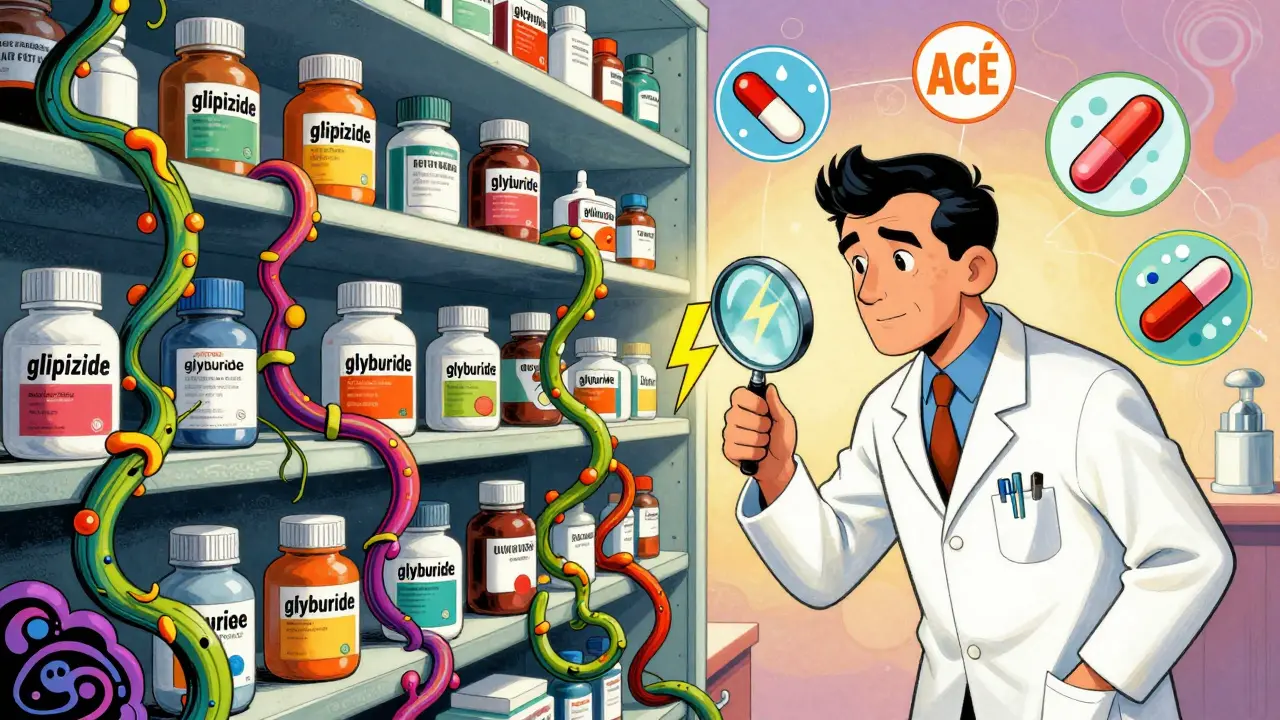
Over 90% of prescriptions filled in the U.S. are for generic medications. That’s not a trend-it’s the norm. Yet, many pharmacy technicians still struggle to confidently identify them. A 2023 study from the University of Utah found that technicians scoring below 70% on generic drug identification tests made 3.2 times more errors when processing prescriptions. That’s not just a numbers problem. It’s a safety problem. Mistakes like swapping hydroxyzine for hydralazine, or glipizide for glyburide, can lead to serious harm. And according to the Institute for Safe Medication Practices, generic-brand confusion contributes to 10-15% of medication errors that result in death.
What Exactly Are Generic Drug Competency Standards?
Generic drug competency standards are the official benchmarks that define what pharmacy technicians must know to work safely and legally. These aren’t suggestions. They’re requirements set by national organizations like the Pharmacy Technician Certification Board (PTCB), the American Society of Health-System Pharmacists (ASHP), and the Department of Veterans Affairs (VA).
The PTCB, which certifies over 400,000 pharmacy technicians, made a major shift in 2016 when it began requiring 16% of the certification exam to cover pharmacology-including generic drug names, brand names, and therapeutic classes. By 2026, that section will grow to 18% of the test. The exam now expects technicians to know the top 200 most commonly prescribed medications by both generic and brand names. That includes knowing their classifications (like beta-blockers or statins), strengths, dosage forms, and potential for therapeutic duplication.
The VA takes it even further. Under its VA-0661 qualification standard, technicians must demonstrate “expert understanding” of pharmaceutical nomenclature, especially for high-alert drugs like insulin, anticoagulants, and controlled substances. Starting in January 2025, VA pharmacy technicians must pass quarterly assessments with 90% accuracy on 100 randomly selected drugs from a list of 300 high-use medications.
Why This Matters More Than Ever
Generic drugs aren’t just cheaper-they’re the backbone of affordable healthcare. The FDA approves hundreds of new generics every year. In March 2025 alone, 17 new generic versions of popular drugs entered the market. But here’s the catch: every time a new generic appears, or a manufacturer changes its pill’s color or imprint, technicians must update their knowledge.
That’s why rote memorization isn’t enough. A 2023 study in the Journal of the American Pharmacists Association found that technicians who learned drugs by therapeutic class-like grouping all ACE inhibitors together-made 30% fewer errors than those who memorized lists. Understanding that lisinopril, enalapril, and ramipril all work the same way helps you catch a duplicate prescription even if you don’t remember every brand name.
And it’s not just about names. It’s about context. A technician who knows that metformin is a first-line treatment for type 2 diabetes can spot when a patient gets two prescriptions for the same drug from different doctors. That’s therapeutic duplication-and it’s preventable.
How Training Programs Are Adapting
Most pharmacy technician programs now follow the PTCB’s 2026 Knowledge Outline, which breaks down competency into clear areas:
- Identify generic and brand names of the top 200 drugs
- Classify drugs by therapeutic use (antibiotics, antihypertensives, etc.)
- Recognize look-alike/sound-alike drugs (e.g., Zyrtec vs. Zyprexa)
- Understand how to verify generic substitutions under state laws
- Know the difference between generics and biosimilars
Community colleges typically dedicate 35-40 hours of their 1,200-hour training program to drug identification. Hospitals often go deeper, especially for technicians working with IV medications or in critical care. ASHP’s 2023 Model Curriculum requires technicians to know not just names, but also why certain drugs are used together-and which combinations are dangerous.
Some programs are ditching flashcards for more dynamic tools. Walmart, for example, rolled out an AI-powered training system in 2024 that simulates real-world dispensing scenarios. New technicians now learn drug names through interactive quizzes that adapt based on their mistakes. The result? A 35% drop in onboarding time and a 22% increase in accuracy scores.
What Technicians Are Saying
On Reddit’s r/pharmacytech, one user wrote: “I failed the PTCB twice because I couldn’t tell apart generic names. Then I started grouping drugs by color and shape-like how metoprolol is a small white oval, and hydrochlorothiazide is a blue capsule. It clicked.” That technique, called visual imprint learning, is now used by 68% of technicians who passed their exam on the first try, according to a Pharmacy Times poll.
But it’s not easy. A 2024 survey by the Pharmacy Technician Guild found that 78% of technicians said generic drug identification was the hardest part of their exam prep. Many spent 40-60 hours just memorizing names. And the pressure doesn’t stop after certification. Over half reported that at least five drugs they studied changed manufacturers or names within 18 months.
“I learned glipizide last year,” one hospital tech posted in an ASHP forum. “This January, the manufacturer switched the imprint from ‘G 10’ to ‘G 11.’ I almost pulled the wrong bottle. I had to relearn it.”
Regional Differences and Challenges
Not all states require the same level of knowledge. California demands mastery of 180 specific drugs. Texas only requires 120. That creates problems for technicians who move across state lines. The PTCB’s cross-state analysis in 2024 found that 41% of technicians who relocated had to retake portions of their certification because their previous training didn’t meet the new state’s standards.
Some states are trying to fix this. Minnesota now requires technicians to understand formularies and the legal process for generic substitution. Utah mandates that technicians be able to physically locate drugs by therapeutic class on the pharmacy shelf. These are practical, hands-on skills-not just test questions.
Meanwhile, community pharmacies lag behind hospitals. Only 76% of independent pharmacies have formal generic drug training programs, compared to 92% of hospital pharmacies. Many still rely on outdated pocket guides updated only once a year-even though new generics appear every few weeks.
Technology Can Help, But It Can’t Replace Knowledge
Barcode scanning, automated dispensing systems, and AI alerts have reduced generic substitution errors by up to 89% in hospitals, according to a Johns Hopkins study. But technology fails. A barcode might be smudged. A system might misread a label. A new generic might not be in the database yet.
That’s why technicians still need to recognize a pill by its imprint, color, and shape. When the system goes down, they’re the backup. And when a patient asks, “Is this the same as my last pill?”-they need to answer confidently, without pulling up a screen.
The Future of Generic Drug Competency
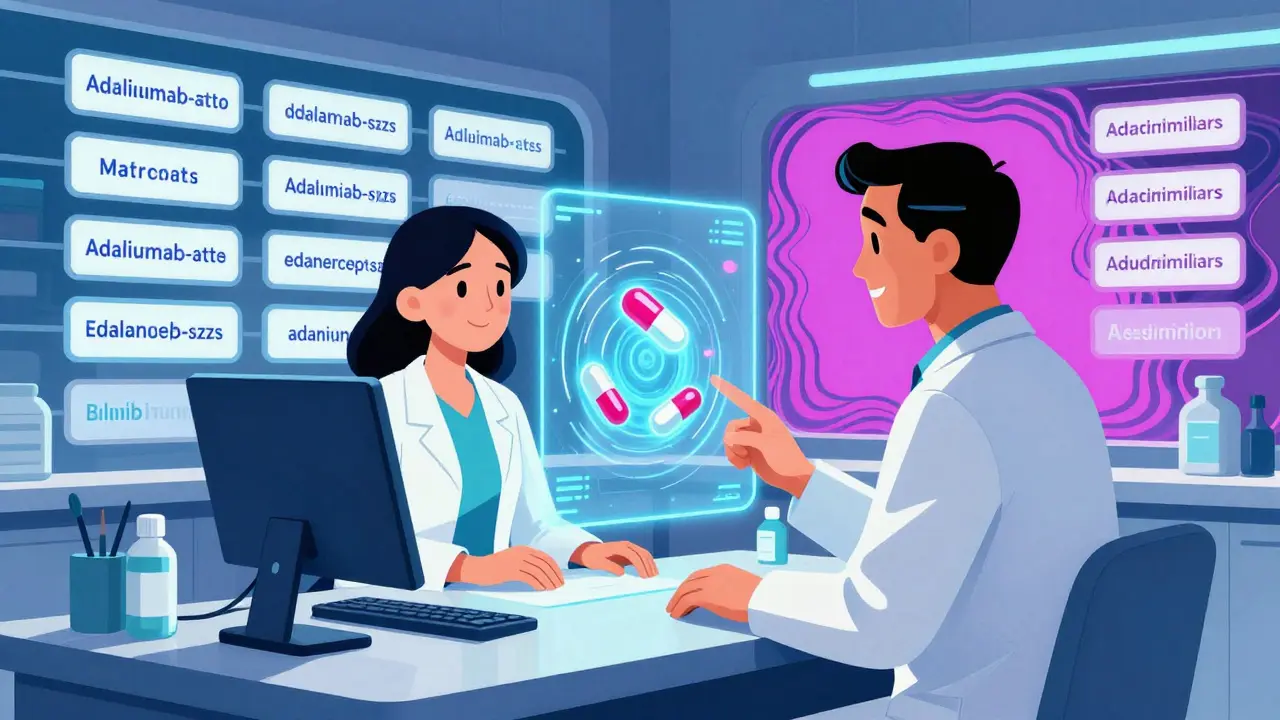
The next big shift is coming: biosimilars. Since 2015, the FDA has approved 25 biosimilars-complex, biologic drugs that mimic brand-name treatments like Humira or Enbrel. Their names are longer and more confusing (think “adalimumab-atto” or “etanercept-szzs”). The ASHP’s 2025 curriculum now includes biosimilar naming conventions as a required competency.
Long-term, experts predict pharmacy technicians will need to understand pharmacogenomics-the idea that some generics work differently based on a patient’s genes. By 2030, 67% of pharmacy educators believe this will become part of basic training.
But for now, the priority is simple: know your drugs. Master the top 200. Learn the classes. Understand the risks. Use visual cues. Stay updated. The tools will change. The drugs will change. But the need for skilled, knowledgeable technicians won’t.
Because when it comes to medication safety, there’s no app that can replace a trained mind.
Why do pharmacy technicians need to know generic drug names?
Pharmacy technicians must know generic drug names because over 90% of prescriptions in the U.S. are for generics. Mistaking one generic for another-or confusing it with a brand-name drug-can lead to dangerous errors like therapeutic duplication or incorrect dosing. Knowing generic names ensures accurate dispensing, proper substitution under state laws, and safer patient outcomes.
What is the PTCB’s requirement for generic drug knowledge?
As of the 2026 exam cycle, the PTCB requires pharmacy technicians to demonstrate proficiency in identifying the generic and brand names of the top 200 most commonly prescribed medications. This knowledge makes up 18% of the certification exam and includes drug classifications, strengths, dosage forms, and awareness of therapeutic duplications.
How many drugs should a pharmacy technician memorize?
Most certification programs, including PTCB, focus on the top 200 drugs. Some employers, like the VA, require knowledge of 300 high-use medications. The National Healthcareer Association’s ExCPT exam covers about 150. The key isn’t just memorizing lists-it’s understanding how these drugs are grouped by therapeutic class to prevent errors.
Are there tools to help learn generic drug names?
Yes. Many technicians use flashcards, drug classification charts, and mobile apps like RxTechExam or PTCBTestPrep. Visual learners benefit from associating drugs with pill color, shape, and imprint. AI-powered training systems, like the one used by Walmart, simulate real dispensing scenarios to reinforce learning. Hospitals often use digital reference guides updated quarterly.
What are look-alike/sound-alike drugs?
Look-alike/sound-alike drugs are medications with similar names or appearances that can be easily confused. Examples include hydroxyzine (an antihistamine) and hydralazine (a blood pressure drug), or glipizide and glyburide (both diabetes meds). The Institute for Safe Medication Practices lists 37 high-risk pairs that have caused serious errors. Technicians must learn to double-check these and use independent verification methods.
How often do generic drug names change?
Generic drug manufacturers change pill imprints, colors, or packaging regularly-sometimes to distinguish between batches or due to new FDA guidelines. About 15-20 new generic drugs enter the market each month. Around 57% of technicians report that at least five drugs they learned during training changed within 18 months of certification. Continuous learning is essential.
Do all states have the same generic drug standards?
No. While all 50 states require pharmacy technicians to demonstrate generic drug knowledge, the specific requirements vary. California requires knowledge of 180 drugs, Texas requires 120, and some states like Minnesota emphasize formulary understanding over memorization. This creates challenges for technicians who relocate. The PTCB certification is accepted in 32 states as a standard, but local regulations may add additional requirements.
What Comes Next for Pharmacy Technicians?
The job is changing. It’s no longer just about counting pills. It’s about understanding why a drug is prescribed, how it interacts with others, and whether a patient is getting the right version. As pharmacies move toward medication therapy management, technicians are expected to support clinical decisions-not just fill orders.
That means the days of memorizing lists are fading. The future belongs to those who understand drug classes, recognize patterns, and adapt quickly. It’s not about knowing every drug. It’s about knowing how to find the right one-and why it matters.
Jeane Hendrix
January 5, 2026 AT 22:33So many techs I know just memorize flashcards and crash on the exam. I started grouping by therapeutic class and it changed everything-like, all the statins are ‘-vastatin’, all the ACE inhibitors are ‘-pril’. Suddenly it’s not random, it’s a system. Also, pill shape matters more than you think. That blue oval? Hydrochlorothiazide. White round? Metformin. Visual cues saved my butt.
Rachel Wermager
January 7, 2026 AT 17:45Let’s be real-PTCB’s 2026 outline is still woefully inadequate. If you’re not drilling the top 300, including biosimilars and high-alert meds like insulin and heparin, you’re just delaying a catastrophe. And don’t even get me started on how some states still only require 120 drugs. Texas? That’s not competency, that’s negligence.
Tom Swinton
January 8, 2026 AT 07:49I’ve been training techs for 12 years, and I’ve seen it all-from the ones who cry over glipizide vs. glyburide to the ones who nail it because they color-code their flashcards. The key isn’t how many hours you put in, it’s how you think about the drugs. Are you memorizing? Or are you building a mental map? If you group by mechanism, you don’t just remember names-you predict interactions. And that’s what keeps patients safe. I’ve had techs tell me they passed on the first try after just 3 weeks of this method. It’s not magic. It’s structure.
Leonard Shit
January 10, 2026 AT 03:06the system fails. always. i once had a barcode scan fail on a new generic lisinopril-color changed, imprint changed, and the database hadn't updated. i had to look at the pill. and i knew it. because i didn't just memorize. i paid attention. techs who rely only on machines? they're one glitch away from killing someone. just saying.
Saylor Frye
January 10, 2026 AT 23:35Wow. So we’re now requiring pharmacy techs to be pharmacists-lite? Next they’ll want us to interpret ECGs and adjust warfarin doses. This is credential inflation wrapped in safety rhetoric. The job’s to count pills and verify labels-not become pharmacognosy experts.
Katie Schoen
January 11, 2026 AT 05:09Y’all are overcomplicating it. I used to fail every quiz until I started using the pill images on Drugs.com and matching them to real bottles. Took me 2 weeks. Now I can spot a fake glipizide from across the counter. Also, the color thing? Real. Blue = HCTZ. White = metformin. Yellow = glimepiride. It’s dumb, but it works. Don’t overthink it.
Tiffany Adjei - Opong
January 11, 2026 AT 21:16Let’s call this what it is: corporate control. PTCB and ASHP aren’t trying to improve safety-they’re trying to justify their $100 certification fees and keep techs dependent on them. Meanwhile, real-world pharmacies use barcode scanners and AI. Who cares if you know what ‘-pril’ means? The machine tells you. This is just gatekeeping disguised as education.
Lily Lilyy
January 12, 2026 AT 09:47Every technician who takes this seriously is a hero. They are the quiet guardians of our health. When we are scared, confused, or in pain, they are the ones who make sure we get the right medicine. This is not just a job. It is a calling. And we should honor them with better training, better pay, and better respect.
Mukesh Pareek
January 12, 2026 AT 22:25In India, we train pharmacy assistants to recognize 500+ drugs by imprint, color, and manufacturer. You think 200 is hard? Try learning 300 Indian generics with 5 different manufacturers per drug, all with different imprints, and no digital database. You learn fast-or you kill someone. Your system is soft. Your standards are lazy.
Ashley S
January 14, 2026 AT 05:05Why are we even doing this? I’ve worked at three pharmacies and never once had a patient die from a generic mix-up. This is fear-mongering dressed up as professionalism. Next they’ll make us learn Latin and write prescriptions.
Gabrielle Panchev
January 14, 2026 AT 17:20Wait-so now we’re saying that if a technician doesn’t know that ‘-vastatin’ means statin, they’re a danger to society? But we’re okay with pharmacists who can’t explain why a patient’s blood pressure is still high? Or that the new generic metformin has a different absorption profile? Why is the burden always on the tech? Why not fix the system? Why not make the labels clearer? Why not standardize pill colors? Why does everything always come down to ‘just memorize more’?
Katelyn Slack
January 15, 2026 AT 10:46i just wanted to say… i used to be terrified of the ptcb exam. then i started using a free app that shows real pill photos. i’d quiz myself during lunch. 3 months later, i passed. no magic. just consistency. and yeah, the blue capsule is hctz. i’ll never forget that. thank you for writing this.
Melanie Clark
January 16, 2026 AT 11:43They’re lying about the 90% generic stat. Big Pharma pushes generics only when patents expire so they can keep profiting under a new name. And the VA’s 90% accuracy rule? That’s a trap. They want you to burn out. I’ve seen techs quit because they’re terrified of making a mistake. This isn’t safety-it’s psychological warfare. And don’t even get me started on how they change imprints just to make you doubt yourself. It’s a control tactic.
Harshit Kansal
January 17, 2026 AT 11:50My cousin is a tech in Chicago. She said the real issue isn’t memorizing names-it’s that pharmacies don’t update their drug databases for months. She learned a new generic last month, and the system still showed the old one. She had to manually override it. No one checks. No one cares. The techs are left holding the bag.