Vestibular Migraine: How to Manage Dizziness and Headaches Effectively
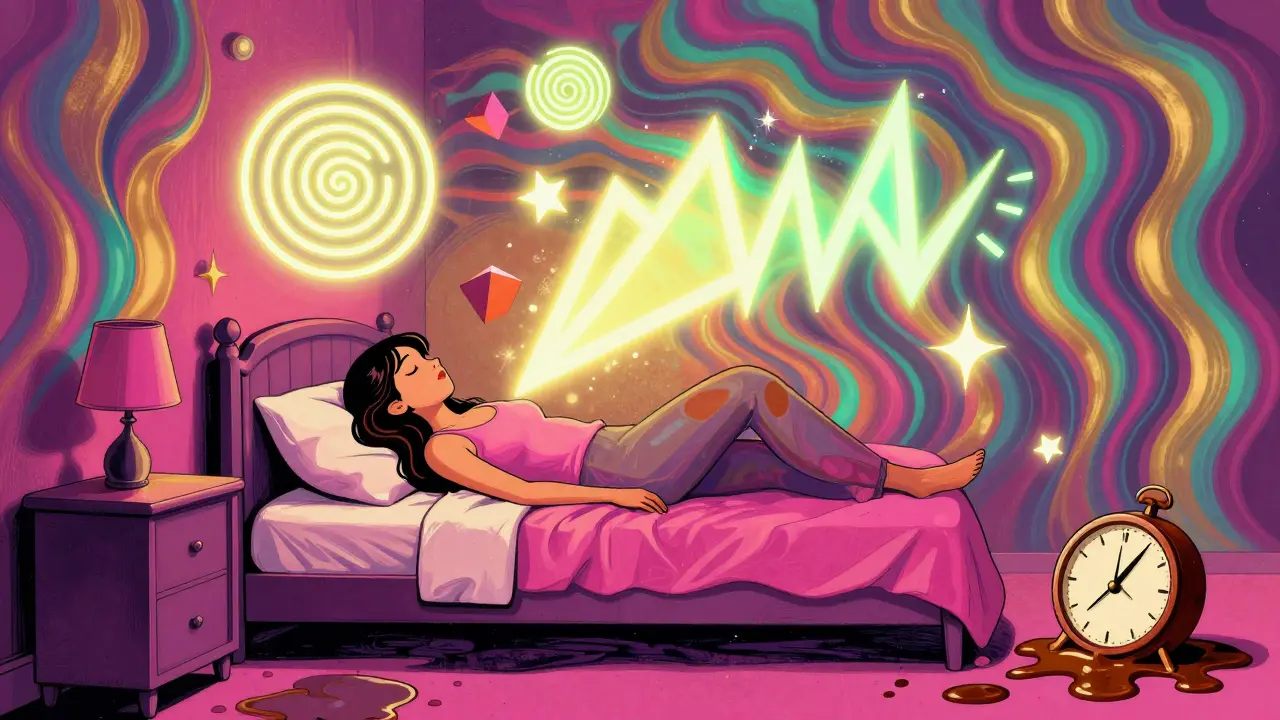
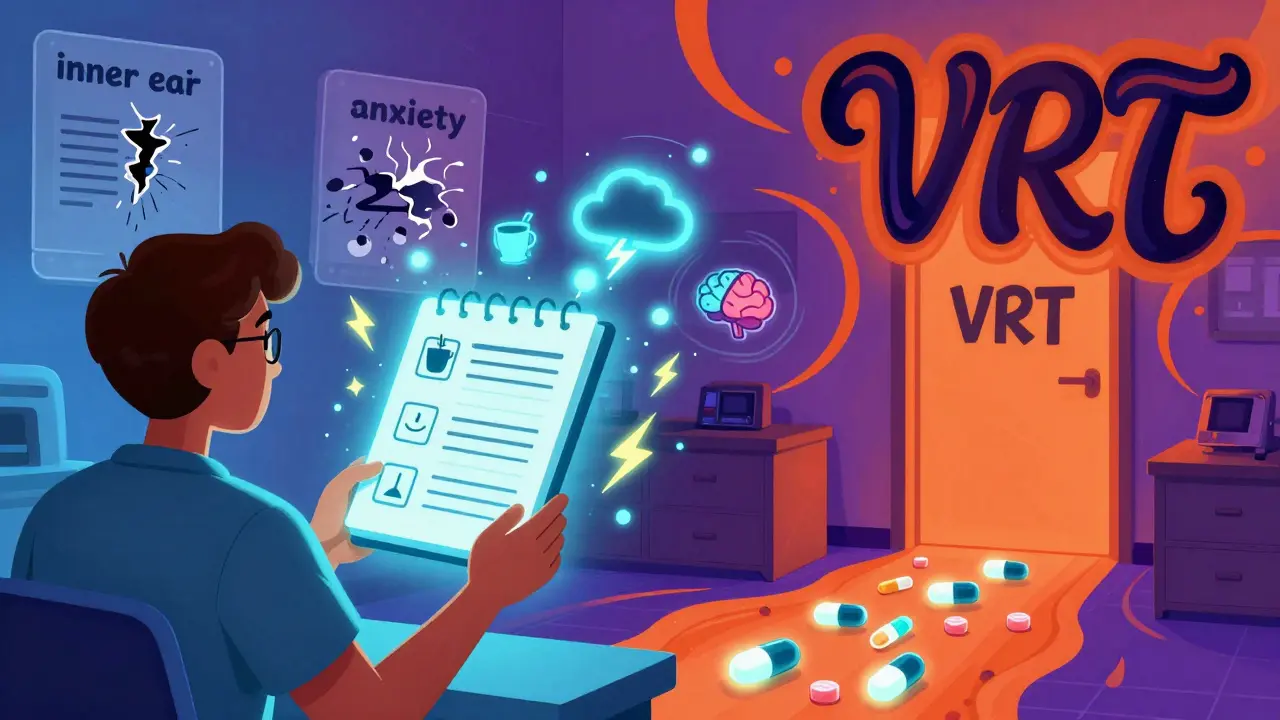
When you feel like the room is spinning, your head is pounding, and even the sound of a door closing feels too loud, you might be dealing with vestibular migraine. It’s not just a bad headache. It’s a full-body experience - nausea, imbalance, sensitivity to light and noise, and a dizzy spell that can last hours or even days. And here’s the catch: you might not even have a headache during the attack. That’s why so many people are misdiagnosed for years, told they have inner ear problems or anxiety, when the real culprit is their brain’s wiring.
What Exactly Is Vestibular Migraine?
Vestibular migraine is a neurological condition where migraine triggers affect the parts of your brain that control balance and spatial orientation. It’s not an ear problem. It’s a brain problem. The International Classification of Headache Disorders officially recognized it in 2013, but many doctors still don’t know how to spot it. About 1% of people have it, and women are nearly four times more likely to be affected than men.
Episodes can include:
- Spinning or floating sensations (vertigo)
- Unsteadiness or trouble walking in a straight line
- Headache (but not always)
- Sensitivity to bright lights or loud sounds
- Visual disturbances like flashing lights or blind spots
- Nausea and vomiting
Attacks can last anywhere from five minutes to three days. Some people get them once a year. Others have them every week. What makes it tricky is that the same person might have an attack with a terrible headache one time, and just pure dizziness the next. That’s why it’s so often mistaken for other conditions like BPPV (a simple inner ear crystal issue) or Ménière’s disease.
Why Diagnosis Takes So Long
The average person waits over 11 months to get a correct diagnosis. Many see three or more doctors - an ENT, a neurologist, a physical therapist - before someone puts the pieces together. Why? Because there’s no blood test, no scan, no X-ray that confirms vestibular migraine. Diagnosis is based on your story.
To be diagnosed, you need:
- At least five episodes of moderate to severe vertigo lasting 5 minutes to 72 hours
- A history of migraine (with or without aura)
- At least half of your vertigo episodes come with typical migraine symptoms - like light/sound sensitivity, nausea, or headache
Doctors rule out other causes first - tumors, strokes, infections, inner ear disorders. That’s why a detailed symptom diary is your best tool. Write down:
- When the attack happened
- How long it lasted
- What you were doing before it started
- What made it better or worse
After a few weeks, patterns emerge. Maybe every attack happens after skipping breakfast. Or after a night of poor sleep. Or during a weather change. That’s your clue.
What Triggers Vestibular Migraine Attacks?
Triggers aren’t the same for everyone, but research shows some are common:
- Stress - reported by 82% of patients
- Sleep disruption - 76%
- Weather changes - 68%
- Caffeine - 54%
- Alcohol - 49%
- Aged cheeses, processed meats, MSG - 38%
Surprisingly, caffeine can be both a trigger and a treatment. For some, skipping coffee leads to attacks. For others, too much triggers them. The key is consistency. Don’t go from zero to three coffees in one day. Don’t binge on energy drinks after a week of none.
Other triggers include hormonal changes (especially around menstruation), dehydration, and strong smells like perfume or cleaning products. Keep a diary for at least six weeks. You’ll start seeing what your body reacts to.
How to Treat Acute Attacks
When an attack hits, your goal is to stop it fast - or at least make it bearable. Treatment depends on whether you’re mainly dealing with dizziness or headache.
For Headache Symptoms:
- Triptans like sumatriptan (50-100 mg) work for about 70% of people within two hours. They’re most effective if taken early.
- NSAIDs like ibuprofen (400-800 mg) or naproxen (500-850 mg) help about half the people. Good for mild cases.
For Dizziness and Nausea:
- Prochlorperazine (5-10 mg) reduces vertigo in 68% of cases within two hours. Available as a tablet or suppository.
- Ondansetron (4-8 mg) controls nausea better than most anti-nausea meds. Used by 75% of patients with success.
- Domperidone (10-20 mg) is another option if ondansetron doesn’t work.
- Benzodiazepines like lorazepam or diazepam can calm the brain during severe attacks, but they’re not for long-term use. Risk of dependence is real.
Also, don’t underestimate simple stuff:
- Rest in a dark, quiet room - cuts symptom severity by 35%
- Drink 2 liters of water during an attack - dehydration worsens everything
- Put a cold compress on your neck or forehead - helps some people
Preventing Attacks Before They Start
If you’re having more than four attacks a month, it’s time to think about prevention. The goal isn’t to never have another attack - it’s to make them less frequent, less severe, and easier to handle.
Medications That Work:
- Propranolol (40-160 mg daily) - a beta-blocker. 62% of patients cut their attacks in half.
- Metoprolol (50-200 mg daily) - similar to propranolol, often better tolerated.
- Amitriptyline (10-75 mg at night) - a tricyclic antidepressant. 40-60% effectiveness. Side effects: drowsiness, dry mouth. Many quit because of this.
- Topiramate (25-100 mg daily) - an antiseizure drug. 54% of users had over 50% fewer attacks. But it can cause brain fog, tingling, and weight loss.
- Verapamil (120-240 mg daily) - a calcium channel blocker. Good for people who can’t take beta-blockers.
- Flunarizine (5-10 mg daily) - not available in the U.S., but widely used in Europe. 47% of patients respond better than placebo.
Some people try multiple drugs before finding one that works. It’s not a failure if the first one doesn’t help. It’s normal.
Supplements That Help:
- Magnesium (600 mg daily) - helps regulate nerve signals. Low magnesium levels are common in migraine patients.
- Riboflavin (B2) (400 mg daily) - supports energy production in brain cells.
- Coenzyme Q10 (300 mg daily) - reduces attack frequency by 30-40% in studies.
These take 2-3 months to show results. No side effects. Worth trying before jumping to prescription meds.
What Doesn’t Work (and Why):
Many people get treated for the wrong thing:
- Diuretics (like hydrochlorothiazide) - used for Ménière’s disease. Only 20% effective for vestibular migraine.
- Corticosteroids - used for vestibular neuritis. Only 30% help here.
- Long-term benzodiazepines - can make your balance worse over time by slowing brain recovery.
- Butterbur - once popular, but banned in many countries due to liver damage risk.
Treating vestibular migraine like an ear infection or stress reaction won’t fix it. You need migraine-specific care.
Vestibular Rehabilitation Therapy (VRT)
This is the most underused tool in vestibular migraine treatment. VRT isn’t just balance exercises. It’s brain retraining.
When you have repeated vertigo, your brain starts avoiding movement. You stop turning your head. You avoid walking in crowds. Your balance system gets lazy. VRT teaches your brain to trust your senses again.
Studies show:
- 40-60% improvement in dizziness scores after 8-12 weeks
- 78% of patients report over 50% symptom reduction after 12 sessions
Therapy includes:
- Gaze stabilization (keeping eyes focused while moving your head)
- Habituation exercises (repeated exposure to triggers like spinning or scrolling)
- Balance retraining (standing on one foot, walking heel-to-toe)
You do these exercises daily at home. A physical therapist shows you how to start - then you keep going. It’s not glamorous, but it changes lives.

What Works Best Together
The most successful patients use a mix of strategies:
- Trigger avoidance (sleep, caffeine, stress)
- Supplements (magnesium, B2, CoQ10)
- Preventive medication (propranolol or amitriptyline)
- Vestibular rehab (daily exercises)
- Acute meds (sumatriptan or prochlorperazine) for flare-ups
One patient in Leeds started with monthly attacks. After six months of this combo, she went from 8 attacks to 1. She still gets a headache sometimes - but no more spinning. No more missed work. No more fear of leaving the house.
Success isn’t about being 100% symptom-free. It’s about getting your life back.
What’s New in 2026
There’s real progress. In 2023, the FDA approved atogepant, a new preventive pill that reduced vertigo days by 56% in VM patients. Another drug, rimegepant, showed 49% fewer vertigo days in trials.
Researchers are also looking at genetic markers. If you have a CACNA1A gene mutation (found in about 25% of families with VM), you’re more likely to respond well to calcium channel blockers like verapamil.
Non-invasive devices like gammaCore (a handheld vagus nerve stimulator) are now being used in clinics. In one trial, users saw 45% fewer vertigo attacks.
And the biggest hope? Diagnostic tools. A new test called VEMPs (vestibular-evoked myogenic potentials) can detect VM with 82% accuracy. Soon, a simple ear test might replace years of guesswork.
Final Thoughts: You’re Not Alone
Vestibular migraine is invisible. No one can see your dizziness. No scan proves it. That’s why so many feel like they’re crazy. But you’re not. You’re one of over a million people in the U.S. alone, and millions more worldwide.
It takes time. You might try three meds before one sticks. You might miss work. You might feel frustrated. But treatment works - if you stick with it. Find a neurologist who specializes in headaches. Get a referral for vestibular rehab. Start your symptom diary today.
You don’t have to live in fear of the next attack. There’s a path forward. It’s not easy. But it’s possible.
Can vestibular migraine go away on its own?
Sometimes, yes - especially if attacks are infrequent and triggered by temporary factors like stress or sleep loss. But for most people, it’s a chronic condition that needs active management. Left untreated, attacks can become more frequent and harder to control. Early intervention improves long-term outcomes.
Is vestibular migraine the same as vertigo?
No. Vertigo is a symptom - a feeling of spinning. Vestibular migraine is a diagnosis that includes vertigo as one of its main symptoms, along with migraine features like light sensitivity, headache, or aura. Many conditions cause vertigo (BPPV, inner ear infections), but only vestibular migraine links it directly to migraine biology.
Can I take triptans if I don’t have a headache?
Yes. Triptans target the brain’s migraine pathway, not just the pain. If you’re having a vestibular migraine attack without headache, triptans can still reduce dizziness and nausea in many cases. They’re not just for head pain.
Are there foods I should avoid?
Common triggers include caffeine, alcohol, aged cheeses, processed meats with nitrates, MSG, and artificial sweeteners. But triggers vary. Keep a food and symptom diary for 6-8 weeks to find your personal list. Don’t eliminate everything at once - that’s overwhelming. Tackle one at a time.
How long does vestibular rehabilitation take to work?
Most people notice improvement after 4-6 weeks of daily exercises. Full benefits - like better balance, less fear of movement, and fewer attacks - usually take 8-12 weeks. Consistency matters more than intensity. Do 10 minutes a day, every day, even if you feel fine.
Can stress cause vestibular migraine?
Stress doesn’t cause it, but it’s the #1 trigger. When you’re stressed, your brain becomes more sensitive to signals that trigger migraine. Managing stress with sleep, breathing techniques, or therapy doesn’t cure VM - but it cuts attack frequency by up to 40% in many patients.
Will I need to take medication forever?
Not necessarily. Many people reduce or stop preventives after 6-12 months of being attack-free, especially if they’ve made lifestyle changes and done vestibular rehab. But some need long-term treatment. It depends on your triggers, genetics, and how your brain responds. Never stop meds abruptly - talk to your doctor first.
Lydia H.
January 19, 2026 AT 20:57Also, the part about caffeine being both trigger and treatment? So true. I quit coffee cold turkey and crashed. Now I have one cup at 8am, every day. No exceptions.
sujit paul
January 20, 2026 AT 20:14Phil Hillson
January 22, 2026 AT 10:20Josh Kenna
January 23, 2026 AT 03:36Lewis Yeaple
January 24, 2026 AT 14:33Jackson Doughart
January 25, 2026 AT 21:11This post? It felt like someone finally held up a mirror. The part about not needing a headache to have a vestibular migraine? That’s the moment I stopped feeling crazy.
I’m on amitriptyline now. It makes me groggy, but I can hold my grandkids again. I do my VRT every morning before coffee. And I still keep that stupid diary. I’m not cured. But I’m not broken anymore.
Malikah Rajap
January 26, 2026 AT 01:05Tracy Howard
January 28, 2026 AT 00:34Jake Rudin
January 29, 2026 AT 04:14